Cardinal Parolin: Vatican will not participate in U.S.-led Board of Peace for Gaza
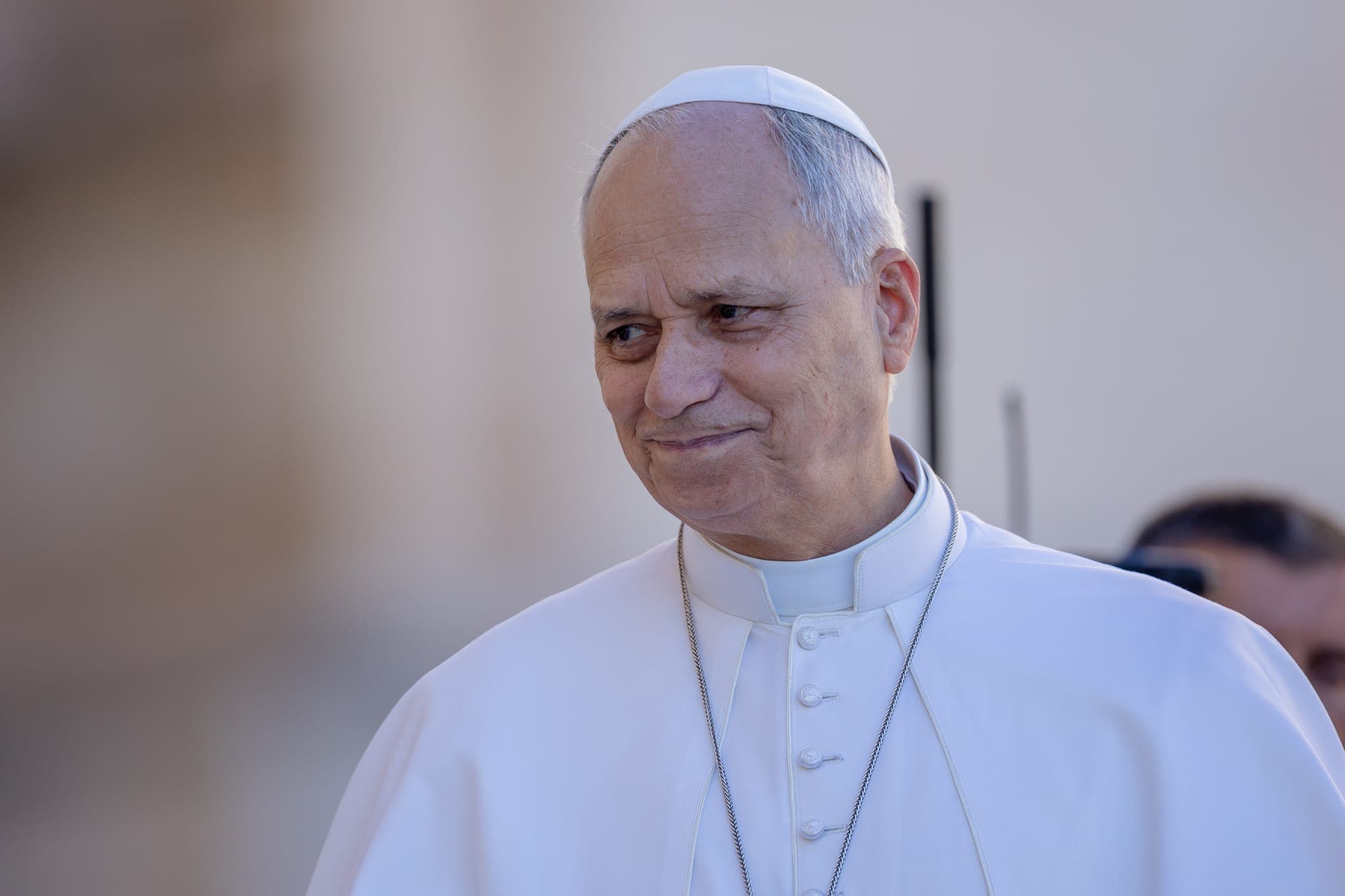
The Holy See will not join the U.S.-led Board of Peace, Vatican Secretary of State Cardinal Pietro Parolin announced Feb. 17, citing the Vatican’s unique diplomatic role.

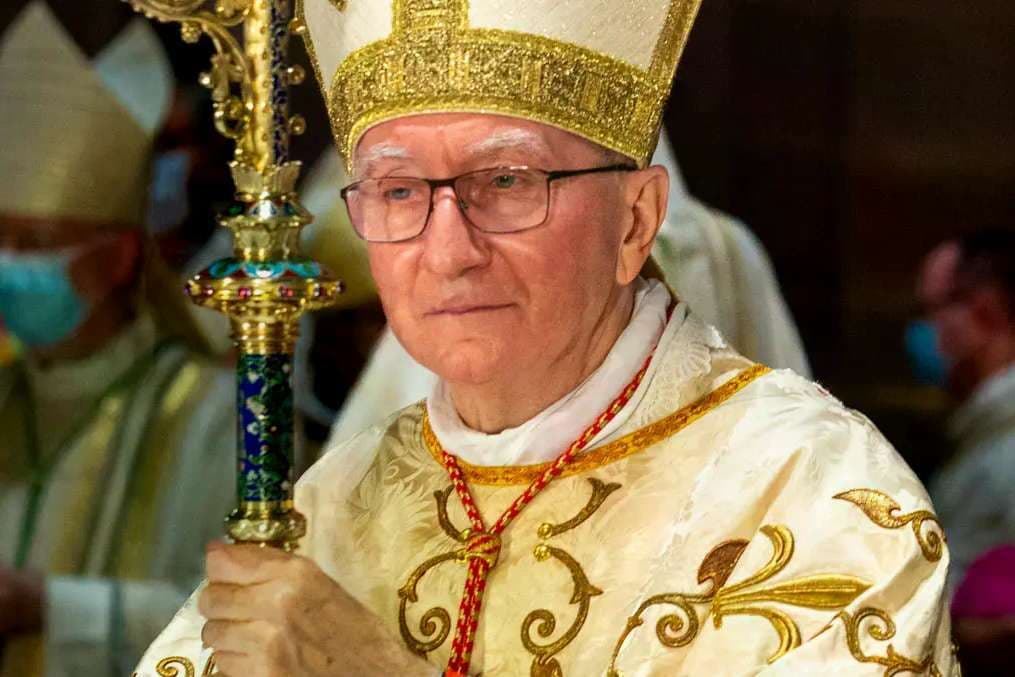
The Holy See will not join the U.S.-led Board of Peace, Vatican Secretary of State Cardinal Pietro Parolin announced Feb. 17, citing the Vatican’s unique diplomatic role.
Speaking to reporters on the sidelines of a bilateral meeting with the Italian government in Rome, Cardinal Parolin said the Holy See has a “particular nature, which is evidently not that of other States,” according to Vatican News.
When asked about Italy’s decision to participate as an observer in the international group tasked with overseeing peace efforts in Gaza and potentially in other global conflicts, Cardinal Parolin said there are “certain critical issues that should be resolved.”
“One concern is that at the international level it should above all be the UN [United Nations] that manages these crisis situations,” he said. “This is one of the points on which we have insisted.”
Italian Prime Minister Giorgia Meloni recently announced that Italy will attend the board’s first meeting as an observer but will not join as a full member because of constitutional constraints, Euronews reported. Italy’s constitution allows participation in international bodies only on equal terms with other states, which Meloni said conflicts with the board’s structure. The meeting is scheduled for Feb. 19 in Washington.
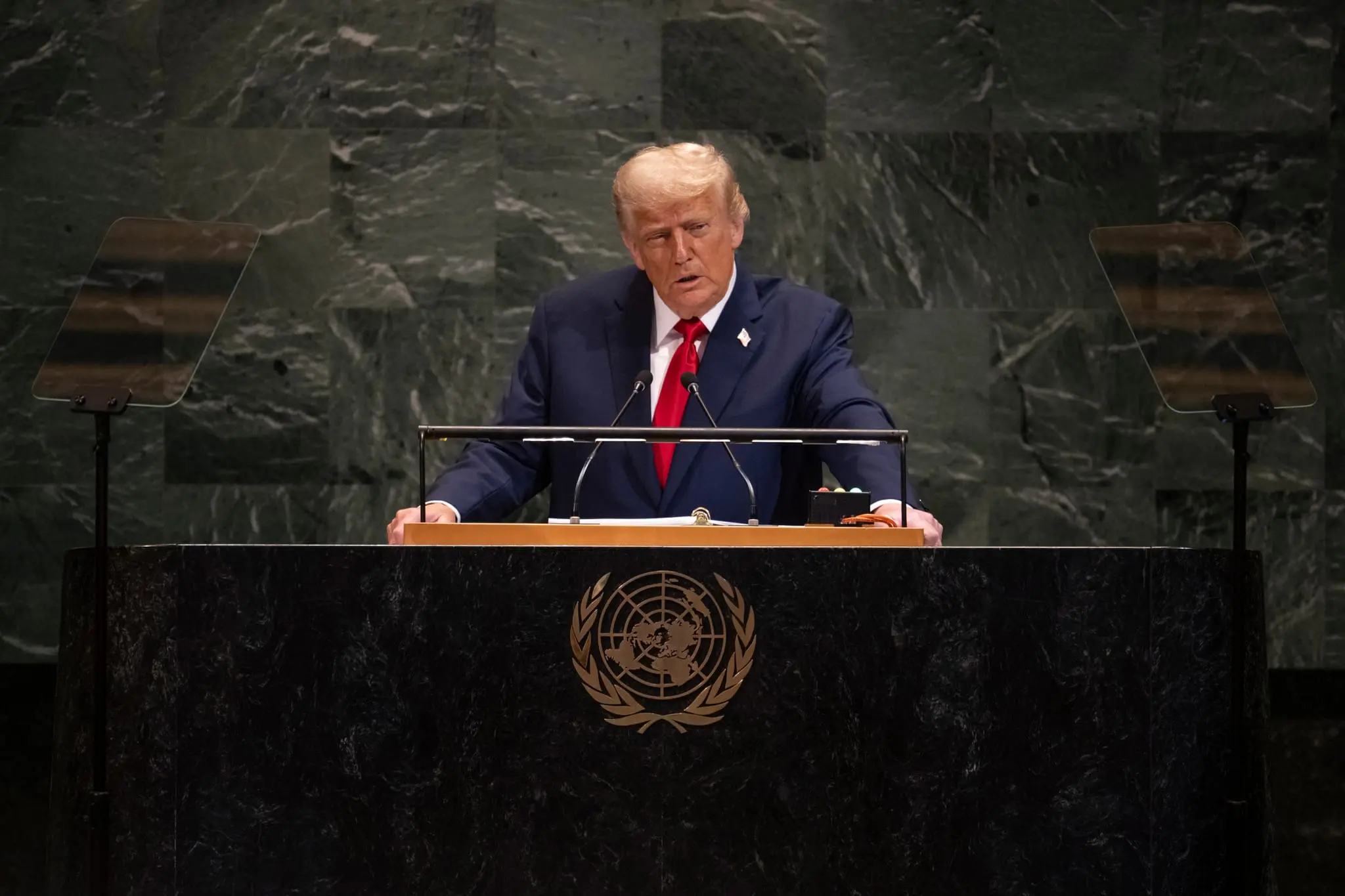
The Board of Peace, officially launched by President Donald Trump Jan. 22, is intended to oversee Phase Two of the administration’s Gaza ceasefire plan, which centers on demilitarization, postwar governance, and long-term reconstruction in the region.
According to Reuters, delegations from more than 20 countries are expected to attend the upcoming meeting. Trump announced Feb. 15 that the board’s member states have pledged more than $5 billion for humanitarian aid and reconstruction efforts in the war-torn region. A day later, he told reporters that the board is “working in conjunction with the United Nations.”
Trump invited Pope Leo XIV to join the board in January. Zeale News previously reported that Archbishop Jean-Louis Tauran, former Vatican secretary for foreign relations, said in a 2002 lecture that popes typically avoid joining secular-led external boards or committees in order to preserve the Holy See’s independence and neutrality.
Pope Leo has repeatedly expressed concern over the humanitarian crises in the Holy Land and highlighted the suffering of Palestinians in Gaza and the West Bank. He has also reaffirmed the Holy See’s longstanding support for a two-state solution. In a Jan. 9 address, he said a two-state solution “remains the institutional perspective for meeting the legitimate aspirations for both peoples.
Cardinal Pierbattista Pizzaballa, the Latin Patriarch of Jerusalem, has similarly called attention to ongoing violence and tentatively welcomed U.S.-led efforts to end hostilities. He recently expressed hope for peace but also warned that many “concrete actions” are needed to rebuild trust. He said that in Gaza and the Holy Land, the “wounds are still deep” and “there is no clear vision of the future.”
.jpg&w=3840&q=75)
Comments