Christian parents take Sweden to court after 3 years’ separation from daughters
A Christian couple asked a court to require Sweden to return custody of their daughters, who were taken from the family after false allegations of abuse were made.

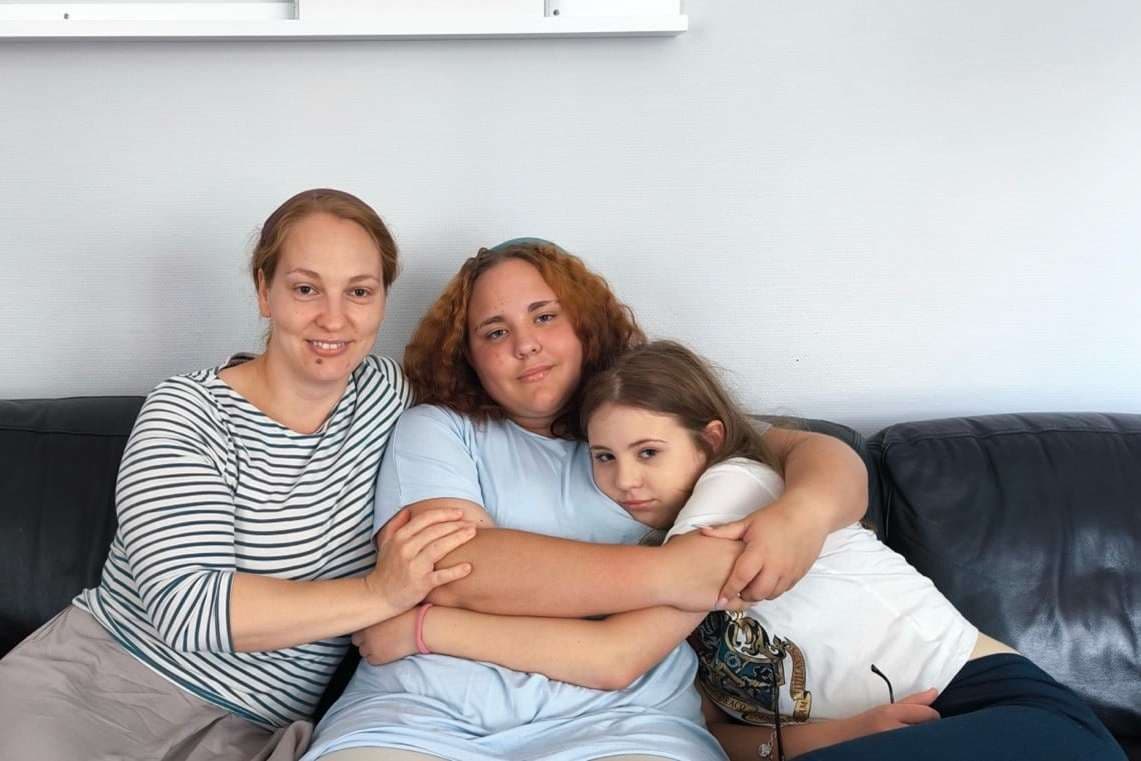
- Christian parents Daniel and Bianca Samson are petitioning the European Court of Human Rights after Sweden refused to return custody of their two daughters, Sara (11) and Tiana (10), who were seized in 2022 following false abuse allegations.
- Authorities opened but later closed an abuse investigation after finding no evidence. Despite this, Swedish child protection services kept the girls in foster care, citing the parents’ “religious extremism.”
- The label was reportedly due to the family’s regular church attendance and restrictions on makeup. ADF International argues the country’s actions amount to religious discrimination and violation of parental rights.
- The girls have been moved between multiple foster homes, separated from each other, and prevented from seeing their parents more than once a month, under supervision. Their mental health has deteriorated, according to their parents, prompting them to seek justice from the ECHR after exhausting all other domestic legal remedies.
A Christian couple has asked the European Court of Human Rights (ECHR) to require Sweden to return custody of their daughters, who were separated from the family after false allegations of abuse were made and now remain in foster care due to claims that their parents are “religious extremists.”
Alliance Defending Freedom (ADF) International, the legal organization representing Daniel and Bianca Samson, stated in a press release that Swedish child protection services seized 11-year-old Sara and 10-year-old Tiana in 2022 after Sara claimed at school that her parents were abusing her. Her allegation, which she quickly retracted, was prompted by her parents’ refusal to let her have a cell phone or wear makeup, ADF International said.
Prosecutors opened an investigation into the Samsons and closed it when they found no evidence to support claims of abuse. The parents allowed their daughters to be placed in temporary foster care during the investigation, but authorities refused to reinstate custody of the girls even after the investigation was dismissed and the parents had completed parenting training. Instead, child protection services claimed that the Samsons are “religious extremists” because the family attends church three times a week, and the parents refuse to let their daughters wear makeup, according to ADF International.
The legal organization said that the girls have been in three different foster placements since June 2023 and have been separated from each other. Their parents are allowed to see them once a month, under supervision. ADF International also said that Sara “has consistently expressed a profound longing to return home.” The mental health states of both girls have worsened to the point of suicide attempts.
The Swedish Supreme Court refused to hear the Samsons’ plea to regain custody of their daughters earlier this year, and authorities have denied the parents’ request to transfer the girls to the foster care system of their home country of Romania. Daniel Samson said that he and his wife are taking their case to the ECHR “because all domestic remedies have failed to restore our parental rights.”
“We love our children. We trusted Sweden to protect them — and when the truth emerged, we expected our daughters to come home. Yet they remain away from us, and their mental health continues to deteriorate,” he added, according to the release.
ADF International argues that the situation is a “severe violation” of the Samsons’ parental rights.
“This case strikes at the heart of every parent’s most fundamental right — the freedom to care for and protect one’s children,” said Guillermo Morales Sancho, ADF International’s legal counsel. “The Samsons are living every parent’s worst nightmare, having lost their children to the state for nearly three years.”
Morales Sancho also stated that Sweden’s actions amount to religious discrimination against Christians.
“The state labeled the family as religious extremists solely because of their active practice of their Christian faith,” he said. “We trust that the European Court of Human Rights will order the family’s reunification, uphold the parents’ right to direct their daughters’ upbringing in their home, and affirm the children’s right to be cared for by their parents.”





Comments