DOJ sues Hawaii, Arkansas, Utah, DC over in-state tuition for illegal immigrants
The lawsuits extend a legal strategy that has already won rulings against Nebraska, Kansas, Texas, and other states, part of a nationwide effort to end reduced college tuition rates for students living in the country illegally.
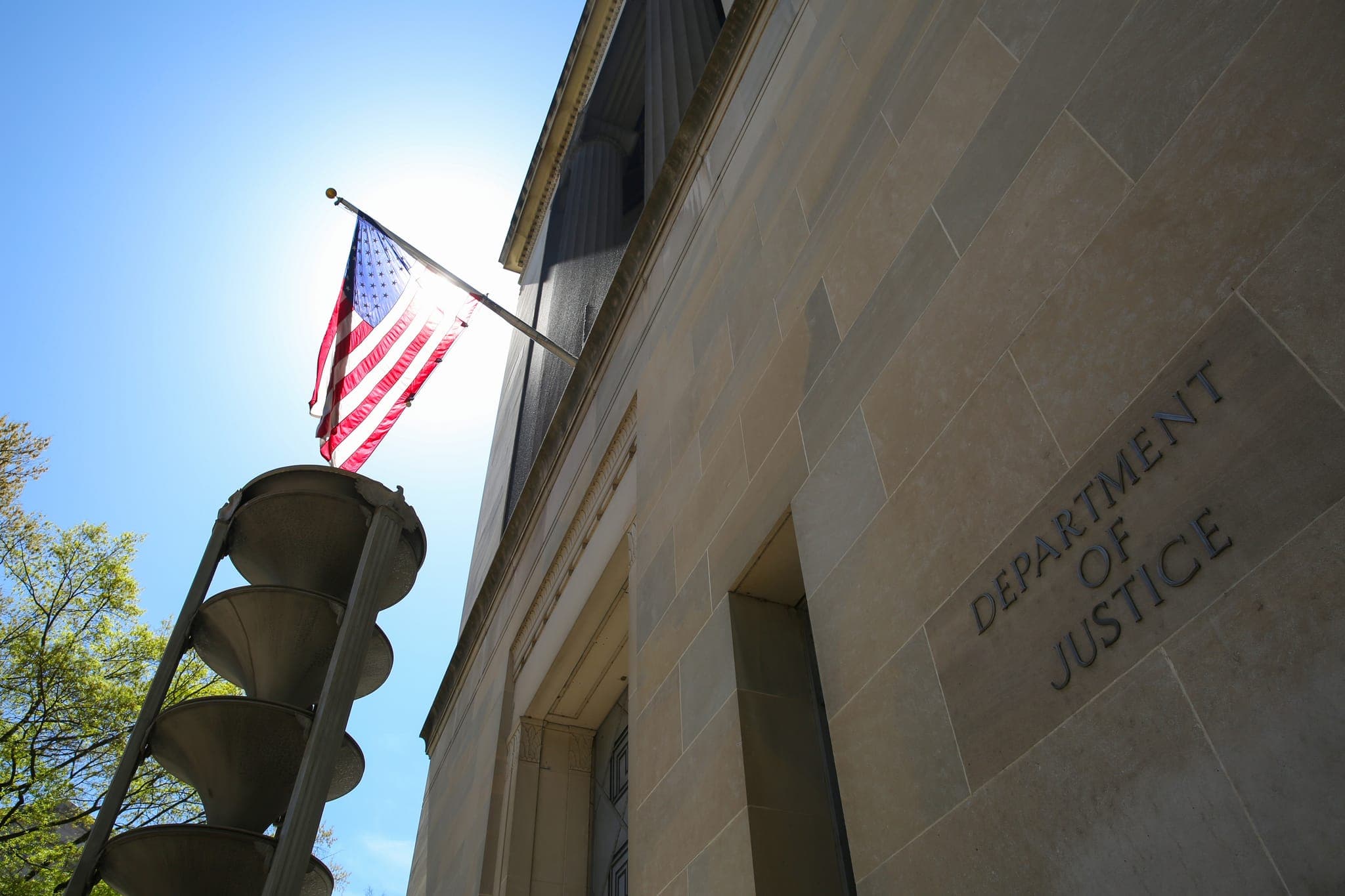
The Justice Department sued Hawaii, Arkansas, Utah, and the District of Columbia on Sept. 10 accusing each of violating federal law by offering reduced college tuition to students living in the country illegally while charging full, out-of-state rates to U.S. citizens who live elsewhere. The four lawsuits bring the total number of such cases the department has filed nationwide to 25.
The complaints argue that state laws allowing immigrants without legal status to qualify for in-state tuition rates violate the Constitution’s supremacy clause and a federal law barring states from granting postsecondary education benefits to people in the country illegally unless the same benefit is available to any U.S. citizen, regardless of which state they live in. “We have now sued every state across our nation” with such a law on the books, Associate Attorney General Stanley Woodward Jr. said in a statement announcing the suits, framing the effort as fulfilling a campaign pledge from President Donald Trump.
Responses from the four defendants have varied. An Arkansas attorney general’s office spokesman told Courthouse News the state largely agrees with the department’s legal position and is reviewing next steps, while the attorneys general for Hawaii, Utah, and Washington, D.C., did not immediately respond to requests for comment.
The lawsuits extend a legal strategy that has already produced rulings against several states, most recently Nebraska, where a federal judge in June permanently barred the state from enforcing a 2006 law that let immigrant students without legal status qualify for in-state tuition if they had graduated from a Nebraska high school and lived in the state at least three years.
U.S. District Judge Brian Buescher, approving a consent agreement between Nebraska and the Justice Department, said that the previous discrepancy in treatment between illegal residents and out-of-state Americans blatantly violated federal law. The difference in cost is substantial: At the University of Nebraska Omaha, in-state undergraduate tuition and fees run about $9,768 a year, compared with roughly $26,092 for out-of-state students. Nebraska’s Republican attorney general and governor both welcomed that ruling as a correction to a policy they said had gone on too long.
The Justice Department has also won similar rulings in Kansas, Texas, Kentucky, Oklahoma, and Illinois, as well as before the 5th U.S. Circuit Court of Appeals, and says related lawsuits remain pending in more than a dozen additional states.



Comments