Dutch bishop urges Pope Leo to refocus Church on salvation of souls over synodal process
Bishop Rob Mutsaerts argues that years of consultations, meetings, and reports should be judged by whether they have strengthened faith, fostered conversion, and brought people closer to Christ.
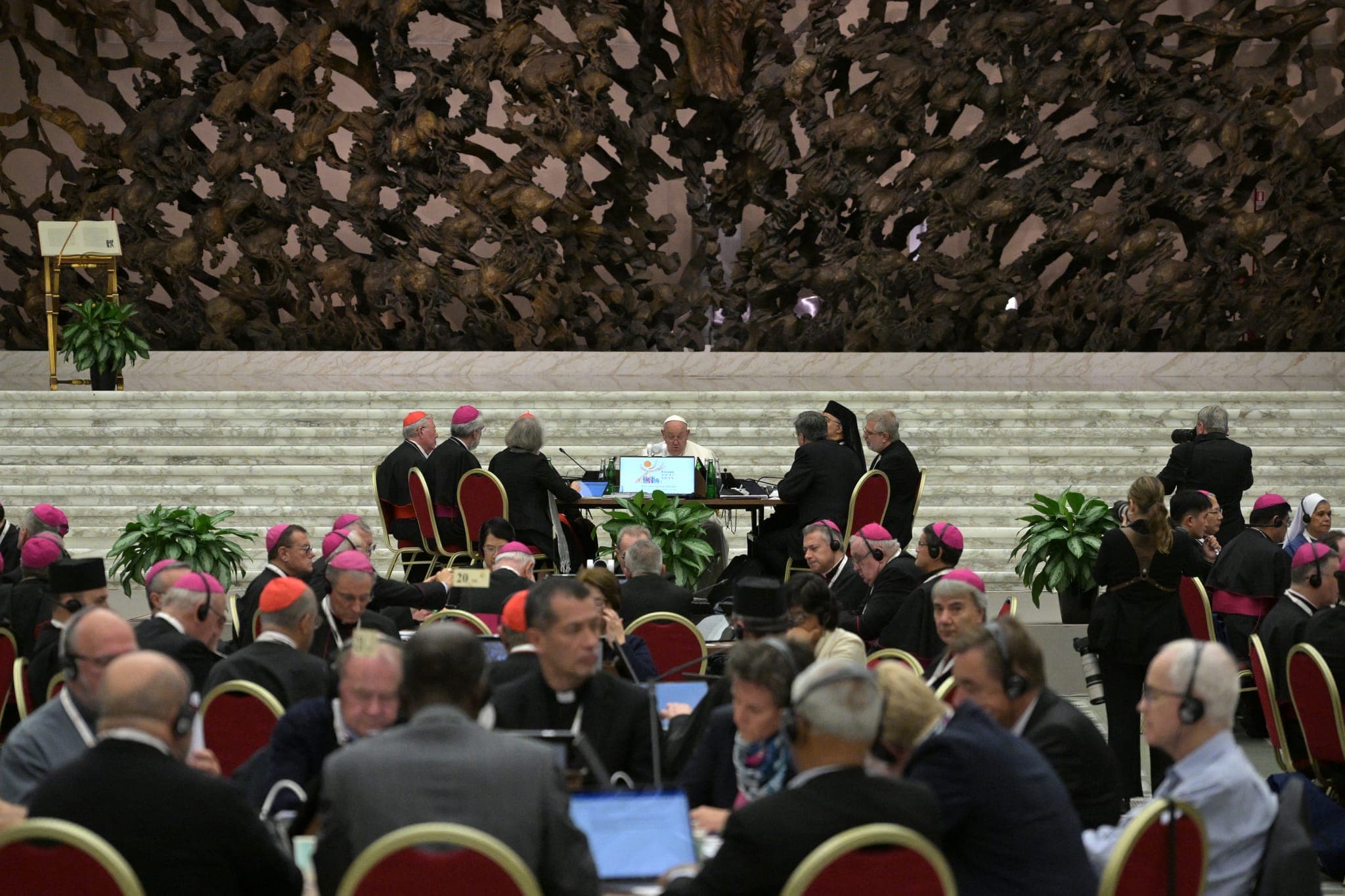
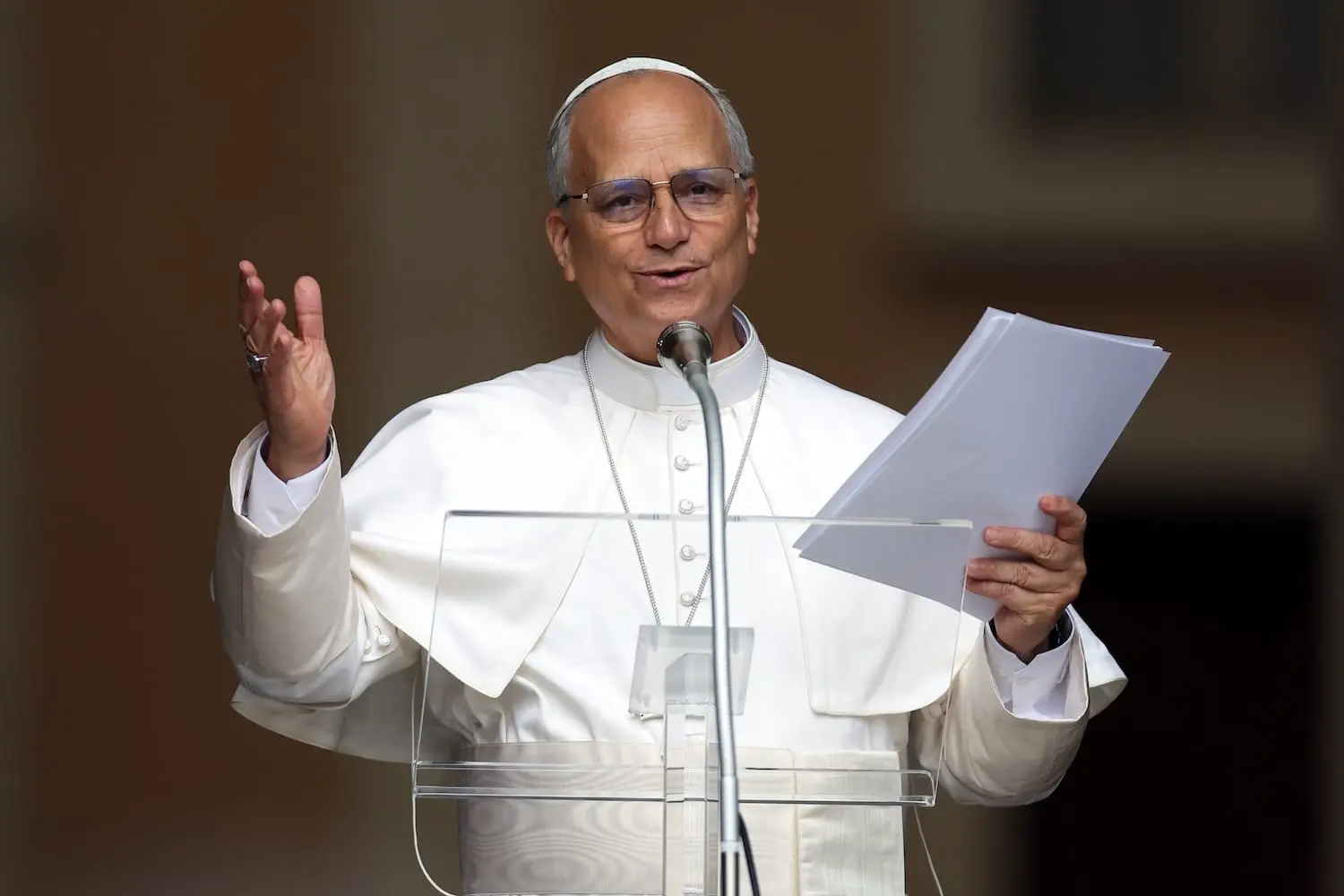
Dutch Auxiliary Bishop Rob Mutsaerts has urged Pope Leo XIV to reconsider the Church’s ongoing synodal process, arguing in an extensive open letter that years of consultations and meetings have failed to address the fundamental crisis of faith facing much of the Western Church.
Bishop Mutsaerts, auxiliary bishop of the Diocese of ’s-Hertogenbosch, published his Aug. 13 appeal on his website and framed it around what he called the overriding purpose of the Church: “the salvation of souls.”
“My question is simple and serious: does the synodal process truly help to draw souls closer to Christ and to eternal salvation?” Mutsaerts wrote. “For me, this is the decisive question.”
The bishop acknowledged the “good intentions” of those involved in the Synod on Synodality but argued that the initiative should ultimately be judged by its fruits.
After years of “synodal consultations, meetings, reports and documents,” Mutsaerts asked whether faith has been strengthened, Christ proclaimed more clearly, Mass attendance increased, priestly vocations grown, catechesis improved, or greater reverence for the Eucharist fostered.
“When one asks such questions, it is impossible to regard the Synod as a success,” he wrote.
The Synod on Synodality formally began in 2021, with its two principal assemblies taking place in Rome in October 2023 and October 2024. Its implementation phase remains underway, however, with diocesan, national and continental evaluations leading toward an ecclesial assembly at the Vatican in October 2028.
Mutsaerts warned that what began as a temporary synod now “risks becoming a permanent form of governance.”
The Dutch prelate stressed that consultation and listening have legitimate places within the Church but argued that they must remain subordinate to revealed truth.
“The Church, in fact, does not begin with our dialogue. It begins with Christ,” he wrote, adding that the Catholic faith is something received rather than determined through consensus.
Mutsaerts also contended that the synodal process has devoted disproportionate attention to questions of Church structures, authority, women’s roles, inclusivity, and participation while Catholicism in much of Western Europe faces declining Mass attendance, disappearing religious communities, dwindling knowledge of the faith, and low numbers of priestly vocations.
“A house on fire has different priorities from administrative matters,” he wrote.
The bishop identified conversion as what he considers a major omission from contemporary discussions, contrasting the synodal emphasis on listening with Christ’s command to “Repent and believe in the Gospel.”
“The Church does not exist primarily to confirm people in what they already are,” Mutsaerts wrote. “It exists to lead them to Christ.”
Rather than another structural reform, Mutsaerts proposed a renewed emphasis on holiness, evangelization, catechesis, confession, Eucharistic adoration, priestly formation and reverent liturgy.
He used the disciples on the road to Emmaus as a model for authentic synodality: Christ listened to their concerns but then corrected them, taught them through Scripture and revealed Himself in the breaking of the bread. The disciples subsequently returned to Jerusalem to proclaim what they had encountered rather than continuing indefinitely to discuss their journey.
“We are so busy discussing how the Church should walk together that we sometimes forget where she is heading,” Mutsaerts wrote.
Concluding his appeal, the bishop asked Pope Leo to provide clarity and redirect the Church toward its missionary purpose.
“Right now we do not need a hesitant Church, but a missionary Church that knows what its treasure is and is not afraid to show it to the world,” he wrote.
Mutsaerts said he hopes Leo’s pontificate will be marked by “Christ, conversion, holiness, the Eucharist, evangelisation and the salvation of souls.”
“Once all the synods have ended, all the documents have been drafted, all the commissions have been dissolved, and our names have been forgotten,” he concluded, “only the question that truly matters will remain: Have we brought the people entrusted to us closer to Jesus Christ?”
.jpg&w=3840&q=75)
Comments