FDA moves to speed development of psychedelic-based treatments for mental illness after Trump order
The U.S. Food and Drug Administration (FDA) announced April 24 it is taking steps to accelerate the development of psychedelic-based treatments for serious mental illness, following an executive order from President Donald Trump directing federal health agencies to expand access to emerging therapies.

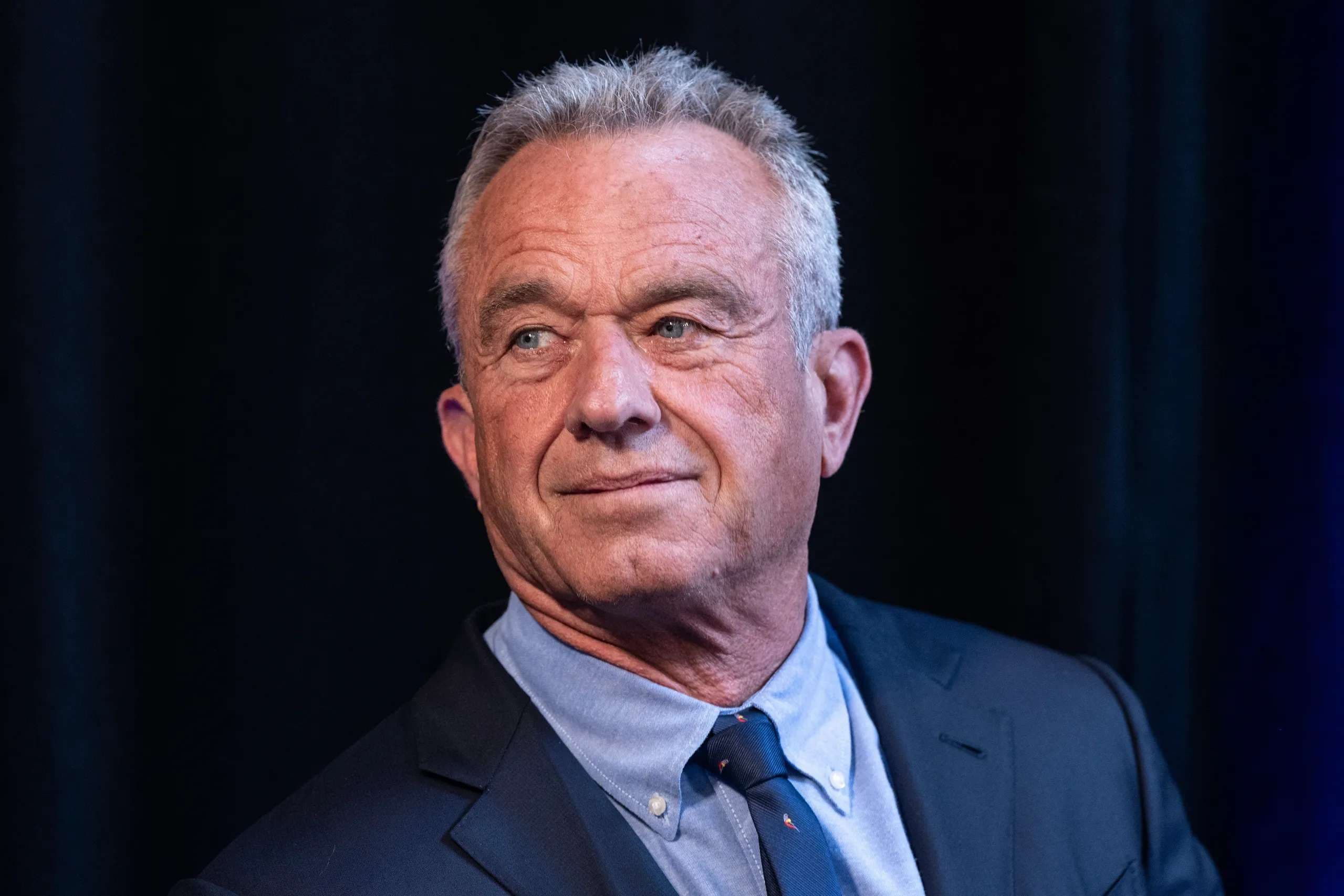
The U.S. Food and Drug Administration (FDA) announced April 24 it is taking steps to accelerate the development of psychedelic-based treatments for serious mental illness, following an executive order from President Donald Trump directing federal health agencies to expand access to emerging therapies.
The action follows an April 18 order from Trump instructing the Department of Health and Human Services (HHS) to “accelerate access to treatments for patients with serious mental illness,” including complex and treatment-resistant conditions.
>> Trump signs order accelerating access to psychedelics for mental health treatments <<
In response, the FDA announced a series of regulatory measures aimed at supporting research into psychedelic drugs, such as psilocybin- and ibogaine-derived substances, according to an April 24 email press release from the Department of Health and Human Services.
“Under President Trump’s leadership, we are accelerating the research, approval, and responsible access to promising mental health treatments — including psychedelic therapies like ibogaine — to confront our nation’s mental health crisis head-on, especially for our veterans,” HHS Secretary Robert Kennedy Jr. said in the release.
He added that the FDA will prioritize therapies granted “Breakthrough Therapy” designation, where early evidence suggests improvement over existing treatments.
FDA Commissioner Marty Makary said the medications “have the potential to address the nation’s mental health crisis,” which involves treatment-resistant depression, alcoholism, and other conditions. However, he emphasized, development must remain rooted in “sound science and rigorous clinical evidence.”
As part of the initiative, the FDA said it is issuing national priority vouchers to three companies studying psilocybin for treatment-resistant depression and major depressive disorder and methylone for post-traumatic stress disorder.
The FDA stressed that allowing the study to move forward “does not mean the drug has been approved or found to be safe or effective.”
The agency said it will continue reviewing data as it becomes available. It also plans to release final guidance for drug developers, outlining recommendations for clinical trial design, patient monitoring, and data collection for psychedelic-based therapies because they present “unique scientific and methodological challenges.”
“There is a growing recognition of the potential of psychedelic medications to address multiple different psychiatric conditions that are notoriously difficult to treat,” said Tracy Beth Hoeg, acting director of the FDA’s Center for Drug Evaluation and Research. “At the FDA we are showing our support of investigating the safety and efficacy of this class of drugs through today’s actions.”
Critics of the executive order warn it may prioritize speed over safety and risk expanding access to potentially harmful substances, as Zeale News reported.
Tom McClusky, director of government affairs at CatholicVote, argued the policy downplays known dangers.
“Wrapping psychedelics up in medical terms, just like they do with marijuana, is a farce,” he said.
According to McClusky, the push may be driven more by profit than public health.
Other opponents similarly cautioned that fast-tracking such treatments without rigorous oversight could lead to misuse, unqualified prescribing, and broader normalization of risky drugs.
>> Is Trump’s order on psychedelics prioritizing health as it promises? <<
.jpg&w=3840&q=75)






Comments