Five tips for appreciating art in a museum
Going to an art museum can be a wonderful experience. These are the images that have captured the imaginations of generations and formed Western and Eastern culture. Yet, looking at a painting can also be overwhelming. Where does one begin?
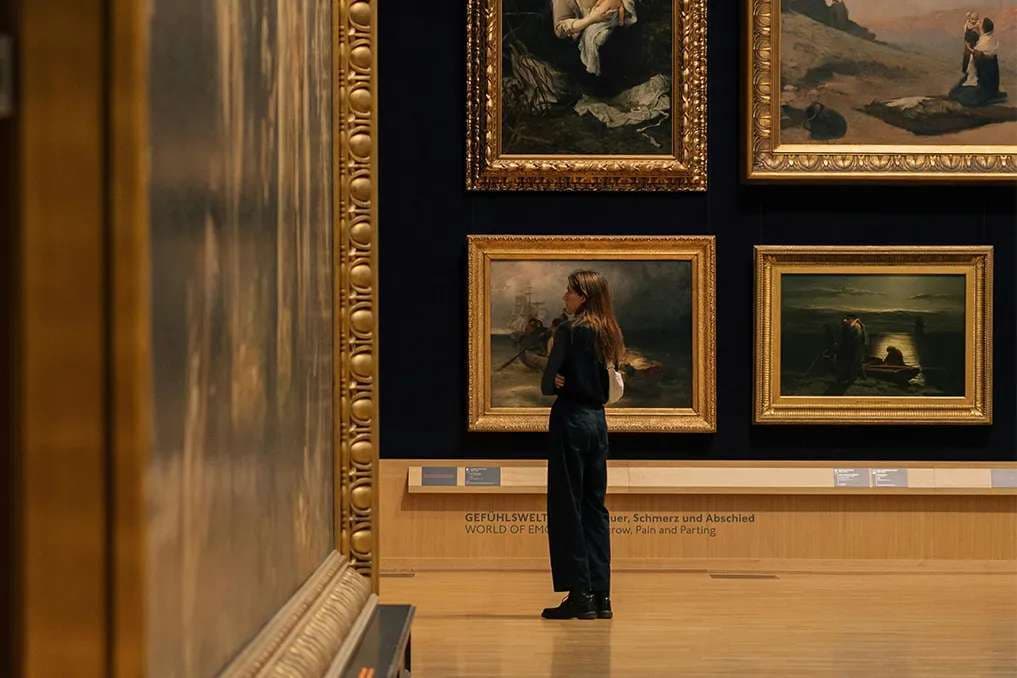
Going to an art museum can be a wonderful experience. These are the images that have captured the imaginations of generations and formed Western and Eastern culture. Yet, looking at a painting can also be overwhelming. Where does one begin? How can you tell whether or not the painting you are looking at is good? The painting is beautiful, but why? How?
In this article, I offer five tips on how to appreciate a work of art in a museum. If you approach each piece of art with these five points in mind, you will walk away with a new appreciation for the time and talent that went into each work.
Shapes
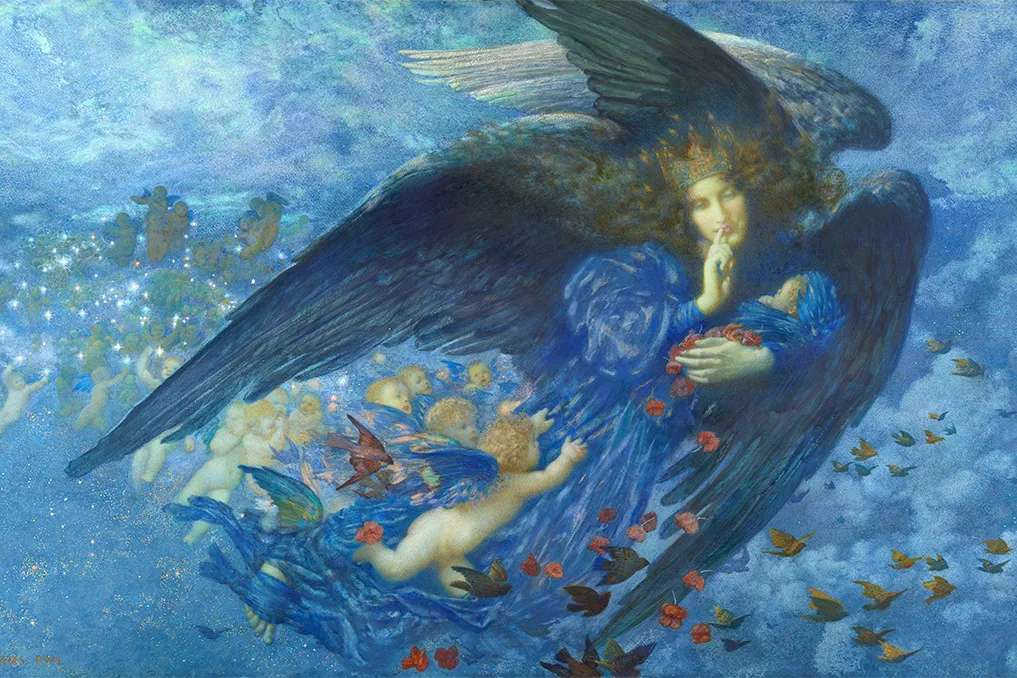
The first thing to look for in a painting is the shapes. How are the figures laid out? Are most of the lines going horizontal or vertical? Are the figures arranged in a triangle? A square? This is what artists call composition: the way the subject of the painting is arranged on the canvas. This can make or break a painting, and artists will spend hours arranging their subjects or looking for the correct perspective from which to paint.
Once you have discovered the shapes, look at what is at the center of the shapes or what makes up the edges. For example, in medieval religious art often the figures in the painting are arranged in a triangle, with Christ or Mary at the apex. Another popular composition is the circle, with figures arranged around one central figure. The triangle, a symbol of the Trinity, and the circle, a symbol of God’s eternity, are literally painted into the images themselves. You can discover other hidden meanings by examining the composition of an image.
Hands
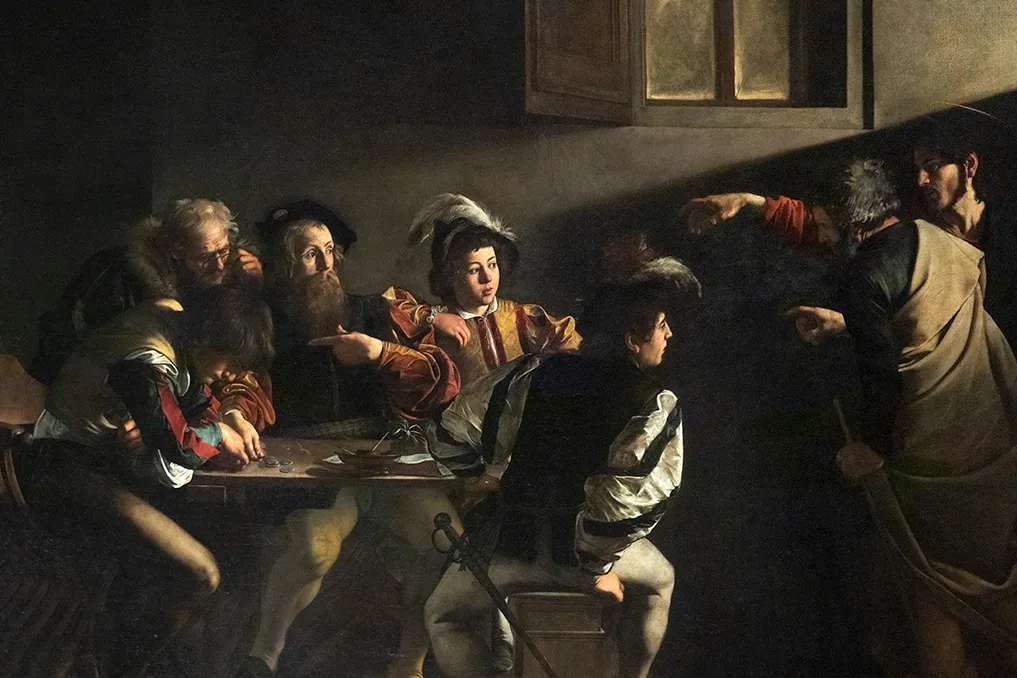
Another thing to look for in a painting is the hands. Have you ever wondered how to tell whether a painting is a good one? Look at the hands, particularly the skill in which the artist was able to depict them. A talented artist uses the hands of the figure to tell you something about them. Are their hands folded in prayer? Clenched in anger? What are they holding? Where are they pointing? Are they white with aristocratic refinement, or dirtied with the day’s labor? The hands of the figure are one of the ways the artist tells the story. For example, in Caravaggio's “The Calling of St. Matthew,” examine the hands of Jesus and the hands of Peter. Peter’s hand is pointing, aggressive and firm, while Christ’s hand is relaxed, lazy even. Now, compare these hands with another famous painting, ”the Creation of Adam” on the Sistine Chapel ceiling. Caravaggio has given Peter the hand of God, and Christ the hand of Adam from that painting. What does this reversal tell us about Christ the God-man and Peter the head of the Church?
Eyes
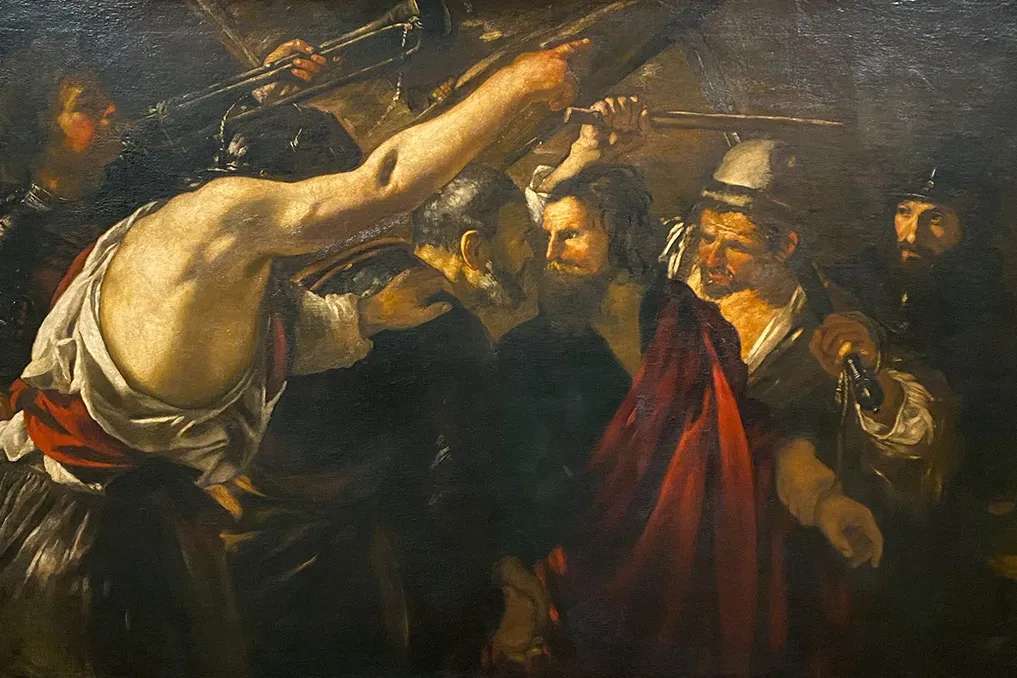
The eyes are the windows to the soul, and artists will rely on the eyes of a subject to reveal the soul of the painting. Look at the eyes of each subject in a painting — where are they looking? Often artists will use sight-lines to direct the viewer’s eye around the painting. Whose eyes are locked on one another? Whose eyes are closed? Whole stories can be exchanged in these frozen glances. One of my favorite examples of the power of eye contact in art is a painting by Giovanni Serradine, "Parting of Sts Peter and Paul Led to Martyrdom.” This baroque painting depicts the legend that Paul and Peter met briefly while in Rome before being led to their deaths. The painting is electric, full of movement and chaos, but the viewer is captured by the intense eye contact held between the two saints. It is difficult to look away and examine the rest of the painting. The moment is so intense, and you feel drawn in, locked in this moment between the two very different men about to die for Christ.
Light
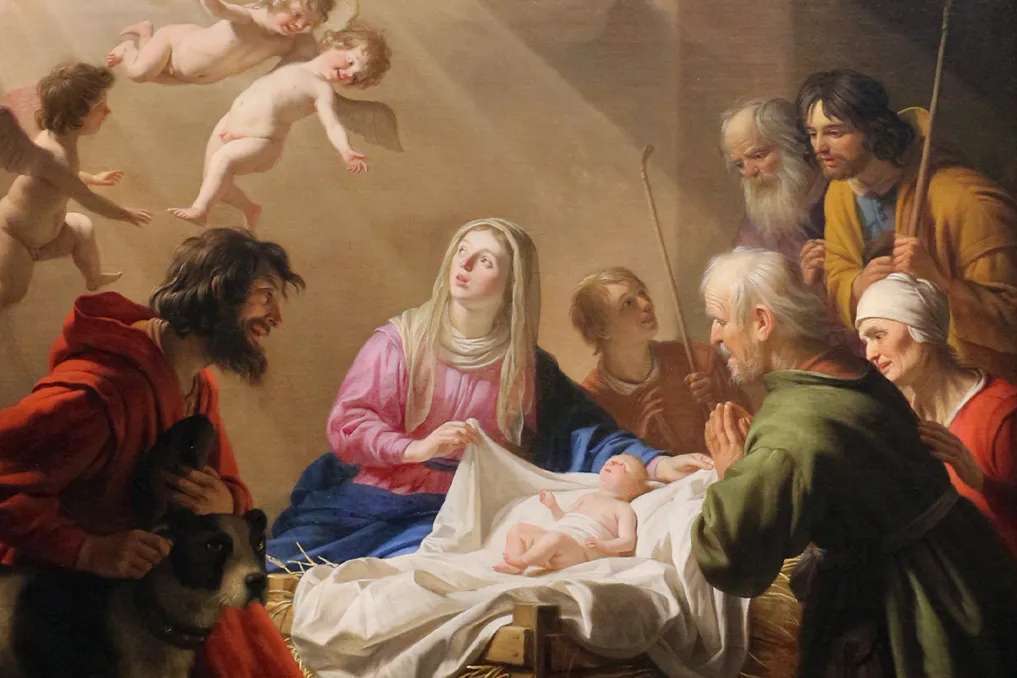
In any great painting, the artist has thought long and hard about light. Examine the painting before you; where is the light coming from? Are the shadows long and soft or small and harsh? Artists often use light as a spotlight — what is sitting in the spotlight of the painting? Claude Monet was obsessed with the passing of time and the change in lighting. He would sit in one place with multiple canvases and paint on one canvas till the light changed; then he would switch to another canvas, until the light changed again, and so on. He would then return to that spot, with the same set of canvases the next day in order to continue painting. In his various Rouen Cathedral paintings, the passage of time and light very clearly changes the color of the cathedral, the way the shadows lay on its facade, and the sky against which it stands. In religious paintings of the nativity, the light source is often the baby Jesus lying in his manger. It is a way for the artist to subtly proclaim Christ under His title: the light of the world.
Texture
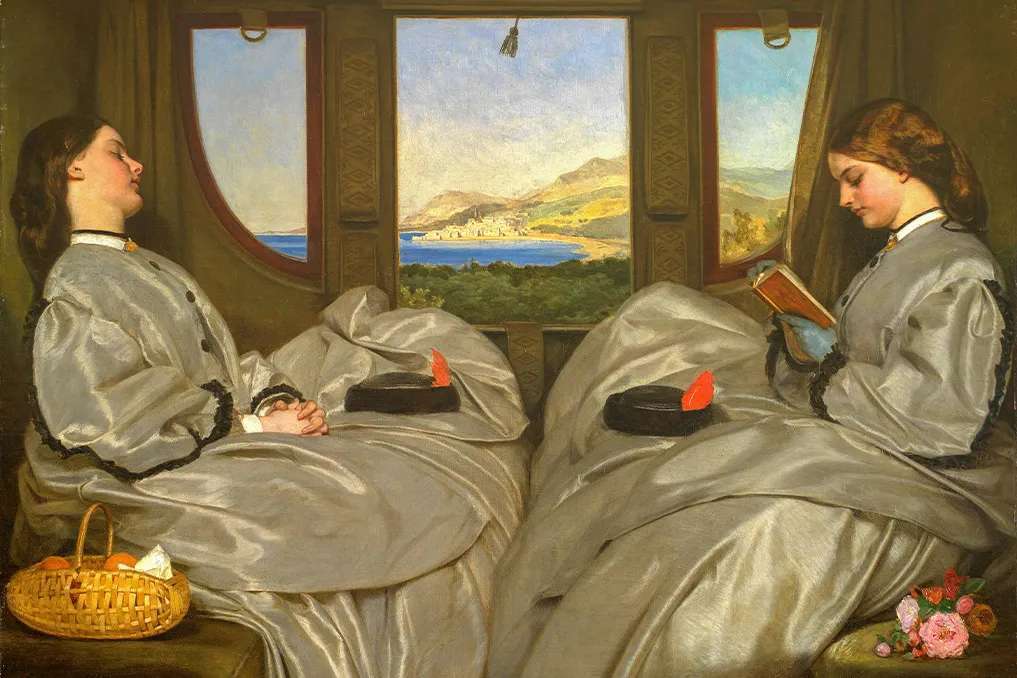
The last thing to look for is texture. By this I mean two kinds of texture. The first is the texture of the painting’s subjects. In a portrait, are the clothes silk or cotton? Are there pearls or fur? How did the artist use their color to depict the softness of hair or the wrinkles of skin? Taking a step back, how did the artist use the medium of the paint itself to provide texture? Paint of various colors catches and holds light in different ways. Artists will use the science of color to draw light into their painting and hold it there, at times by leaving glops or smears of paint in various places. Is the paint layered thickly on the canvas, with visible strokes from a brush or perhaps even with a pallet knife (a trowel-like instrument used for mixing and applying paint)? Or is the paint smooth with no visible brush strokes? How does this difference add or subtract from the painting’s feel, its motion — does the painting have a 3D effect? By examining the texture of the painting, you come to have a deeper appreciation for the physical tangible craft of the piece in front of you. This is no AI created art, but paint smeared and manipulated by a human hand, with care and precision to achieve a masterpiece.




Comments