The case for heirloom wedding dresses — and why I skipped dress shopping
During my senior year of college, I spent an embarrassing amount of class time doodling wedding dresses in the back of my notebook. The designs varied in silhouette and details, but they all shared the same aesthetic: ultra-feminine with vintage touches and delicate lace.

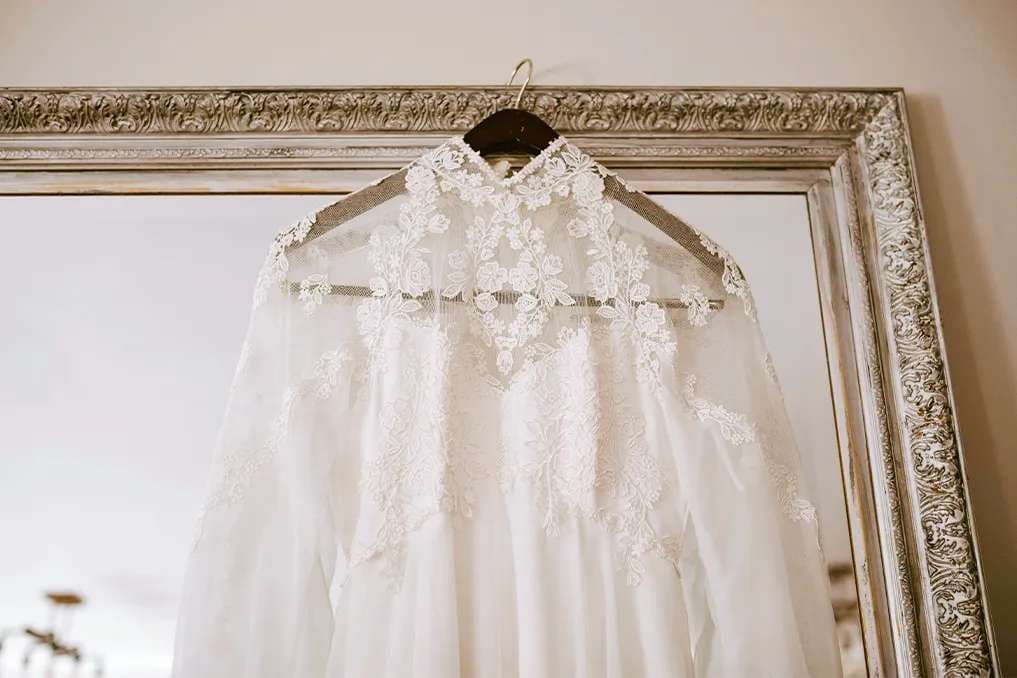
During my senior year of college, I spent an embarrassing amount of class time doodling wedding dresses in the back of my notebook. The designs varied in silhouette and details, but they all shared the same aesthetic: ultra-feminine with vintage touches and delicate lace.
Like many brides, I also had the Pinterest boards and hours of online browsing to match. But when it came time to actually go dress shopping after getting engaged, I found myself overwhelmed. It wasn’t that I had second thoughts about marriage itself. I was simply dreading the dress appointments.
Between coordinating schedules with bridesmaids and family members, staying within a strict budget, and navigating racks of dresses that often needed significant alterations for modesty, the process seemed exhausting rather than joyful. The more dresses I saw online, the harder it became to imagine choosing just one.
Friends told me they had spent hours in bridal boutiques trying on dresses only to realize that most of the styles available were difficult to wear modestly. While alterations can sometimes fix a plunging neckline or open back, they often change the design of the dress itself. I didn’t want to fall in love with something that would require major modifications just to make it wearable.
Then I remembered that my mom still had her wedding dress, church-dresscode approved and in almost my exact size.
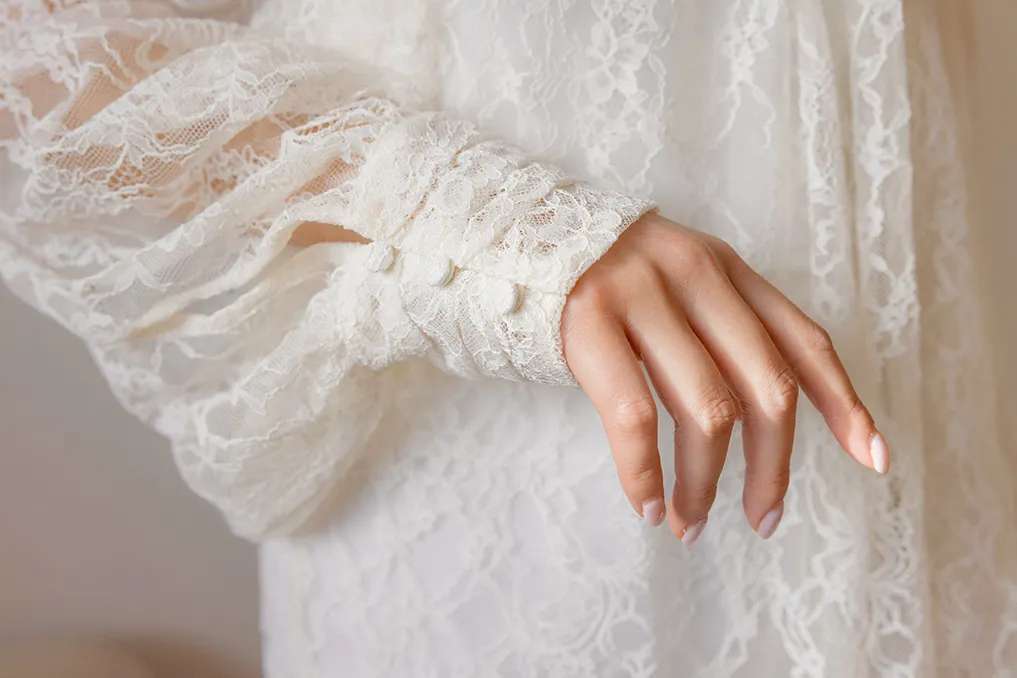
At first I had dismissed it as dated, but then I realized with some minor alterations it would be the princess dress of my dreams. It ended up being the only dress I tried on.
Meaning and craftsmanship
Choosing an heirloom wedding dress solved several problems at once. It removed the stress of endless searching, fit comfortably within my budget, and gave me a dress made with beautiful craftsmanship that had already stood the test of time. But more importantly, it carried a meaning that a brand-new dress never could.
Marriage marks the moment when a man and woman leave their families to form a new one together. As Genesis describes it, “a man leaves his father and his mother and clings to his wife, and they become one flesh.” In a small way, wearing my mother’s wedding dress symbolized that transition in my own life.
The Catechism reminds us that we owe a special gratitude to those who have given us the gift of faith and formation. “For Christians a special gratitude is due to those from whom they have received the gift of faith, the grace of Baptism, and life in the Church” (CCC 2220). For many people, those gifts come first from parents.
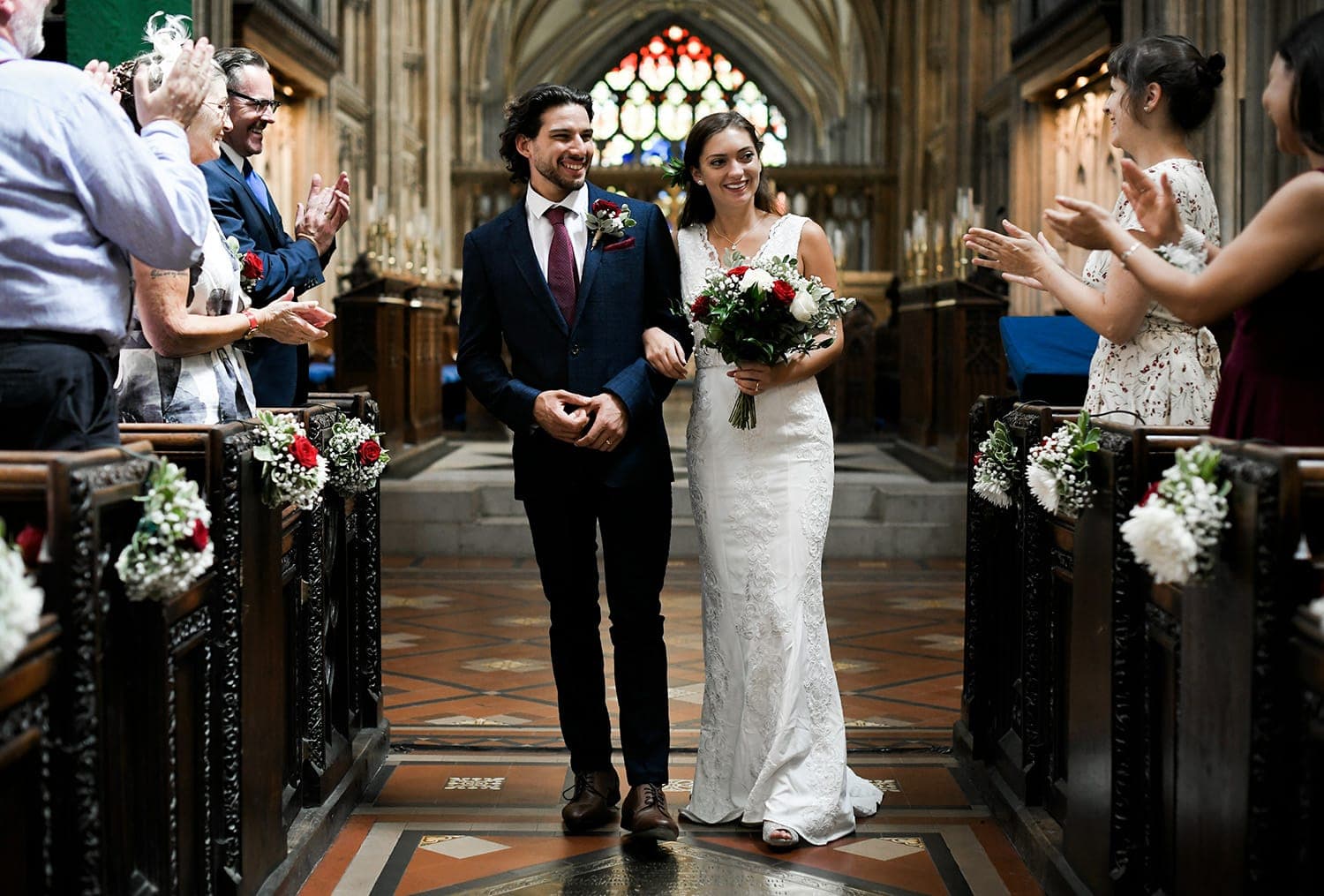
When I walked down the aisle in my mother’s dress, I was carrying something of that inheritance with me. The faith my parents passed on, the virtues they worked to instill, and the love that shaped my childhood had all prepared me for the vocation I was beginning.
Of course, I still followed a few wedding traditions. The dress counted as my “something old,” alongside my something new, something borrowed, and something blue (though I skipped the traditional halfpence in my shoe!). But wearing an heirloom dress also connected me to a much older tradition: the passing down of meaningful things from one generation to the next.
When you are wearing a dress from your mother, grandmother, or other older relative, you are wearing something “tried and true” that has withstood the test of time. You are bringing something from the past that most likely existed before you came along and integrating it into your own life. Your inheritance becomes a joyful symbol of the future and hope for things to come

Comments