Iran War Day 42: Peace talks begin with Iran
Vice President JD Vance told reporters April 10 that he expects a “positive” outcome as he departed for Islamabad, Pakistan, where he will lead the U.S. delegation in peace negotiations with Iran beginning April 11.

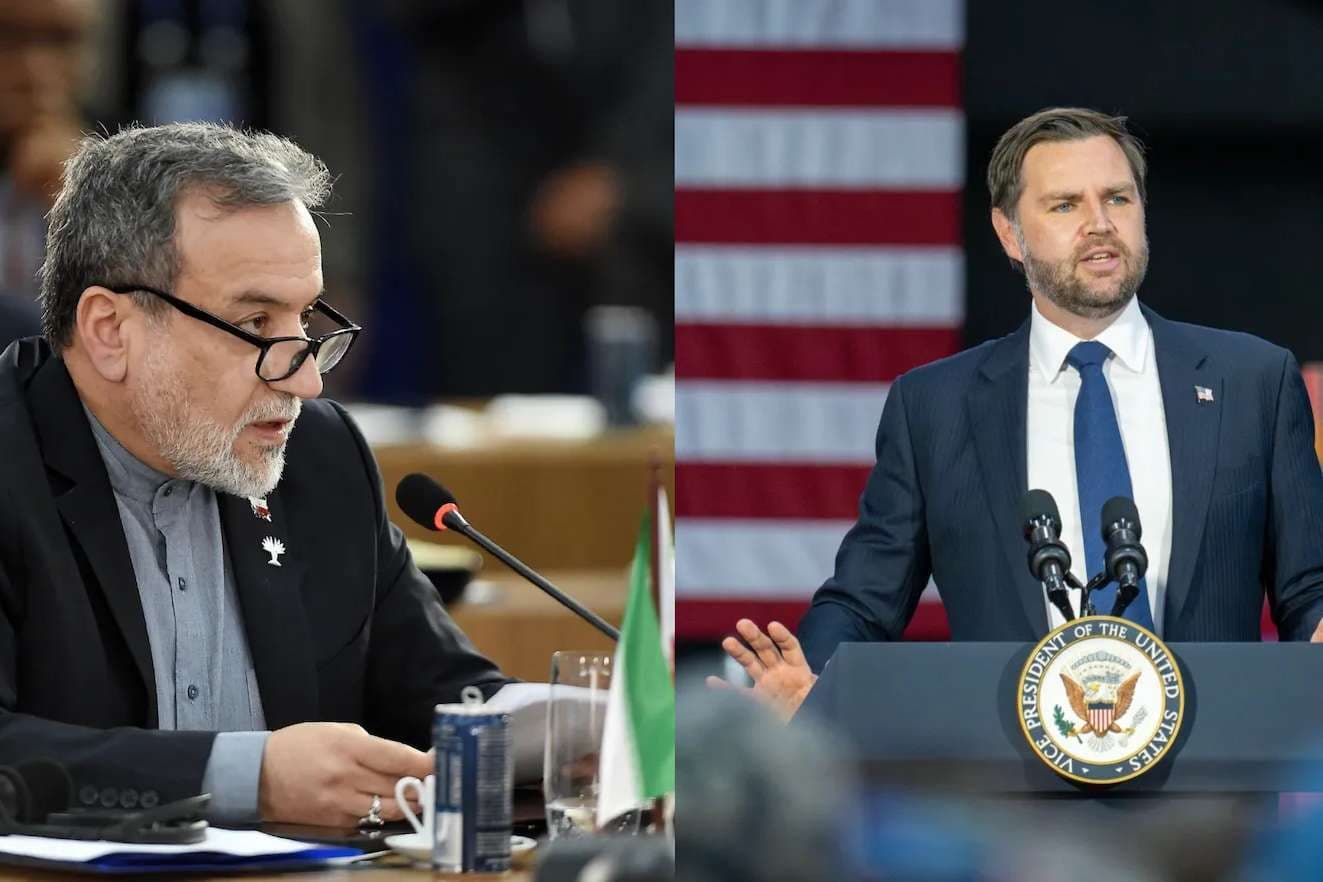
Vice President JD Vance told reporters April 10 that he expects a “positive” outcome as he departed for Islamabad, Pakistan, where he will lead the U.S. delegation in peace negotiations with Iran beginning April 11.
The negotiations come just days after a fragile ceasefire was announced April 8. Tensions have remained high since. Israel's continued offensive against Iran-backed Hezbollah militants in Lebanon remains a serious sticking point heading into the session.
>> Iran War Day 39: Trump announces 2-week Iran ceasefire after deadline threat <<
Vance signals cautious optimism
Speaking to reporters before boarding his flight, Vance said, “We’re looking forward to the negotiation. I think it’s going to be positive. We’ll, of course, we’ll see.” He added that President Donald Trump had given him “pretty clear guidelines” for the meeting.
Vance signaled openness to diplomacy while warning against bad-faith tactics on the part of Tehran. “If the Iranians are willing to negotiate in good faith, we are certainly willing to extend an open hand, that’s one thing,” he said. “If they’re going to try to play us, they’re going to find that the negotiating team is not that receptive.”
White House Press Secretary Karoline Leavitt said April 8 that the U.S. delegation team also includes Special Envoy Steve Witkoff and Trump advisor Jared Kushner, the President’s son-in-law.
Iran sets hard terms, enters with ‘complete distrust’
The Iranian delegation will be led by Parliament Speaker Mohammad Bagher Ghalibaf and accompanied by Foreign Minister Abbas Araghchi.
Araghchi has made Iran's position clear in recent posts on X. Tehran is framing the ceasefire question as a binary choice for the U.S. — either pursue a ceasefire or continue backing Israel's military campaign, but not both. He has pointed to the ongoing conflict in Lebanon as evidence of what he characterizes as U.S. complicity in Israeli aggression that cuts against the aims of the negotiations.
Araghchi has also signaled that Iran sees the resumption of Netanyahu's criminal trial as politically significant, suggesting a regional ceasefire could accelerate his legal troubles. He warned that if the U.S. allows the negotiations to collapse, it will bear the economic and diplomatic consequences — while indicating Iran is prepared for that outcome.
According to an April 8 press release from Iran’s Supreme National Security Council, the talks will be held “solely on the basis of” Iran’s 10-point ceasefire plan. Iran enters “with complete distrust” but has agreed because its “objectives of the war have been achieved” and it has the “upper hand,” the release asserted.
“It was decided at the highest level that Iran will hold talks with the American side in Islamabad for two weeks and solely on the basis of these principles,” the council added. “It is emphasized that this does not mean an end to the war and Iran will accept an end to the war only when, in view of Iran's acceptance of the principles envisaged in the 10-point plan, its details are also finalized in the negotiations.”
Trump stresses nuclear red line and opening Hormuz Strait
Trump downplayed the need for extended negotiations and emphasized U.S. leverage in light of what he described as a weakened Iranian position.
“I have to see what happens tomorrow,” Trump told reporters April 10, noting that Iran has “been talking for 47 years with other presidents and we’re not doing much talking.” He added that Iran is “militarily defeated” and said that preventing Iran from obtaining a nuclear weapon was “99%” of what the talks will be about.
He said the U.S. aims to ensure the Strait of Hormuz remains open and ruled out allowing Iran to levy a toll for passage through the vital waterway.“No, we’re not going to allow that,” he said. “It’s international water.”
.jpg&w=3840&q=75)




Comments