Pope Leo calls worldwide prayer vigil for peace during Iran negotiations
Pope Leo XIV spoke out against war and called for prayers as Vice President JD Vance, a Catholic, departed for Islamabad, Pakistan, where he will lead the U.S. delegation in peace negotiations with Iran on April 11.

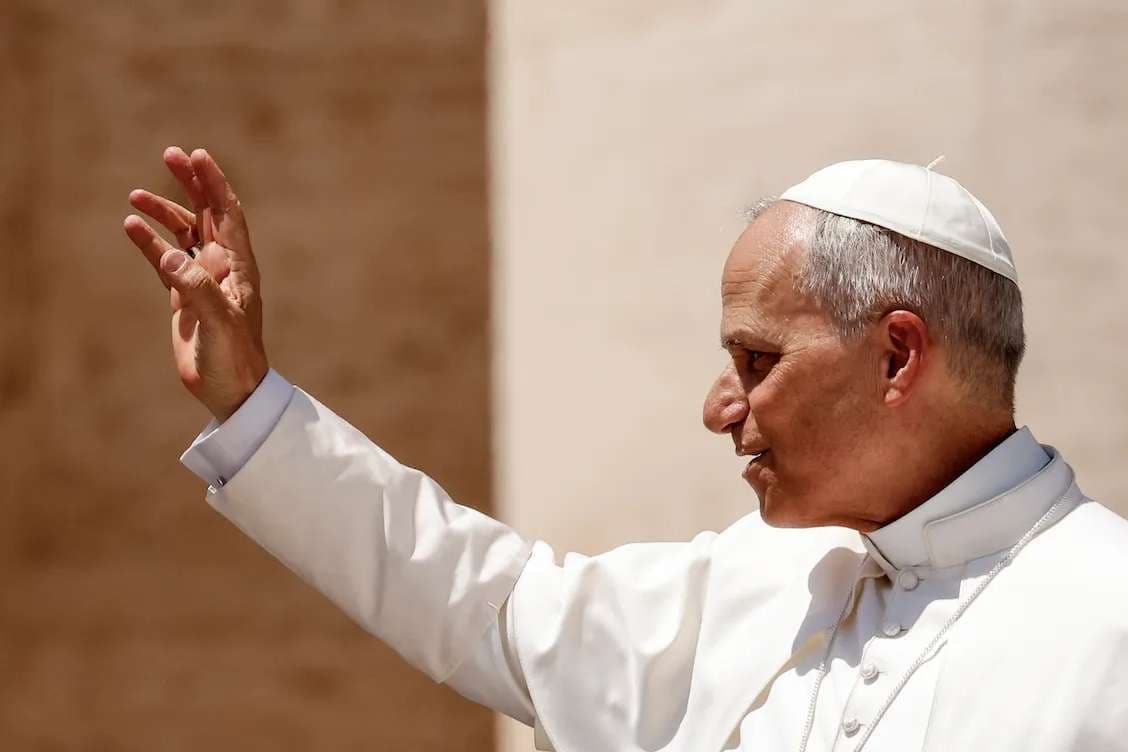
Pope Leo XIV spoke out against war and called for prayers as Vice President JD Vance, a Catholic, departed for Islamabad, Pakistan, where he will lead the U.S. delegation in peace negotiations with Iran on April 11.
The negotiations arrive just days after a ceasefire was announced April 8 in the U.S.-Israeli war against Iran. Neither side has moved substantially to ease tensions since.
Pope Leo XIV gave his sharpest rebuke of the war yet on April 10, stating that “God does not bless any conflict” and does not side with those who “once wielded the sword and today drop bombs” as he addressed bishops of the Chaldean Catholic Church gathered in Rome.
He urged the faithful to “proclaim clearly” that followers of Christ “never stand on the side” of those who wage war.
“Military action will not create space for freedom or times of peace,” he said.
Calling the violence “senseless and inhuman,” the Pope said the lands of early Christianity have been “desecrated by the blasphemy of war and the brutality of business” and insisted: “No cause can justify the shedding of innocent blood.”
The Holy Father has consistently spoken out against war since the conflict began, urging dialogue over violence and rejecting “mutual threats or weapons” as a path to peace. Across multiple Angelus addresses, Holy Week messages, and public remarks, he has called for a ceasefire, condemned attacks on civilians, and warned against using religion to justify conflict as President Donald Trump and U.S. War Secretary Pete Hegseth continue to invoke God in connection with the war. Pope Leo also criticized Trump’s April 7 threat to destroy Iran’s “whole civilization” — calling the President’s statement “truly unacceptable.”
A worldwide moment of prayer
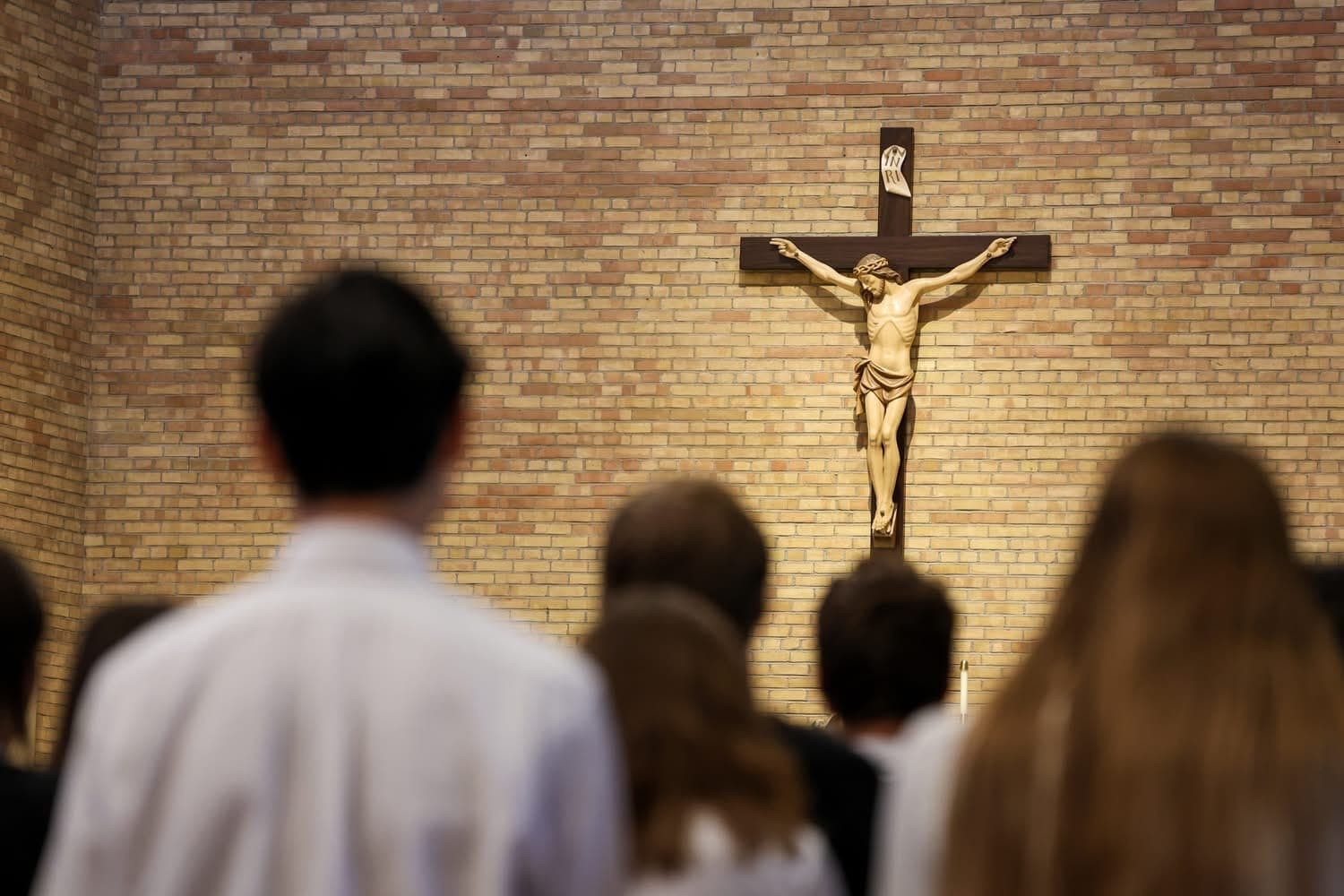
Pope Leo has called on the faithful worldwide to join him in prayer as the U.S.-Iran negotiations begin.
He will preside over a Prayer Vigil for Peace at St. Peter's Basilica on Saturday, April 11, at 6:00 PM Rome time — noon Eastern.
U.S. dioceses and parishes have been encouraged by their bishops to gather locally or join virtually at the same hour, creating a worldwide moment of intercession coinciding with the most consequential day of diplomacy since the war began.
Archbishop Coakley, president of the U.S. Conference of Catholic Bishops, issued a statement making “a special plea to my brother bishops, the priests, the laity, and all people yearning for true peace to join the Holy Father’s Vigil for Peace, whether virtually, or in parishes, chapels, or before the Lord present in the quiet of their hearts to join with our Holy Father as we pray for peace in our world.”
The Pope first extended the invitation at the close of his Easter Urbi et Orbi address on Easter Sunday. He renewed the call again at his General Audience on April 8, urging that "this period of delicate diplomatic work be accompanied by prayer."
The vigil will center on the Glorious Mysteries of the Rosary, with meditations drawn from three Church Fathers: St. Augustine of Hippo, St. John Chrysostom, and St. Ambrose of Milan. Catholics from five continents — Africa, the Americas, Asia, Europe, and Oceania — will light candles from the Lamp of Peace in Assisi, which burns perpetually at the tomb of St. Francis. Pope Leo will close the vigil with a reflection and a final blessing asking for the grace of peace upon the entire world.
The service falls on the eve of Divine Mercy Sunday, the feast established by St. John Paul II, whose own pontificate was marked by similar peace vigils in times of global crisis.



Comments