Pope Leo on Iran conflict: Peace is ‘not achieved through mutual threats’ or weapons
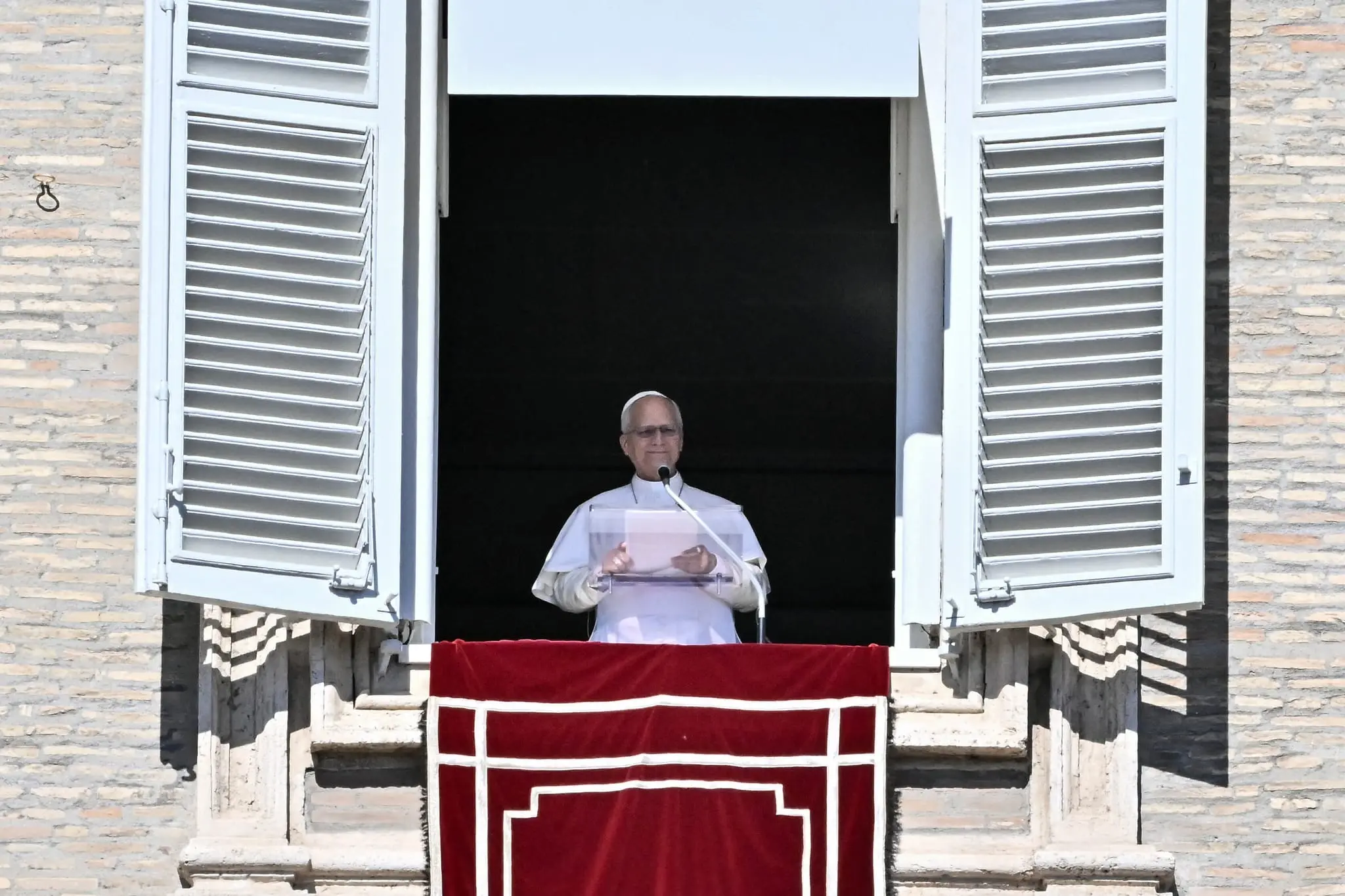
As the death toll climbs after the onset of the U.S.-Israeli war on Iran, Pope Leo XIV denounced the abandonment of diplomacy and urged all parties to reverse the cycle of violence during a March 1 address. The Holy Father also called on the faithful to pray for peace.

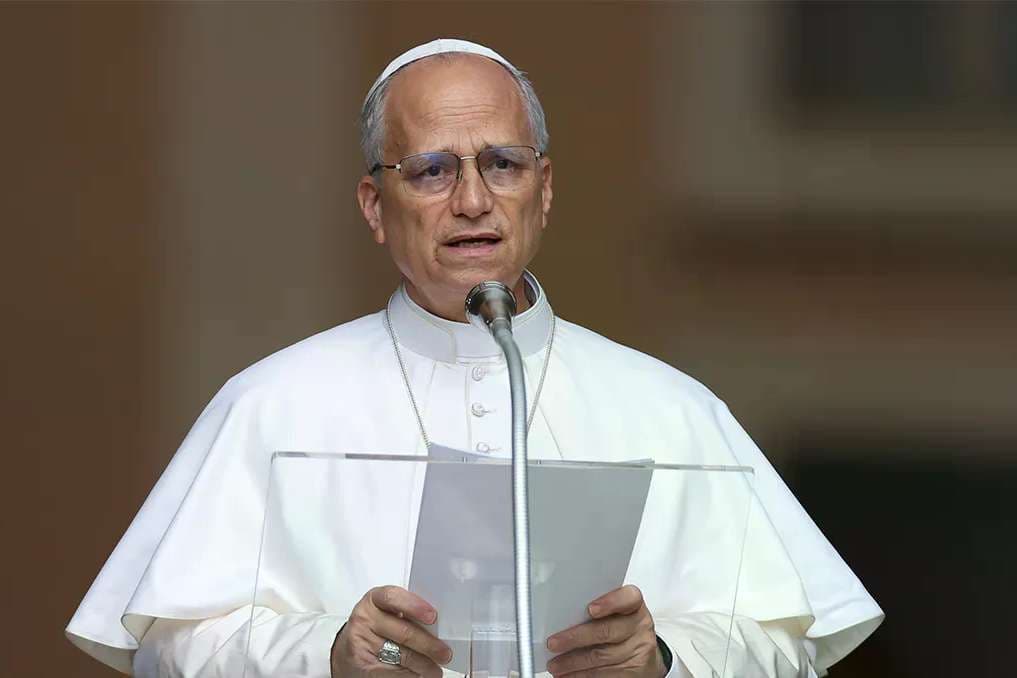
As the death toll climbs after the onset of the U.S.-Israeli war on Iran, Pope Leo XIV denounced the abandonment of diplomacy and urged all parties to reverse the cycle of violence during a March 1 address. The Holy Father also called on the faithful to pray for peace.
“I am following with deep concern what is happening in the Middle East and in Iran during this tumultuous time. Stability and peace are not achieved through mutual threats, nor through the use of weapons, which sow destruction, suffering, and death, but only through reasonable, sincere, and responsible dialogue,” Pope Leo said after leading the Sunday Angelus.
“Faced with the possibility of a tragedy of immense proportions, I make a heartfelt appeal to all the parties involved to assume the moral responsibility of halting the spiral of violence before it becomes an unbridgeable chasm,” he continued. “May diplomacy regain its proper role, and may the well-being of peoples, who yearn for peaceful existence founded on justice, be upheld. And let us continue to pray for peace.”
As Zeale News reported Feb. 28, President Donald Trump announced early Saturday morning that the U.S. launched “major combat operations in Iran” to “ensure that Iran does not obtain a nuclear weapon.” Trump said the “noble mission” could result in U.S. casualties, and also called on Iranians to “take over” their government in the aftermath of joint U.S.-Israeli strikes.
Trump said that the U.S. had “sought repeatedly to make a deal,” but claimed Iran had “rejected every opportunity to renounce their nuclear ambitions and we can’t take it anymore.” The attacks on Iran came just hours after Oman Foreign Minister Oman Badr Albusaidi – the primary mediator of ongoing negotiations between the U.S. and Iran – had announced that Iran had agreed to “zero stockpiling” and to “never ever have a nuclear material that will create a bomb,” Zeale News reported Feb. 28.
CBS News reported the Pentagon had confirmed March 1 that three U.S. troops have been killed in the war. A local all-girls school in Iran was also hit in the bombings over the weekend, with the Associated Press reporting Feb. 28 that at least 80 were reported killed and dozens wounded at the school. The casualty numbers are recorded as considerably higher in local Iranian reports, according to Fox7Austin.
The New York Times reported that according to videos verified by the outlet, “the school is adjacent to a naval base belonging to the country’s most powerful military force, the Iranian Revolutionary Guards Corps, or IRGC. Another video verified by The Times on Saturday showed a strike hitting the same IRGC base.”
A spokesperson for the United States Central Command commented to The Times about the news: “We are aware of reports concerning civilian harm resulting from ongoing military operations. We take these reports seriously and are looking into them. The protection of civilians is of utmost importance, and we will continue to take all precautions available to minimize the risk of unintended harm.”
Zeale News reported Feb. 28 that Trump announced in late that afternoon that Iran Supreme Leader Ayatollah Ali Khamenei had been killed. FOX News reported that according to a U.S. official, Khamenei and several other top Iranian leaders were killed following an Israeli strike in Tehran. German media company DW reported that according to state media, Iran’s top security officials have announced a transition process to elect a new leader, which may begin as early as March 1.
According to Axios, Iran has initially retaliated by "aiming ballistic missiles and drones at U.S. bases and Israel — and is spilling into neighboring Arab states that host American forces or sit under flight paths. Those include the United Arab Emirates (UAE), Qatar, Kuwait, Bahrain and Jordan."
Trump told The Daily Mail in a March 1 interview that he anticipates the fighting will last four weeks.
“It's always been a four-week process. We figured it will be four weeks or so. It's always been about a four-week process, so – as strong as it is, it's a big country, it'll take four weeks – or less,” Trump said, according to the outlet.
He also told the outlet that he will be meeting with the families of the deceased U.S. service members “at the appropriate time.”



Comments