Pope Leo: Catholic education can remedy ‘fragmentation of knowledge,’ point students to Christ
As modern education faces what he called an “increasing fragmentation of knowledge,” Pope Leo XIV said June 3 that Catholic universities are uniquely positioned to help students encounter Christ and integrate their understanding of reality.

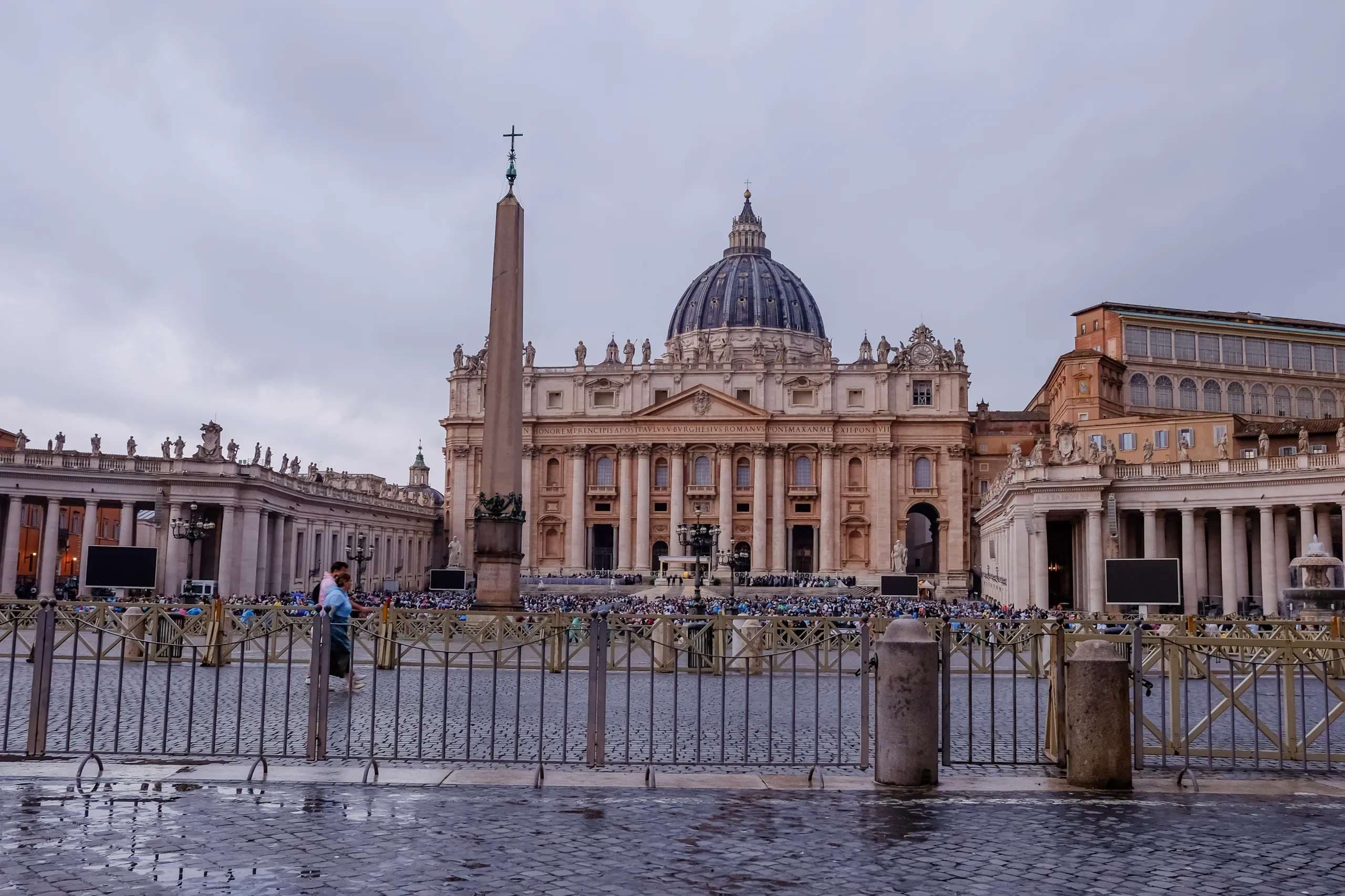
As modern education faces what he called an “increasing fragmentation of knowledge,” Pope Leo XIV said June 3 that Catholic universities are uniquely positioned to help students encounter Christ and integrate their understanding of reality.
Pope Leo said Catholic education is decisively important in the modern world, noting that a particular current challenge in education is the fragmented knowledge.
“While it is easy to find people who are experts in a particular field of study, many of these individuals ‘struggle to find direction in their lives, partly due to an inability to connect information with deeper knowledge or maintain a sense of purpose,’” he said, quoting his recent encyclical Magnifica Humanitas.
“They often lack a global vision of reality that is capable of uniting not only the various fields of knowledge, but also the multiple aspects of life and the inner longings of the human heart,” he continued. “Catholic education has a particularly significant role to play in this regard.”
He gave his address to a delegation from the Association of Catholic Colleges and Universities from the U.S., which is in Rome for its 2026 Rome seminar, according to Vatican News. Again citing his encyclical, the Holy Father reminded the presidents and rectors of these institutions that their responsibility is to help direct students’ desire to learn toward loving the truth, consider the meaning of life, and seeing the dignity of all persons.
He noted that young men and women will come to the Catholic institutions “to study a specific degree,” often motivated by getting a job in the future, and the administration’s responsibility in guiding the desire of learning is not easy to carry out. Seeking what is true requires learning, mentorship, and significant effort, he said.
“Unless Catholic education instills in students a true passion for the truth — and not only intellectual truth, but the Truth that is Christ himself — we can hardly expect people to be willing to put forth the effort required to recognize truth and adapt one’s life accordingly,” he said. “Indeed, Catholic institutions are called to be a ‘living environment in which the Christian vision permeates every discipline and every interaction’.”
“Your authenticity as true disciples of Christ,” he reminded them, “will certainly assist you in transmitting the living Gospel in such a way that those entrusted to you can truly encounter the Lord and discover in the Catholic faith the unifying vision that Truth alone can provide.”
Pope Leo also commented that the widespread use of artificial intelligence (AI) poses a new challenge in education because it makes it harder for teachers to evaluate students’ work. He noted that this causes teachers to have to be creative and adaptable to ensure that students are receiving integral human formation, even when this creates more work for the educators. He indicated that the extra effort is worth it, saying, “In this sense, we must be willing to invest generously in the education of future generations.”
He said it is essential that young people both learn how to use new technologies positively and also genuinely cultivate “their God-given skills and capacities to reason, to think critically and commit knowledge to memory, thus preparing them to shape responsibly the world to come.”
Before imparting his Apostolic Blessing, the Pontiff encouraged the academic leaders to always uphold Catholic teaching in their institutions.
“Dear brothers and sisters, as you continue to carry out the Church’s evangelizing mission,” he said, “it is my hope that students will always be able to find in your Institutions the sound doctrine entrusted to the Church that will serve as a true and lasting foundation not only for their lives, but for the future of the Nation.”




Comments