Labor Day, uncertainty in today’s economy, AI, and the dignity of work: A message from a USCCB chairman


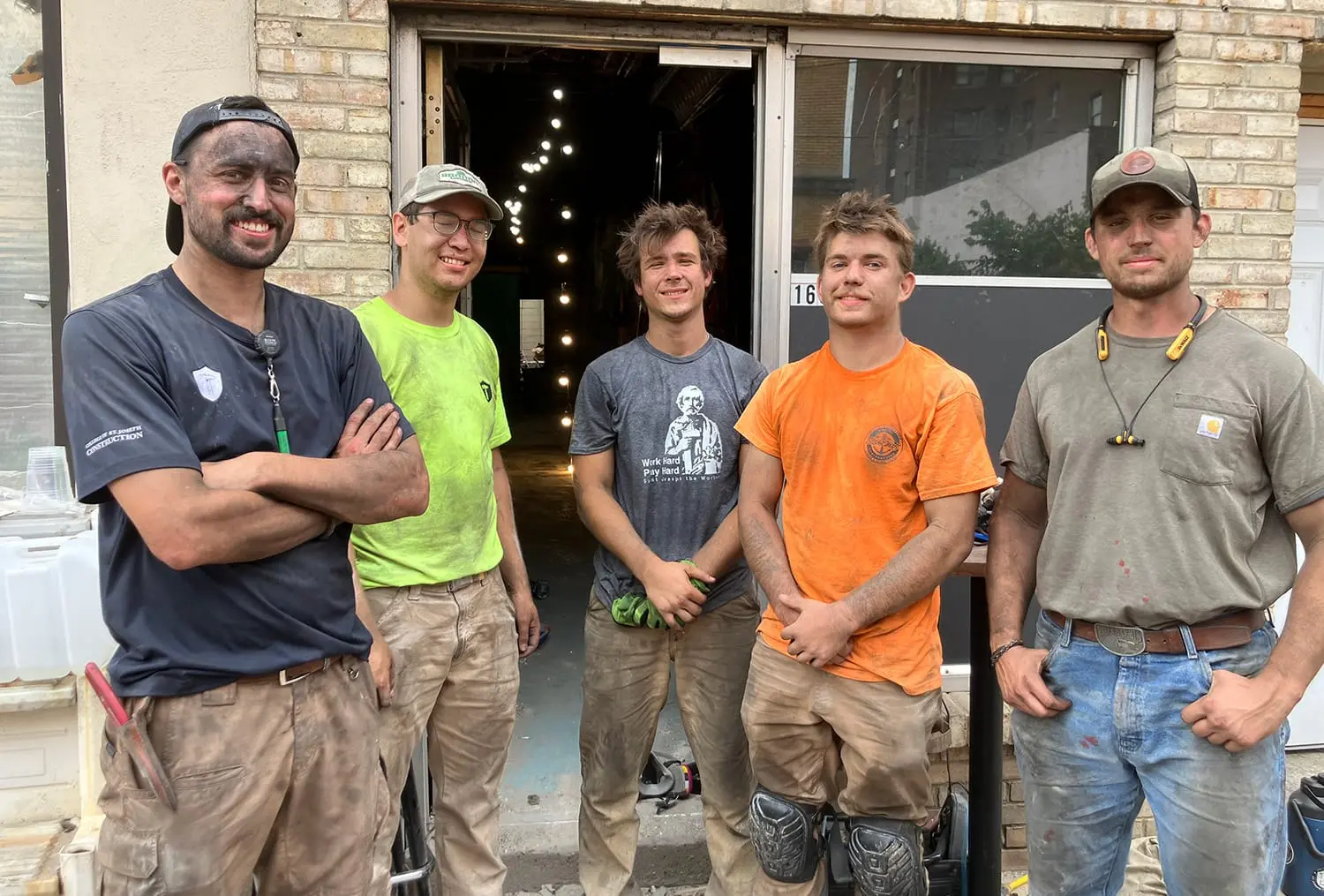
Labor Day is a holiday that highlights the dignity of work, and this year in particular it calls to mind the importance of protecting workers’ needs, especially amid significant technological developments impacting the labor force, according to a Sept. 7 message from the archbishop of Louisville, Kentucky, published by the United States Conference of Catholic Bishops (USCCB).
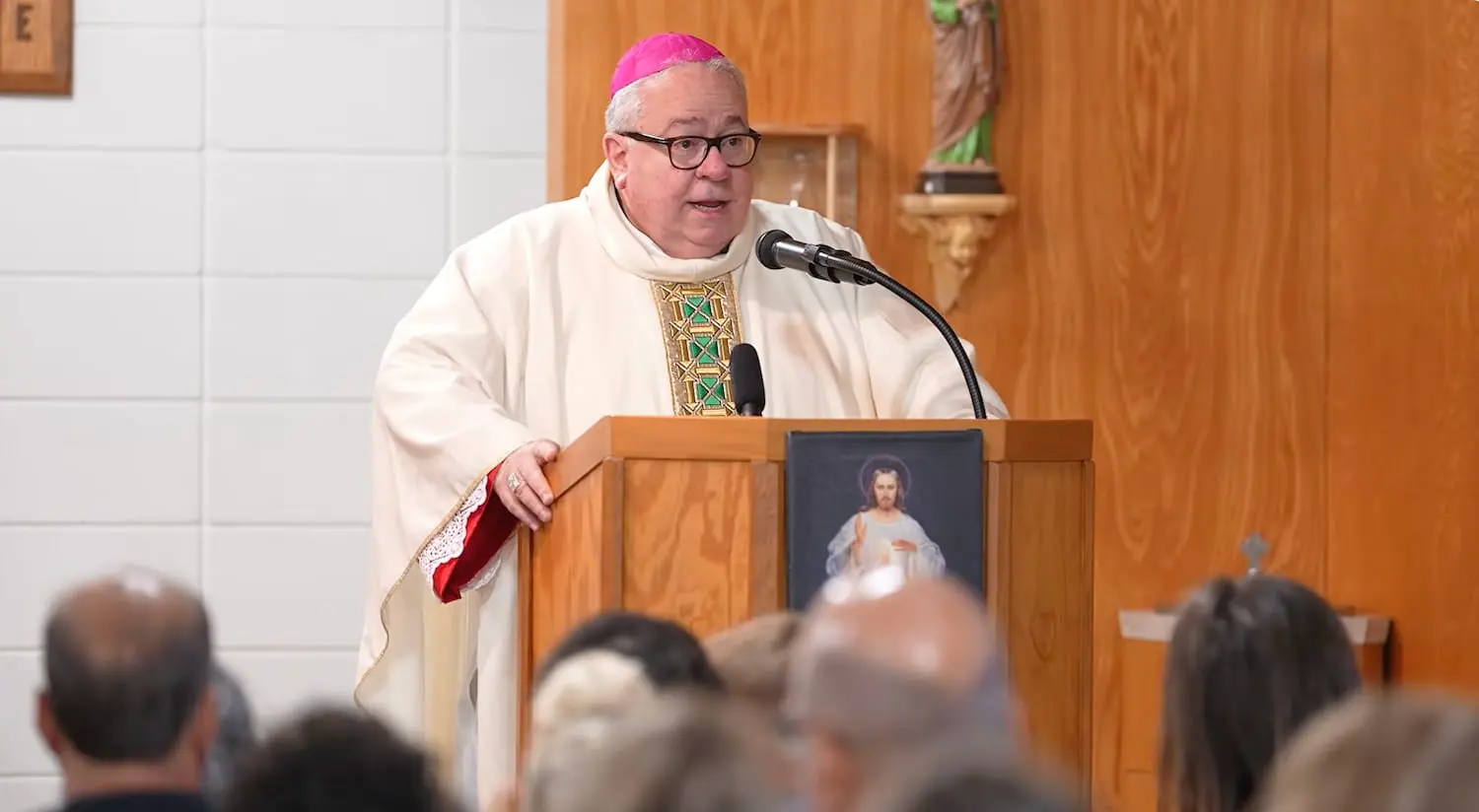
“Work is more than a way to make a living,” Archbishop Shelton Fabre, who chairs the USCCB Committee on Domestic Justice and Human Development, said: “it is a form of participation in God’s creation.”
This Labor Day, the USCCB is focusing on young people and vulnerable communities facing uncertainty in the current economy, he said, outlining a number of challenges posed to communities and family building.
The development of artificial intelligence (AI) has compounded concerns about the workforce and family support, the archbishop noted, saying “there is widespread concern that [AI] will lead to higher unemployment and to fewer jobs that can support a family.”
“Young people have been the most impacted so far and also experience the most anxiety about AI’s impact on their work. We must listen to the experiences of workers, families, young people, and communities of color as they struggle to find stability,” Archbishop Fabre said.
He noted that traditional economic indicators say the economy is growing, but hiring has slowed, particularly for those who are already unemployed. Citing July data from the Joint Center for Political and Economic Studies, Archbishop Fabre noted that unemployment remains high for black workers. Further, he cited January data from the Washington University in St. Louis’ Center for Social Development, stating that roughly one-fourth of the labor force are low-wage workers, and among them, 72% do not have stable and secure jobs. Pointing to October 2024 data from WorkRise, he noted that more than half of low-wage workers are people of color. The archbishop also highlighted that more than 70% of Americans think having children is unaffordable, according to November 2025 data from Brigham Young University.
Church leadership has for years offered guidance on social questions such as workers and employers’ rights. Archbishop Fabre highlighted that as Pope Leo XIV affirmed what previous popes have taught about labor, just wages, dignified work, and support for labor unions, he also recently addressed the new challenges posed by AI in his first encyclical, Magnifica Humanitas.
The Pope notes that while AI brings new opportunities, “it also risks normalizing a vision that is anti-human,” Archbishop Fabre said.
“AI systems can imitate but never replace human intelligence,” he added. “AI cannot feel, love, discern, or receive God’s grace and wisdom. It is not morally neutral and risks creating ‘new forms of exclusion.’ AI must be carefully developed to ensure it serves the common good and humanity itself.”
The Pope has also highlighted that AI poses risks to workers of surveillance, repetitive tasks, reduced agency and creativity, unemployment, job insecurity, concentrated power, and increased inequalities, the archbishop continued. AI also depends on low-wage workers, Archbishop Fabre said, “who are often hidden and who endure harsh conditions, caught in an exploitative supply chain.”
In the face of these challenges, the Pontiff reminds people that dignified work is not simply about being productive, and that just systems protect the human person as a whole.
“Pope Leo calls us to work together to ‘design systems centered on the human person and not solely on performance’ and foster an economy that values the God given dignity of each person,” Archbishop Fabre said. “Dignified work is not merely about productivity, but also participation in God’s creation. A just economy is not judged on profit alone, but on inclusive growth and protection for the most vulnerable.”
Archbishop Fabre noted that the world found itself at the flashpoint of a similar technological turning point during the Industrial Revolution. In response, Pope Leo XIII wrote an encyclical called Rerum Novarum, and “the Church has brought the sacredness of the human person to the questions of work and labor for these last 135 years,” the archbishop wrote.
In the present day, there are many tasks that may seem daunting, such as needing to ensure “just development of AI systems, with worker participation, transparency and accountability,” and “to protect good jobs, offer retraining where needed, and correct the power imbalances that are exacerbated by technology,” he wrote. “And yet, we have been here before.”
The bishops invite everyone to work together in responding to the latest economic challenge, taking up “‘shared responsibility’ to protect the human person and the dignity of work,” the archbishop said.
“As new technology reshapes our economy and our work, let us be ‘builders of communion,’” he remarked, “ensuring that innovation and development is for the benefit of all, not just a few, and that each person can contribute to the Kingdom of God through their work.”






Comments