Macron condemns French riots, acknowledges protesters' grievances
Following violent unrest that left a historic town hall in ruins and thousands arrested, France's president promised accountability while recognizing mounting frustration over education, economic hardship and young people's futures.
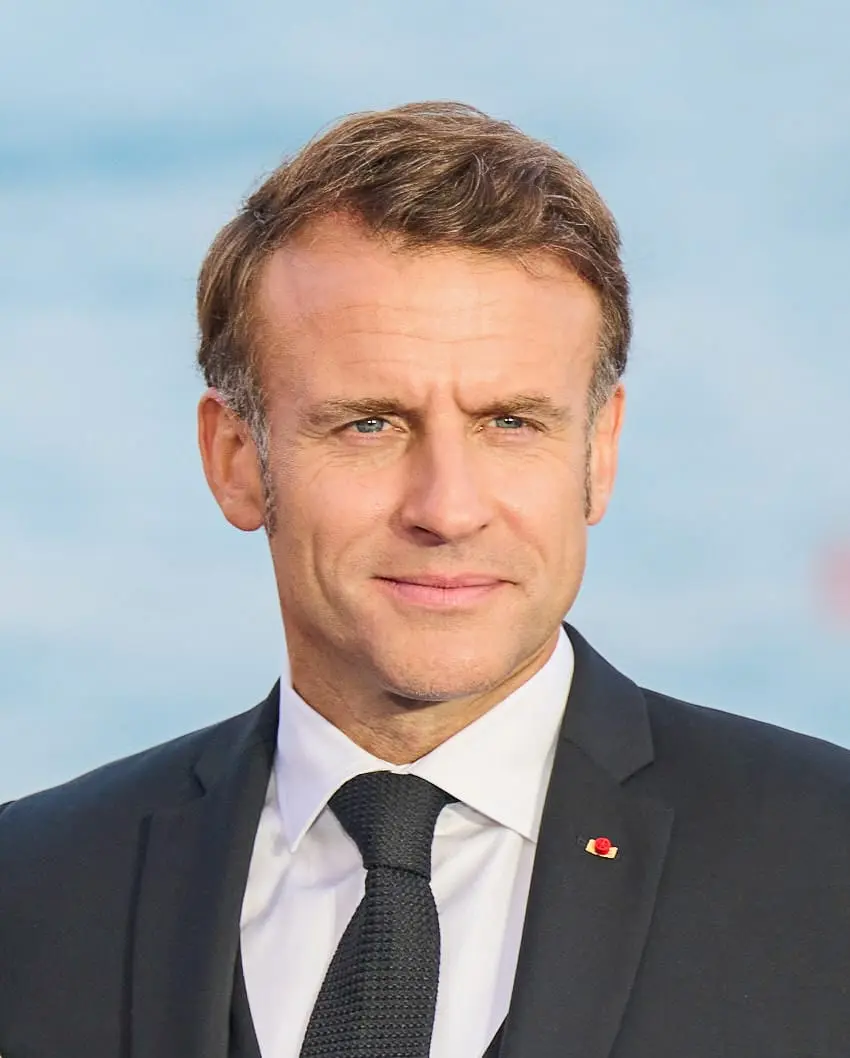
French President Emmanuel Macron vowed Oct. 18 to punish those responsible for widespread violence during nationwide protests, while acknowledging the economic hardships and anxieties that brought hundreds of thousands of French citizens into the streets.
In a televised address broadcast by France 24, Macron condemned attacks on businesses, police and public buildings, including the burning of the historic city hall in Limoges and an attack on the prefect's residence in Bordeaux.
“Nothing can justify their actions,” Macron declared, according to France 24's English interpretation. “Nothing can explain their actions and nothing will excuse their actions.”
Macron blamed far-left extremists and criminal opportunists for the destruction, while insisting that peaceful demonstrators must not be confused with rioters.
AP News reported that approximately 550,000 people participated in 110 demonstrations across France on Oct. 17, according to Interior Minister Laurent Nuñez, while organizers estimated attendance at 800,000.
The protests began in September at high schools in Paris' working-class northern suburbs, where students demonstrated against teacher shortages and deteriorating facilities, according to Al Jazeera. The demonstrations subsequently spread to other French cities.
On Oct. 17, students joined trade unions and supporters of the Yellow Vest movement in nationwide rallies over rising living costs, wages and public services, Al Jazeera reported. France's Yellow Vest movement began in 2018 in opposition to fuel taxes before expanding into broader protests against economic inequality and government policies, according to AP News.
Although most demonstrations were peaceful, violent clashes, looting and arson erupted in several cities. By Oct. 18, authorities reported at least 2,400 arrests, AP News reported separately.
In Limoges, rioters set fire to the city's 19th-century town hall, largely destroying the building and causing its spire to collapse, Euronews reported, citing local authorities.
Macron promised criminal prosecutions, government assistance for affected businesses and a review of the security response.
“For any illegal acts that were committed, there needs to be a response,” Macron said, according to France 24's English interpretation.
He also said local authorities would continue restricting gatherings when necessary to prevent further violence.
“Local prefects will work with mayors to do what they have to do to protect cities, shops, and buildings,” Macron said in the France 24 interpretation.
The government's handling of the unrest has faced criticism. Limoges Mayor Guillaume Guérin called the authorities' failure to contain the violence a “colossal failure of the state,” saying municipal police had exhausted their ammunition during the riots, according to The Guardian.
The government's policing of the broader protest movement has also drawn scrutiny. The Guardian reported Oct. 16 that Nuñez had acknowledged 36 internal investigations into alleged police violence, including incidents in which teenagers suffered severe injuries from police weapons.
According to the same report, the French Justice Ministry said 6,773 minors had been taken into police custody since the school protests began in September. Nuñez denied allegations of excessive policing or repression but suspended the use of stun grenades at school demonstrations.
Macron also acknowledged the grievances behind the protests. In his address, he attributed rising fuel prices partly to the war in the Persian Gulf and recognized young people's concerns about education, employment and their futures.
He pledged discussions involving students, teachers, unions, employers and elected officials to develop concrete solutions.
The unrest comes six months before France's 2027 presidential election, when Macron is barred from seeking a third consecutive term. The Guardian reported that politicians on both the left and right have criticized the government's handling of the violence and have called for Nuñez to resign.
In his address, Macron urged citizens to pursue their demands through democratic debate and elections rather than street violence.
“Yes to dialogue, yes to short-term responses to the situation and long-term responses as well, but no to violence,” he said, according to France 24's English interpretation. “We need to stand united. We need calm and we need respect.”


Comments