Memory keeping for the minimalist
Memory keeping doesn’t have to mean boxes filled with old trophies, scrapbooks, and mementos filed away in a dusty attic. Here's how to manage memories in an orderly system that makes reminiscing a breeze and joy.
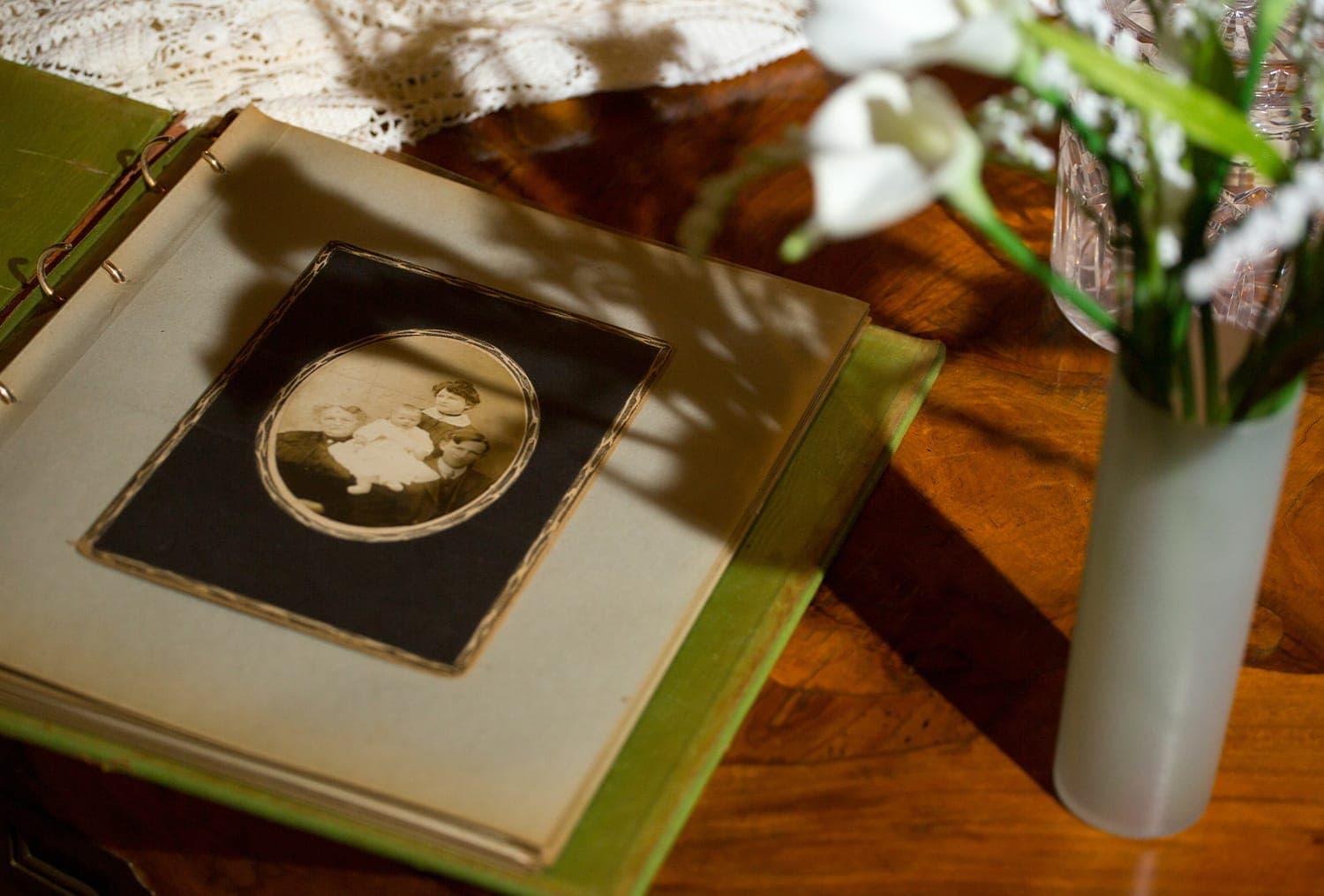
Are you caught in-between the desire to preserve memories and live clutter free? Memory keeping doesn’t have to mean boxes filled with old trophies, scrapbooks, and mementos filed away in a dusty attic.
Whether you’re a minimalist or a maximalist when it comes to chronicling memories, it’s important to have a system in place. Without a system, precious keepsakes can quickly become overwhelming, making them unenjoyable and unapproachable. Before you know it, meaningful memorabilia is left in a box and not doing the important work of telling its story. An orderly system makes reminiscing a breeze and the day-to-day work of memory keeping less intimidating.
Memory keeping systems
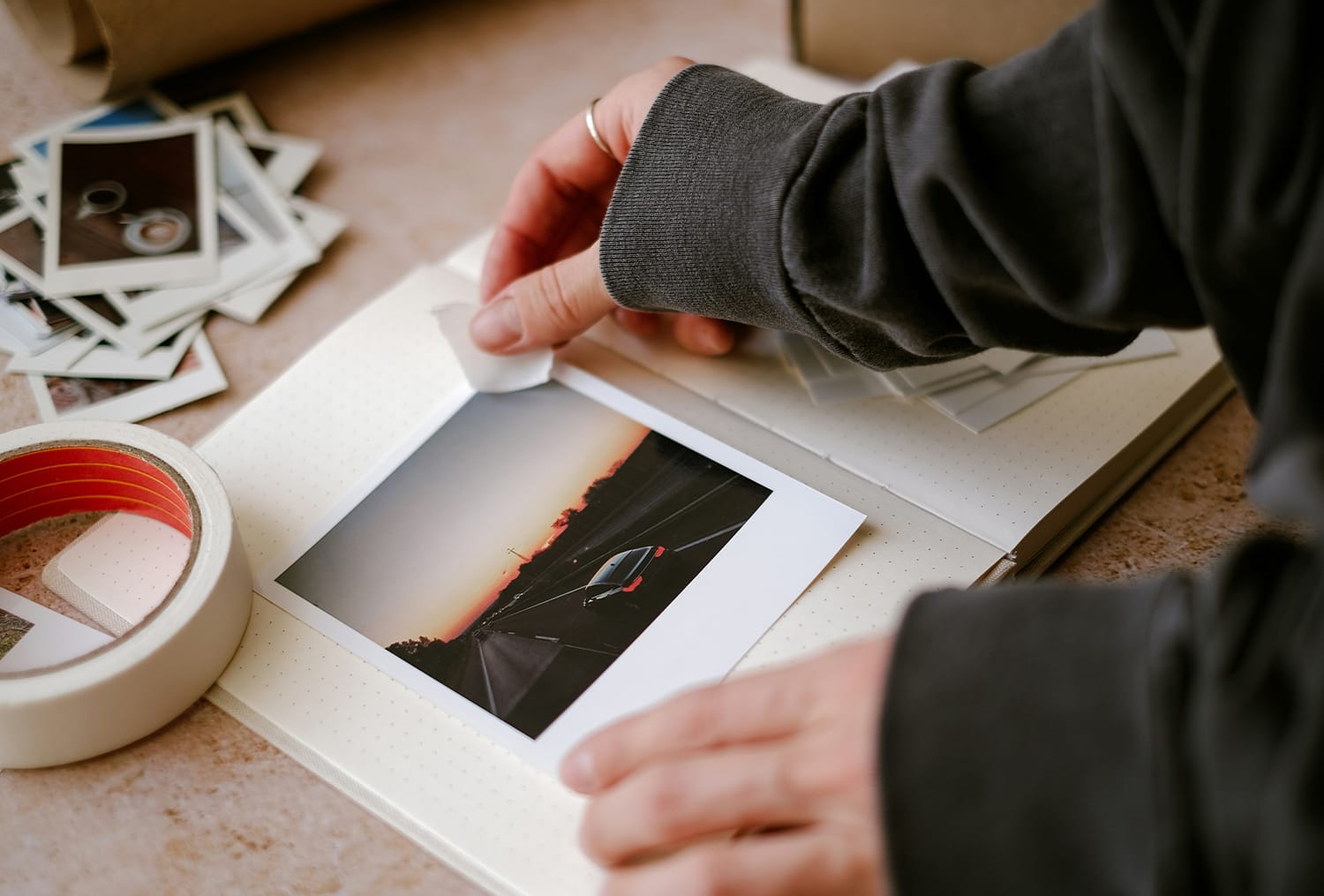
There is no one-size-fits-all system. Each family will have unique ways of collecting memories. Some people rely heavily on photographs while others prefer video; some may want to preserve children’s artwork and others baby clothing. Define your preferences and set the framework for your system, such as an organized digital system for photographs and videos, or specific bins to fit the artwork or clothing.
The benefit of creating a system and specifying storage is the forced physical limitations. If you have one bin per child for their school artwork, there has to be intentionality behind choosing what to keep.
Childhood memorabilia
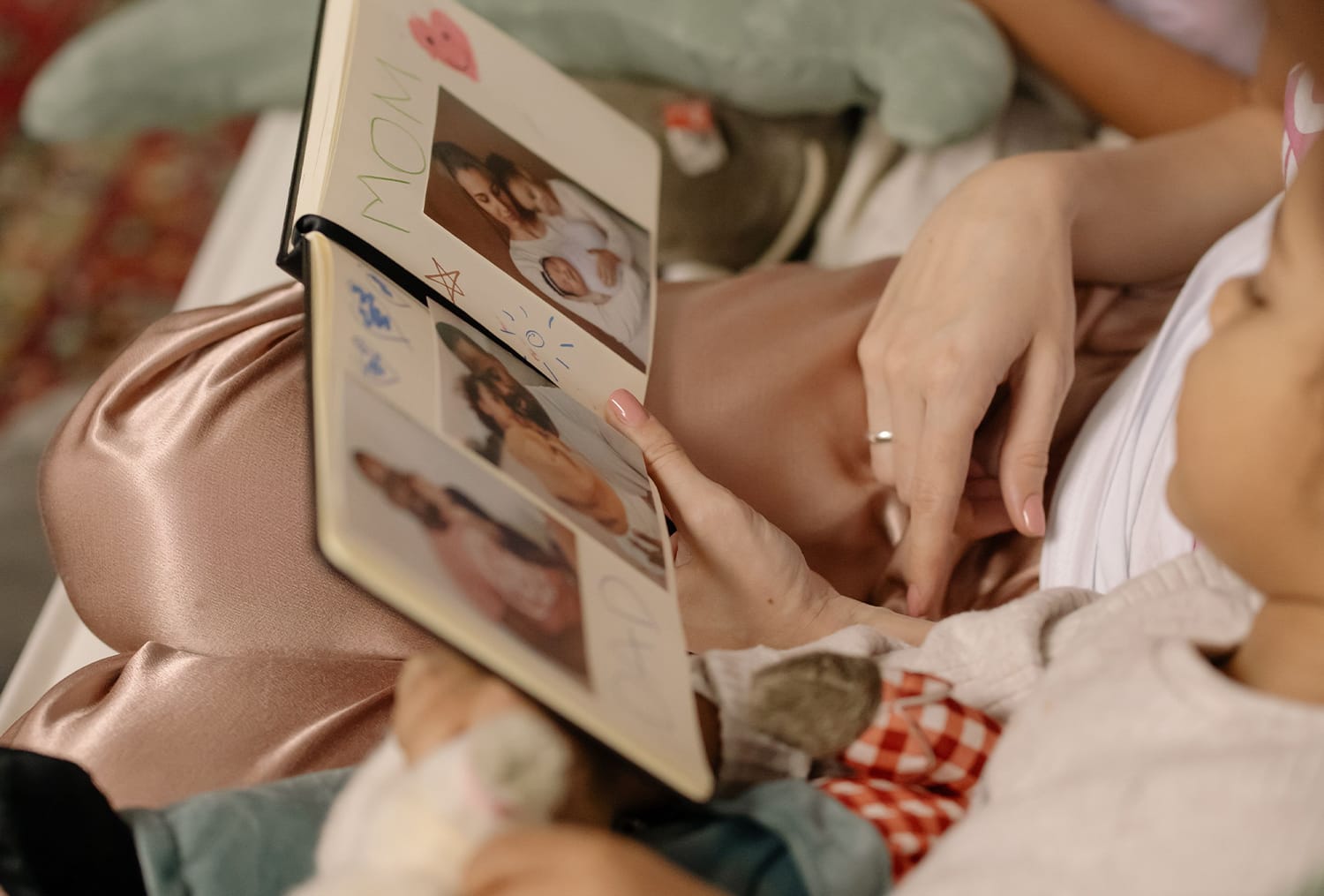
Keepsakes from childhood — whether your own or your children’s — are interwoven with sentimentality. From artwork to school yearbooks, from clothing to trophies, childhood memorabilia is undeniably hard to part with. Designate a frame in the house for rotating kids' artwork. When it’s out of the frame, it’s time to recycle.
Have a binder or a box (or both) for each child and only fill with what can comfortably fit. Use a folder or a sheet protector for storage organized by year in a binder. If there are too many or particularly large items, take pictures of those and create a photo collage for the binder.
As children grow, you will have to continue curating their boxes to make sure they don’t exceed your space constraints. It’s hard work, but years down the road, one orderly box per child will be more inviting for reminiscing than six overflowing boxes.

Memory keeping with video and photographs
Photography and videography has never been more accessible. With this convenience, however, comes an oversaturation of documentation.
Practice minimalism in the photographs you choose to take. Certainly document both important and everyday moments alike, but more often than not, choose to remain present in the moment.
Make small photobooks for each year with your favorite snapshots, print one photo per month for a photo album, or have a picture frame in your home for switching up candids throughout the year. Digital photo frames, such as the Aura, are great for rotating photographs to display.
Family videos are a delight to everyone, especially if you stitch the videos together for viewing ease. Make a yearly video set to music, film a child during their birth month to create a video for each year of their life, or interview members of the family on a cherished holiday. A big benefit? The videos only take up space on your hard drive, not in your attic.
Cards and notes
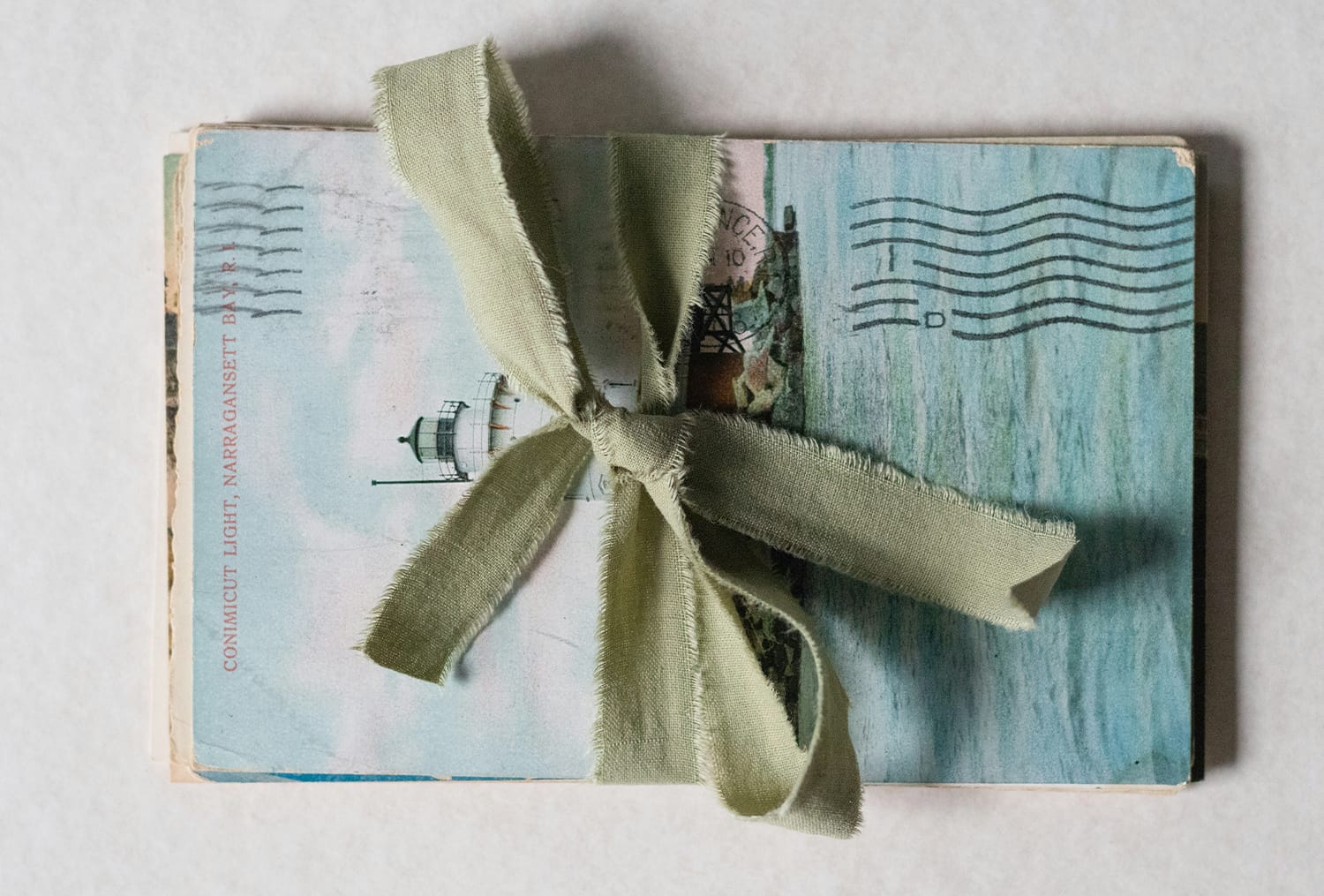
Cards can be difficult to part with, especially for someone whose love language is words of affirmation. Keep a box for preserving cards that you can tangibly hold (aim to keep at least one handwritten note per loved one), but take pictures of the other nice notes and have a special folder on your computer for “Nice things people say.”

Writing down memories
Journaling, even just a few times a year, is great for posterity without taking up too much space. Keep a family journal and take turns writing favorite moments, document trips, tape in concert tickets and airplane boarding passes, and write out funny things that kids say. There are even journals with helpful prompts to get you started.
When done intentionality and with order, memory keeping is a great gift to the future.






Comments