Michigan ballot proposal that deadlocked at state level proceeds to Supreme Court
A proposed citizenship-verification and voter ID amendment is before the Supreme Court after Michigan officials and the amendment's sponsors clashed over a handful of petition signatures that could determine whether it reaches voters in November.
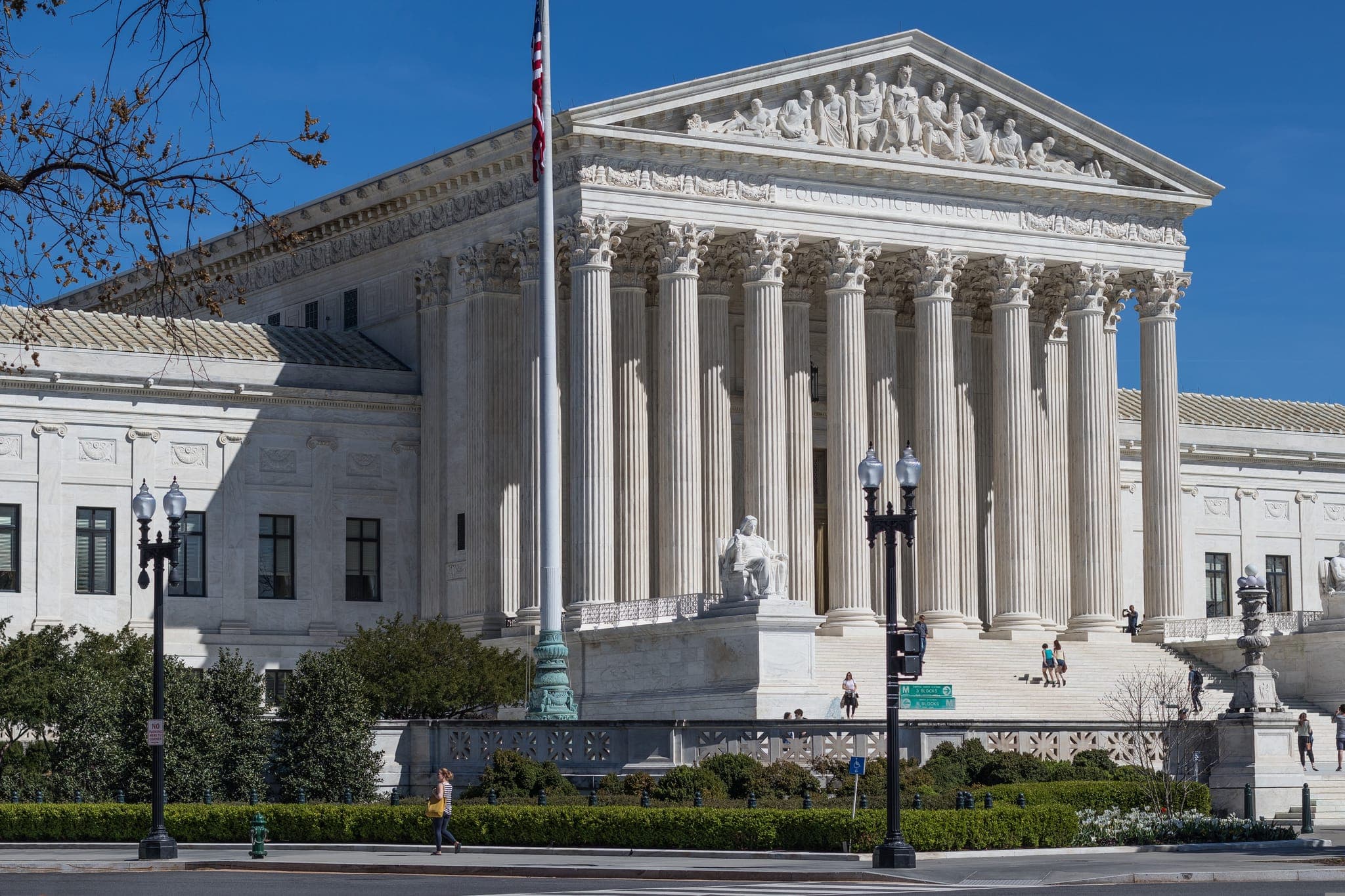
A Michigan petition drive that collected more than 700,000 signatures—far more than the 446,198 valid signatures needed—has landed before the U.S. Supreme Court in an emergency battle over whether disputed signatures should keep a citizenship and voting amendment off the November ballot.
Americans for Citizen Voting–Michigan (ACVM) circulated a petition seeking to amend the Michigan Constitution to require certain citizenship verification measures for voting and valid photo ID for voting in person, WZZM, an ABC affiliate, reported.
ACVM is now asking the Supreme Court for emergency relief that would require the proposal to be placed on the November ballot. Michigan says the secretary of state must issue the November election call to the state’s 83 counties by Sept. 4, the deadline for ballot printing.
The dispute arose after Michigan election officials reviewed a 1,000-signature sample from ACVM’s petition and concluded that the petition was short by a handful of valid signatures it needed to qualify, according to the state’s response opposing the emergency injunction.
ACVM and fellow plaintiff Fred Smith, one of the signers of the petition, say the state wrongly excluded enough signatures to keep the measure off the ballot.
The state’s challenge to the emergency injunction request stated that Smith submitted a sworn, notarized affidavit confirming that he had signed the petition and the electronic copy was too faint to verify. When ACVM produced the original at the Board of State Canvassers meeting, officials disputed whether it could be considered under a 48-hour submission rule, and the Board ultimately deadlocked over accepting Smith’s affidavit, according to the document.
ACVM argues that the state violated the Constitution’s guarantees of due process and equal protection. Michigan says ACVM has not demonstrated that it is likely to succeed on either its due-process or equal-protection claims. In addition, the state argues, the ability to propose a state constitutional amendment through an initiative is a state-created right and does not receive the same constitutional protection as the fundamental right to vote.
Michigan also emphasizes the unusual timing of the case: ACVM approached the Supreme Court only days after filing in the Michigan Supreme Court, before the state court had held a hearing or issued an order. ACVM responds that it acted as quickly as practicable and that waiting for the state courts could effectively prevent the proposal from reaching voters this year.








Comments