Missionaries mark 30th anniversary of rescuing trafficked girls in Philippines
The Mary Queen of Heaven Missionaries, a group dedicated to rescuing victims of prostitution and human trafficking in the Philippines recently noted that more than 60,000 children have benefited from the group’s efforts since its founding 30 years ago.

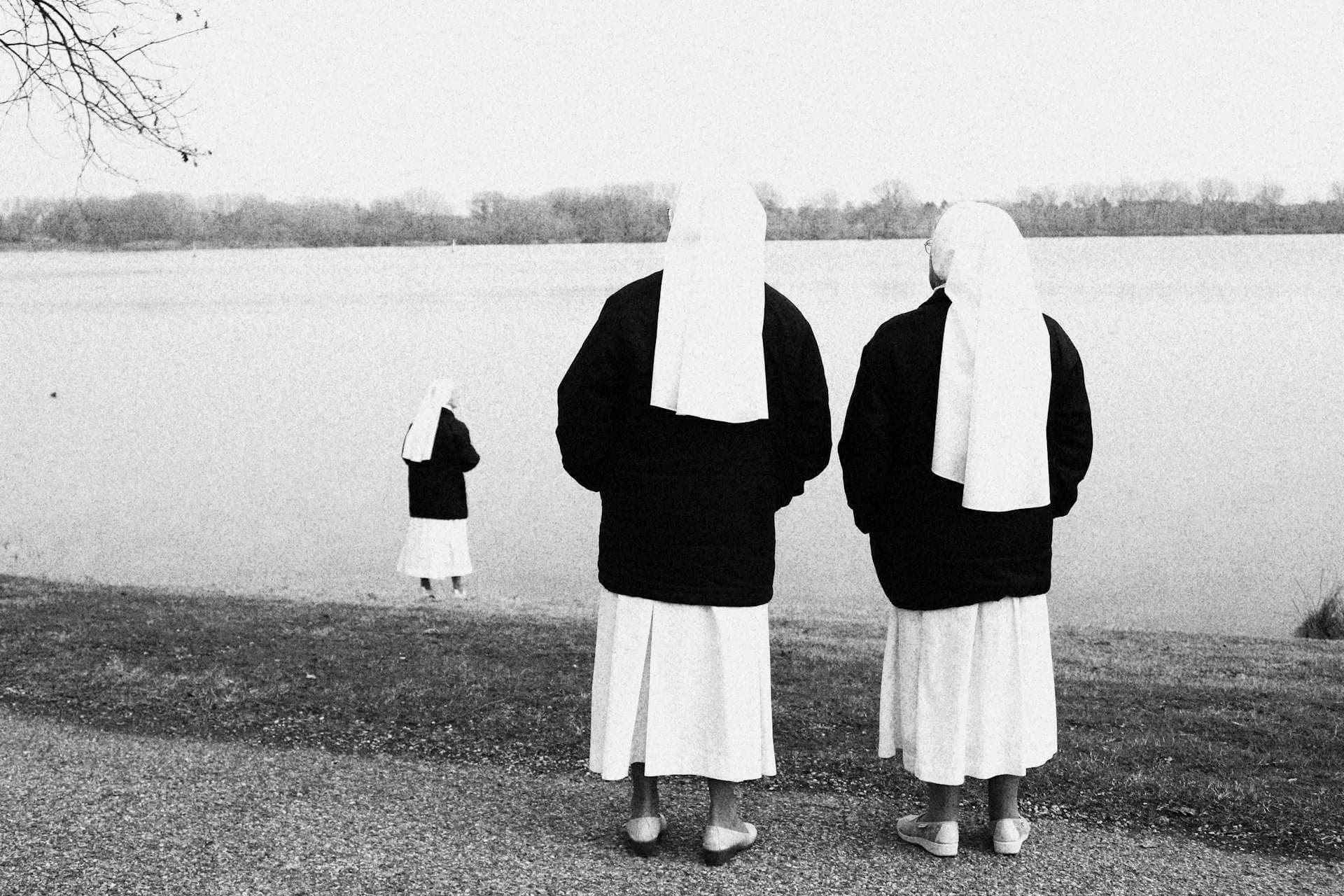
The Mary Queen of Heaven Missionaries, a group dedicated to rescuing victims of prostitution and human trafficking in the Philippines recently noted that more than 60,000 children have benefited from the group’s efforts since its founding 30 years ago.
According to a March 31 press release published on Christian Newswire, the mission was founded in 1996 by Corazon Salazar, a businesswoman who, after encountering children being exploited in parts of Manila, Philippines, entered religious life with six of her friends. Together, they founded a community dedicated to combating human trafficking through education and family outreach efforts.
The seven missionaries, who left behind careers and personal lives to pursue religious formation, built their work on what they described as “faith and determination.” According to the release, the mission has remained rooted in the belief that every child deserves safety, dignity, and hope.
In 2003, the missionaries received official recognition from the Catholic Church, which elevated their organization to a Public Association of the Faithful and enabled them to expand their outreach, according to the release.
Rescue and rehabilitation and education as prevention has served as the two main phases of their efforts, the release noted.
In 2005, the sisters launched the first phase of their mission by opening the Home of Love Rehabilitation and Livelihood Skills Training Center in Bagasawe, Turburan, Cebu, providing housing, spiritual support, and childcare for young mothers.
According to the release, the sisters walk through areas known for prostitution at night, building trust with women and young girls and offering them a path out of exploitation through access to the center’s care and support.
Efforts such as these have contributed to a 93% success rate in assisting women rebuild their lives, where hundreds of women have been rescued, the release noted.
In 2007, they launched the Regina Coeli Education Assistance Program to address poverty in rural communities, an issue described as a “key driver” of human trafficking. The program aims to support families through promoting education as a means to break the cycle of poverty and vulnerability to exploitation.
According to the release, the program spans 27 provinces and 284 municipalities and serves nearly 18,000 children each year.
.jpg&w=3840&q=75)






Comments