Missouri bishops raise concerns over amendment to eliminate state income tax
The bishops said the amendment, which voters will decide on Aug. 4, could disproportionately burden the poor and vulnerable and encouraged a sharp evaluation of the proposed model.

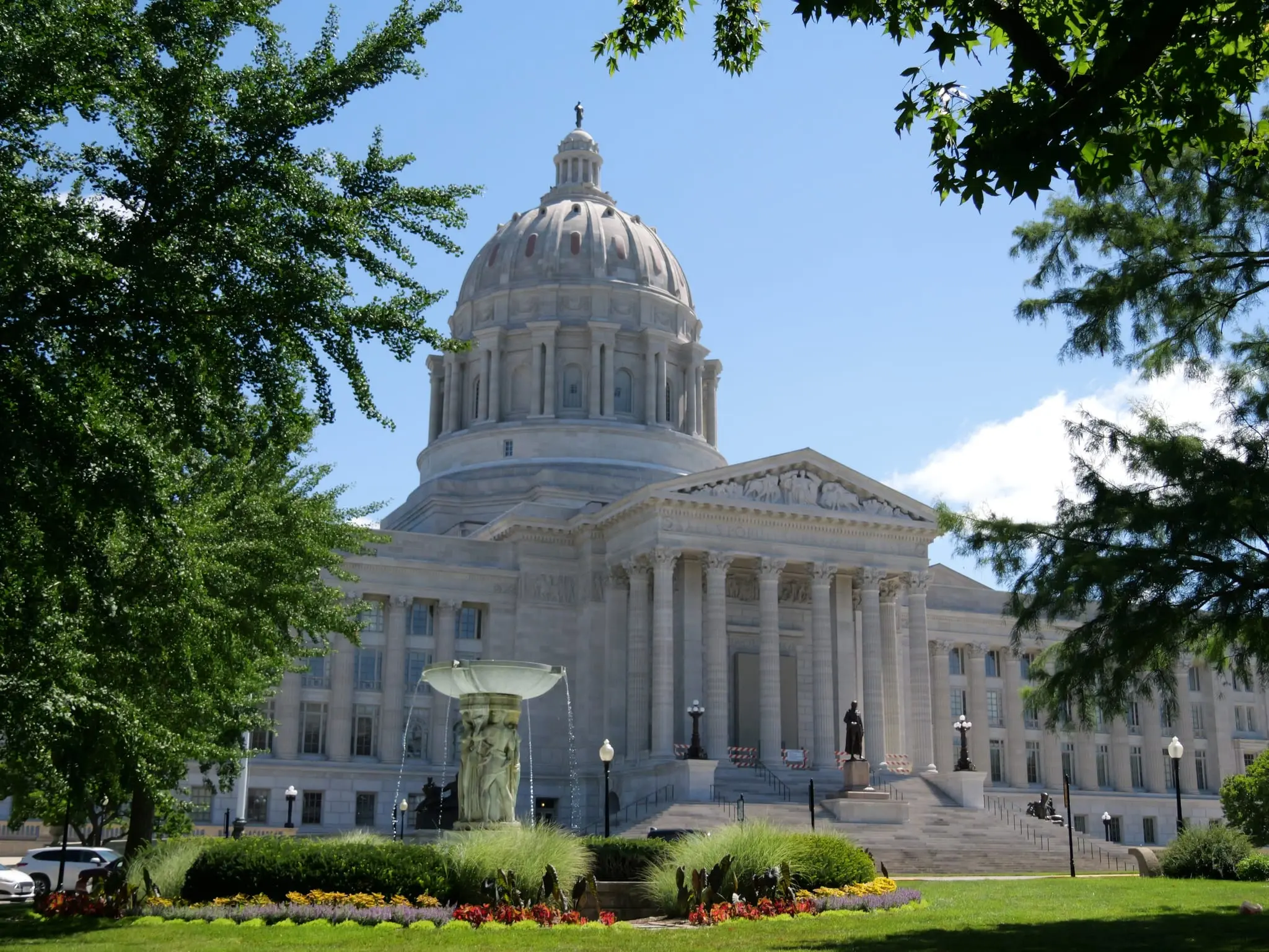
The Catholic bishops of Missouri voiced concerns July 17 about Amendment 5, a ballot measure voters will decide on Aug. 4 that would phase out the state’s individual income tax while permitting greater reliance on sales and use taxes.
If passed, the measure would require the state to gradually eliminate the income tax as state revenue grows and allow lawmakers to extend sales and use taxes to currently untaxed goods and services to help fund income and local tax cuts.
The bishops raised concerns about how the amendment could disproportionately burden those with lower incomes and encouraged a sharp evaluation of the proposed tax model.
“We, the Catholic Bishops of Missouri, are called to bring the light of Catholic social teaching to the decisions that shape the life of our state, particularly when those decisions affect the dignity and well-being of the poor and vulnerable,” the bishops wrote in a July 17 statement from the Missouri Catholic Conference.
The four signatories were Archbishop Mitchell Rosanski of St. Louis, the conference’s general chairman; Bishop James Johnston Jr. of Kansas City-St. Joseph, its vice chairman; Bishop Ralph B. O’Donnell of Jefferson City, its executive chairman; and Bishop Edward Rice of Springfield-Cape Girardeau.
While the Church does not “prescribe any particular” tax model, the bishops said every system should “serve the common good” and reflect a person’s ability to contribute. Citing the U.S. bishops’ 1986 pastoral letter Economic Justice for All, they said tax policy should be judged by its effect on the poor and ensure those “with greater resources bear a proportionately greater share of the public burden.”
“For this reason, tax systems that rely heavily on regressive forms of taxation, such as sales taxes, should be approached with prudence because they can place a disproportionate burden on those with lower incomes,” the bishops added.
Supporters of the amendment, including Republican Gov. Mike Kehoe, argue that eliminating the income tax would encourage work and investment and promote economic growth. Opponents argue that relying more heavily on sales taxes would place a greater burden on middle- and lower-income residents.
The bishops acknowledged supporters’ “sincere desire to promote the long-term prosperity of our state” but urged lawmakers to weigh the proposal's effects on vulnerable residents and preserve charitable giving incentives that support ministries such as food pantries, shelters and maternity homes.
“We encourage the faithful to consider Amendment 5 in light of these principles and to discern this decision thoughtfully,” the bishops said. “We also urge our elected officials, whatever the outcome of this vote, to ensure that the needs of the poor and vulnerable remain at the forefront of public policy.”
They concluded, “May the Lord grant us wisdom to discern what is right, courage to pursue it, and charity to seek the good of all.”








Comments