Netflix just made the best case for tradwives
By simply staying faithful to Caroline's story, Netflix's newest depiction of "Little House on the Prairie" does more to discredit the cartoon version of trad womanhood than scores of online debates and op-eds have managed.
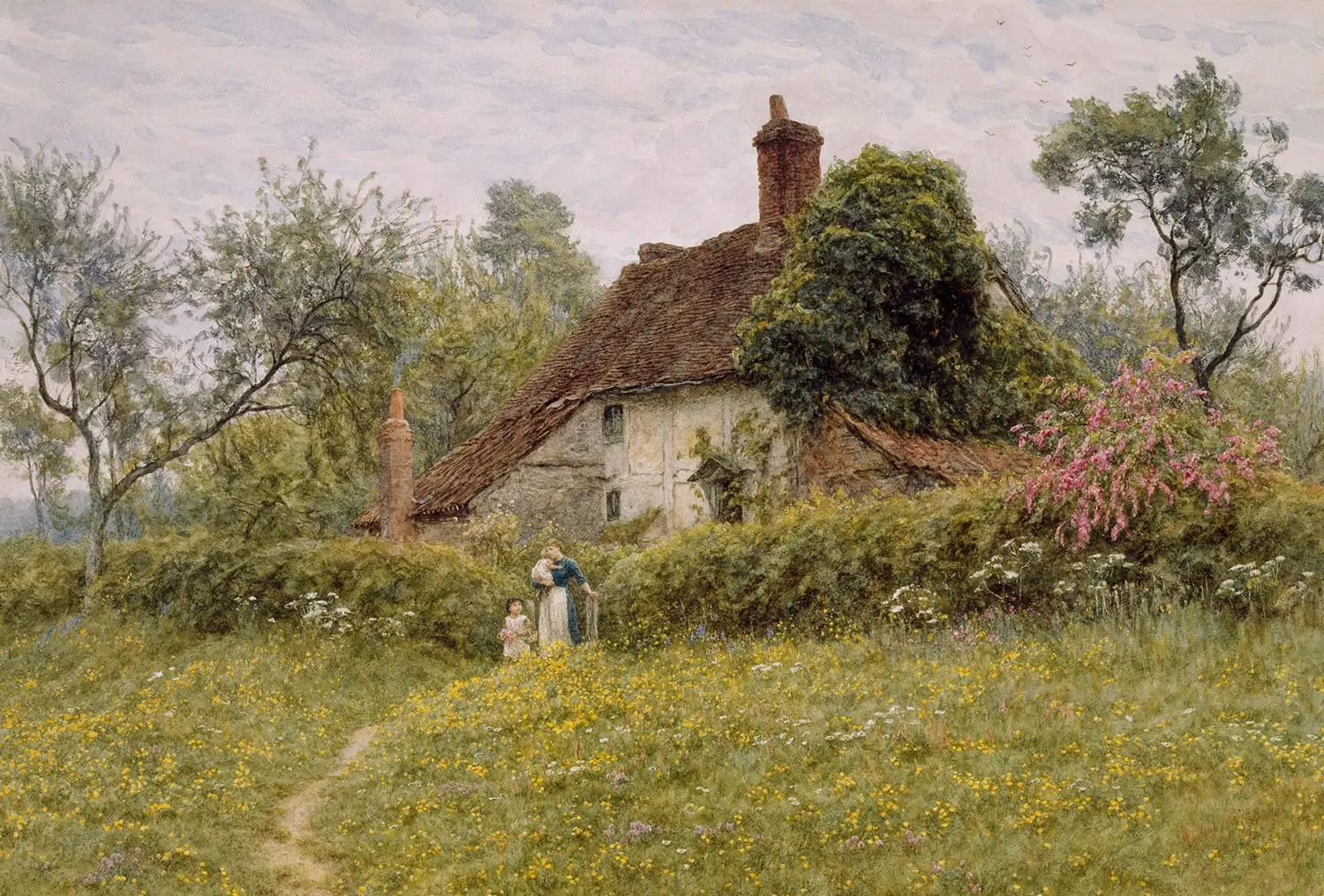
Few words carry the load that tradwife does these days. For some, it's an ideal, for others, an indication of abuse; but if we are to take the words “tradition” and “wife” seriously, it is so much more than either of these. Caroline (Ma) Ingalls ought to be the poster child for the tradwife motif for all the best reasons. She breaks sod on the Kansas prairie beside her husband, she organizes the neighboring wives to bring in a hail-ruined wheat harvest by hand, and she sells eggs to the local mill for cash. She is certainly the type of gal who makes things happen. According to her own daughter, when Charles (her husband) is hurt in an accident, she takes a paying job at a restaurant and keeps it until the family moves on.
Netflix's new Little House on the Prairie reboot embraces this portrayal of Caroline Ingalls. Like many, I was skeptical when the show was announced, due to Netflix’s history of turning our favorite stories into “woke” adaptations, and of all books, this would have been the most inappropriate one for such pontificating. Nonetheless, I was pleasantly surprised. The Netflix show somehow managed to quiet the noise around the tradwife debate and focus on who Caroline and her family really are. By simply staying faithful to Caroline's story, the show did more to discredit the cartoon version of trad womanhood than all those op-eds have managed.
A snapshot, not a tradition
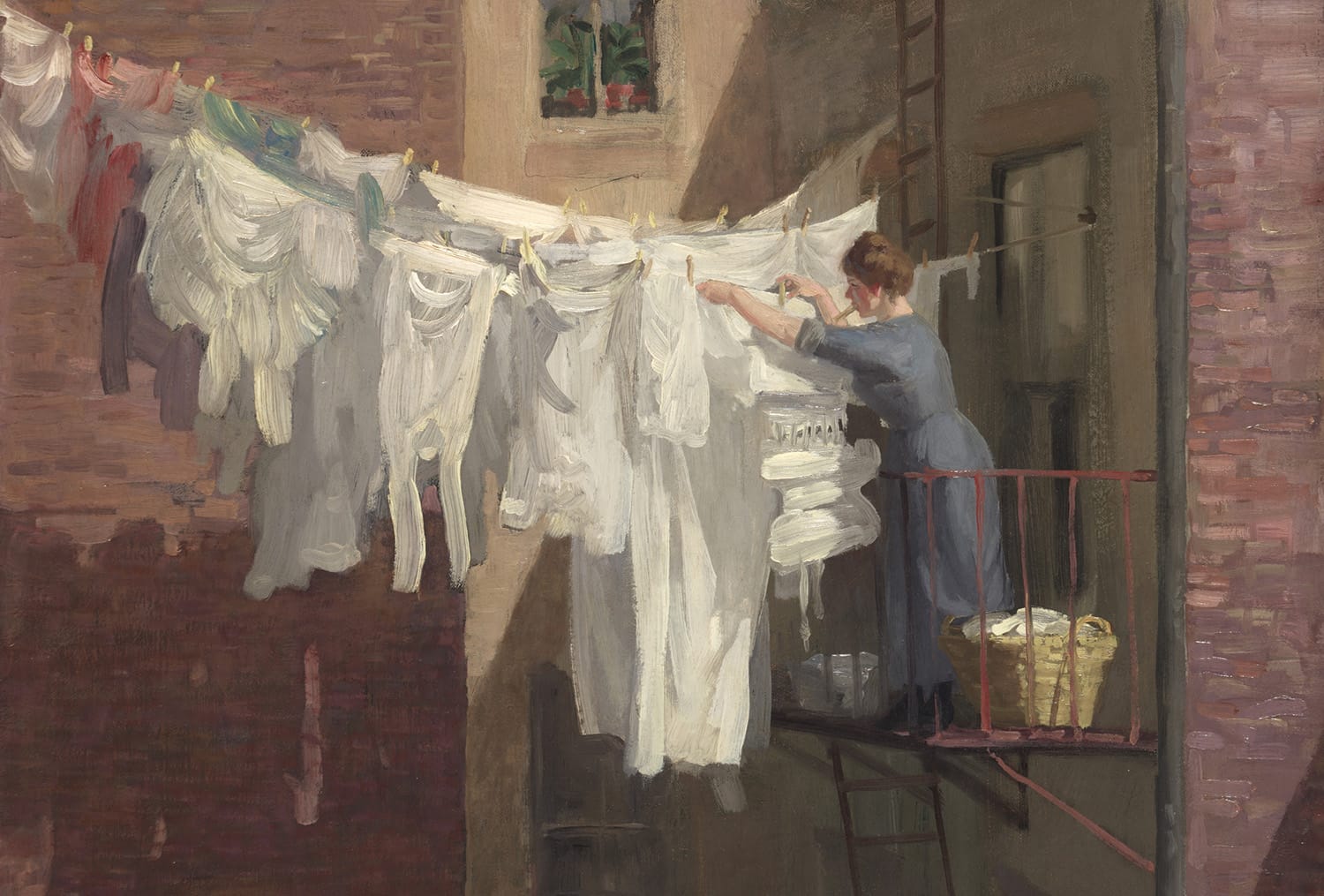
The term "tradwife" has mostly focused on the picture of a 1950s stay at home wife with an apron, a roast in the oven, a few rolls in her hair, and a perfectly clean house with a white picket fence. But that image isn't tradition, it's a very specific product of the 1950s post-war boom, a decade when suburban single-income households became broadly affordable and women who'd worked factory jobs during the war were pushed out of the factories and back into homes to make room for returning soldiers who needed jobs. It was a unique moment, but not a tradition. Treating it as the template for "how women have always been" is like treating a lottery winner's mansion as the historical baseline for housing.
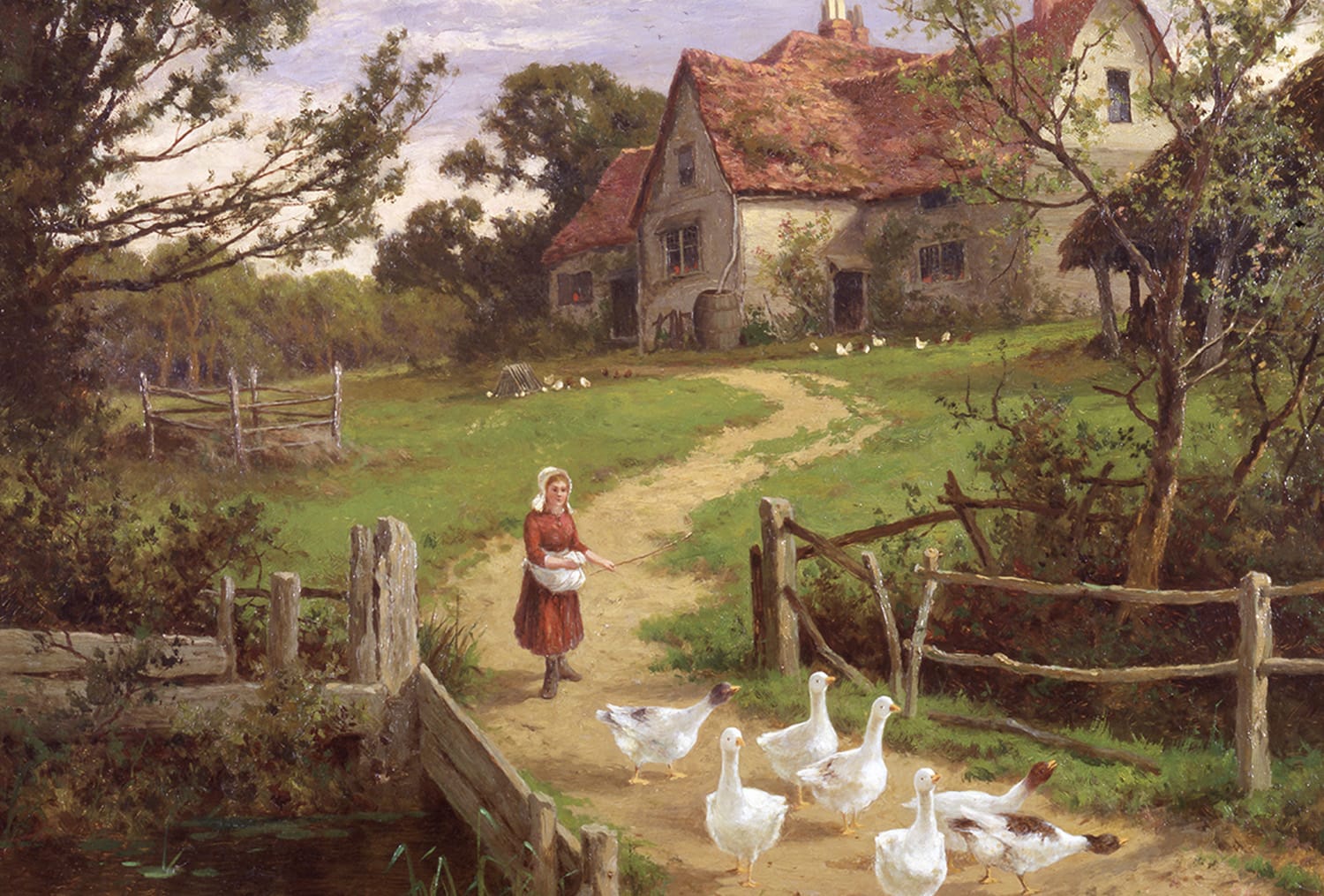
So what did women actually do for most of history, before "tradition" got frozen in 1955? They worked out of financial necessity rather than a lifestyle choice, contrary to much of tradwife culture’s portrayal. Colonial "goodwives" ran household production economies — spinning, weaving, brewing, preserving food, tending livestock, selling or bartering the surplus — often while their husbands were away for months due to war, working as sailors, or taking on jobs in neighboring towns.
There’s an iconic scene in HBO’s John Adams series showcasing Abigail — a woman who technically “never worked” — melting metal and making bullets for the soldiers with her children. When she senses danger, she grabs a rifle and protects her children. It would be unfair to say that these women’s labor throughout history doesn’t count and only their entrance to the corporate world does.
The reality of home-economies
This home-economics model expanded to public life, and it's the real tradition of wives. In artisan households of the era, the whole family was a part of the business: The father might be the baker, the children apprenticed into the trade from childhood, and the mother kept the books. Nobody's wife spent the day cooking and cleaning in isolation. She was, functionally, a co-owner. Caroline Ingalls fits this pattern exactly and this is what has traditionally been the norm. Ma is a woman who put her family first, which meant doing whatever work the family's survival required, paid or unpaid, inside the house or outside it.
This is what the modern tradwife debate keeps skipping past: Couples who function as an actual economic team tend to do better, not worse, than couples where one partner is financially walled off or they operate as separate financial entities. A study of over 1,000 Danish couples found that when spouses started a business together, both partners, but especially wives, saw significant income gains, both while the business ran and after it ended. Married couples overall carry higher household wealth than unmarried individuals, and married men with children make more than unmarried ones. The data points the same direction the history does: Two people rowing the same boat succeed more than one person rowing while the other watches from shore. That, not the apron, is the actual core of the tradwife instinct. It’s not a woman who withdraws from the family's finances, but one who is an active participant in it.
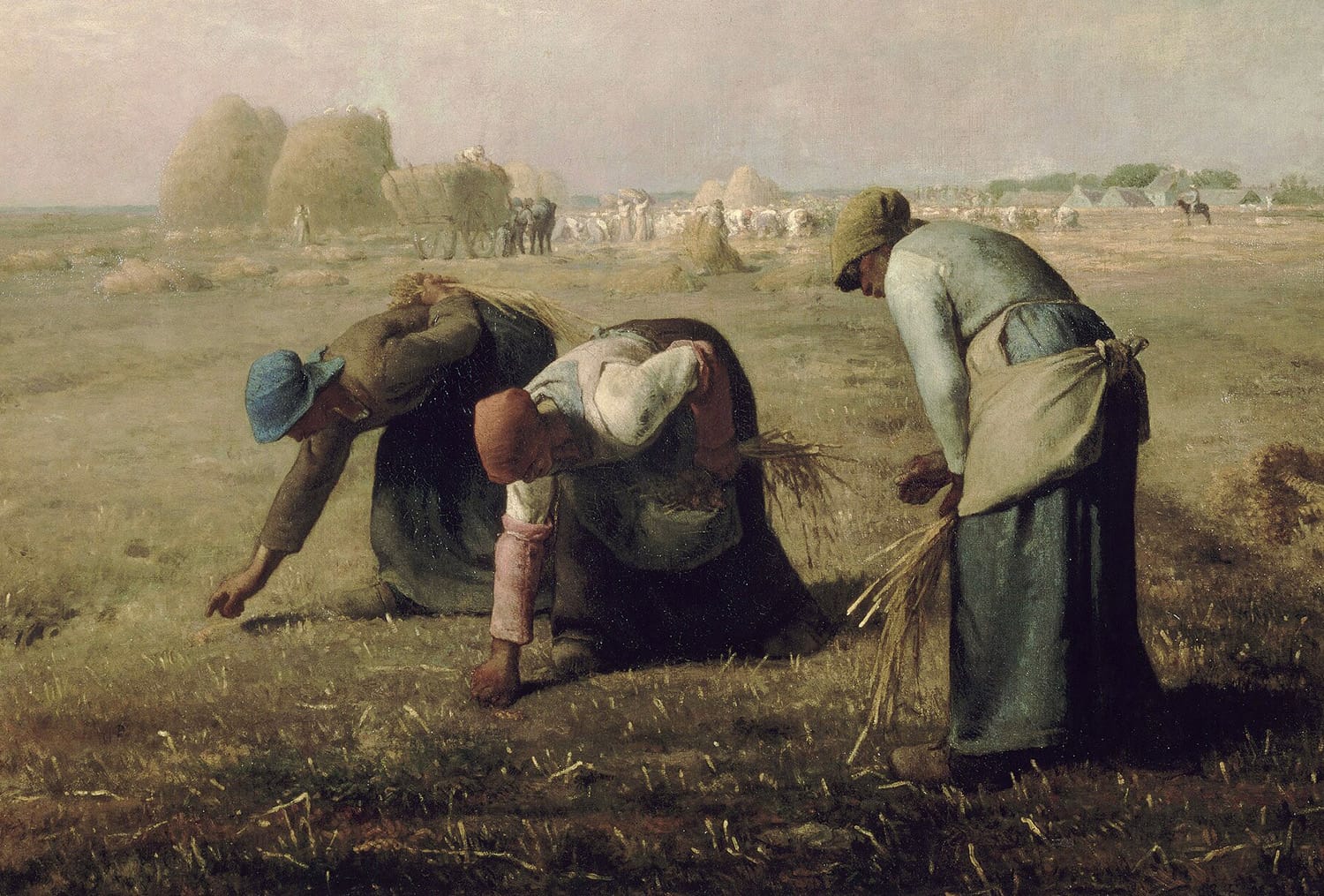
The corporate office in the 1970’s made women’s work visible in matters of a taxable salary and a cubicle in a downtown high rise, but their efforts have been underway much earlier. Before that, and for the overwhelming majority of human history, women worked as a matter of need, and nobody thought it made them less devoted wives or mothers.
The value of Ma Ingalls’ example
The loudest critics of the tradwife aesthetic, who claim that it is regressive, infantilizes women, and drags us backward, simply miss the target. A woman who works, contributes financially, and still centers her family isn't the exception to trad womanhood. Rather, Caroline Ingalls, the goodwives, the baker's wife, and the balance sheets of modern dual-income couples proves she's the rule to tradition. Good for Netflix telling the truth about Laura Ingalls’ positive recorded experience valuing her mother’s work in their prairie home economy.



Comments