Pew finds nearly half of Americans listen to religious radio, podcasts
Nearly half of all U.S. adults say they ever listen to religious audio programs, such as radio and podcasts, with many saying they are drawn by music and a breakdown of news through a religious lens, according to a recent Pew Research Survey report.

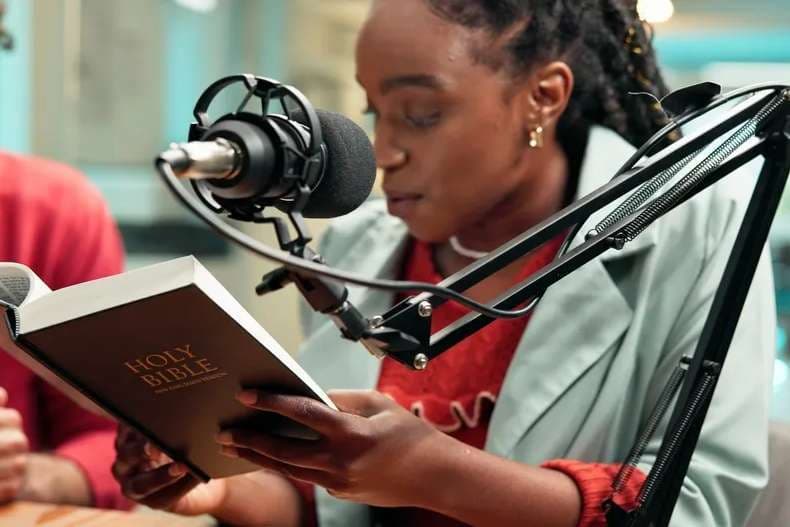
Nearly half of all U.S. adults say they ever listen to religious audio programs, such as radio and podcasts, with many saying they are drawn by music and a breakdown of news through a religious lens, according to a recent Pew Research Survey report.
Pew found that nearly all Americans (98%) live within the local coverage range of at least one religious radio station, most of which are Christian stations. Forty-five percent of Americans listen to some form of religious audio programs. Of that share, about three-quarters at least occasionally listen to the radio. Many also say they listen on podcasts or streaming services, which Pew noted now carry much of the same programming found on radio.
According to Pew, the majority of U.S. adults do not listen to religious audio programming to keep up with current events. The stations that do present coverage of news and current topics tend to focus on the economy, crime, and immigration, as well as abortion and LGBT issues.
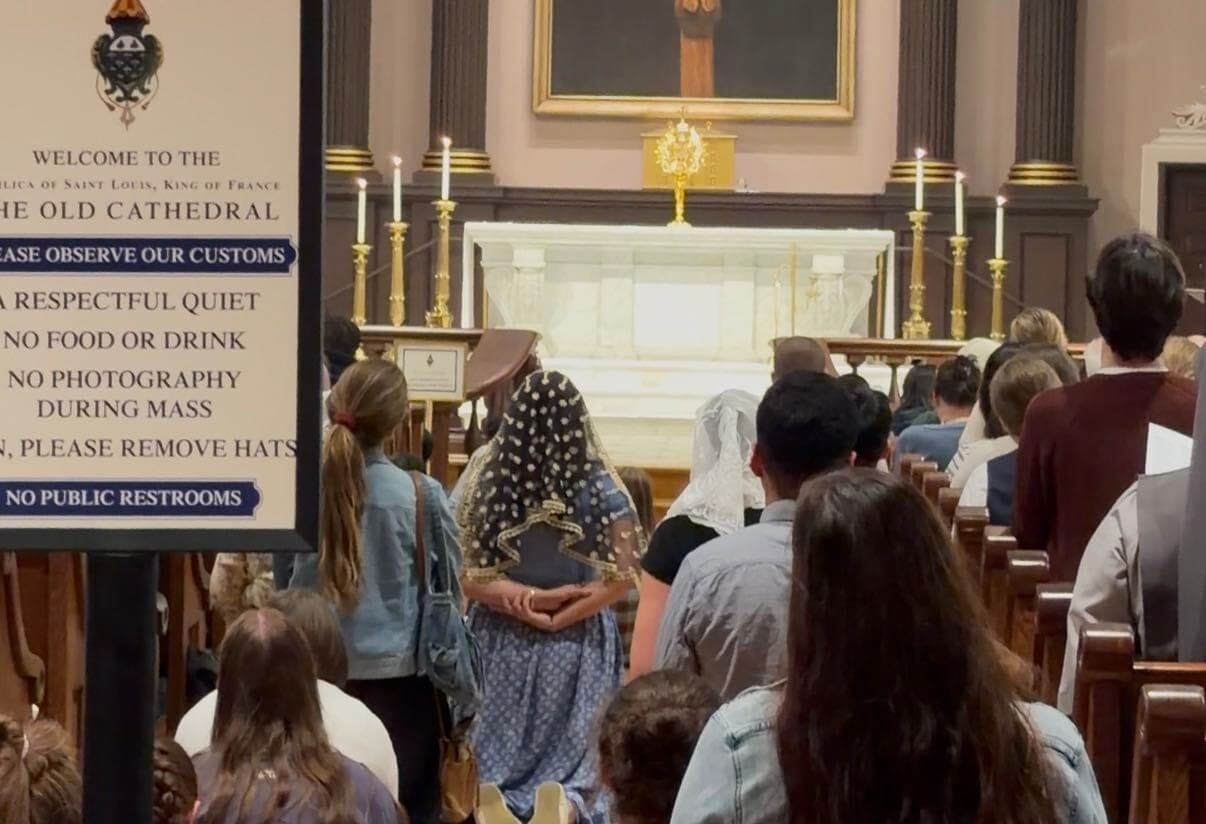
According to Pew, 8% of all religious radio stations are Catholic. While religious radio stations tend to split their broadcast time between music and spoken content — which includes talk radio and religious services or sermons — a noticeable split appeared in the content of Christian and Catholic stations. Catholic stations tend to air more talk programming than other religious stations, dedicating just 11% of airtime to music.
Further, Catholic stations tend not to carry common Christian talk shows like Unshackled, Turning Point, and Focus on the Family, even though those programs are carried by about half of religious stations.
“In fact, the typical schedule for a Catholic station has essentially no overlap with non-Catholic religious stations,” Pew noted, adding that Catholic stations generally use talk shows led by a host, featuring discussions, monologues, commentary, guest interviews and more.
Catholic talk radio is also more likely than Christian shows to discuss family, parenting, and education (25% of airtime vs. 18%). Christian shows are also twice as likely to give airtime to pop culture and entertainment (13% vs. 6%).



Comments