Pope Leo appoints Harvard professor to Pontifical Academy of Social Sciences
Pope Leo appointed Tyler VanderWeele, a Harvard professor and expert on religious practice and happiness, to the Pontifical Academy of Social Sciences.
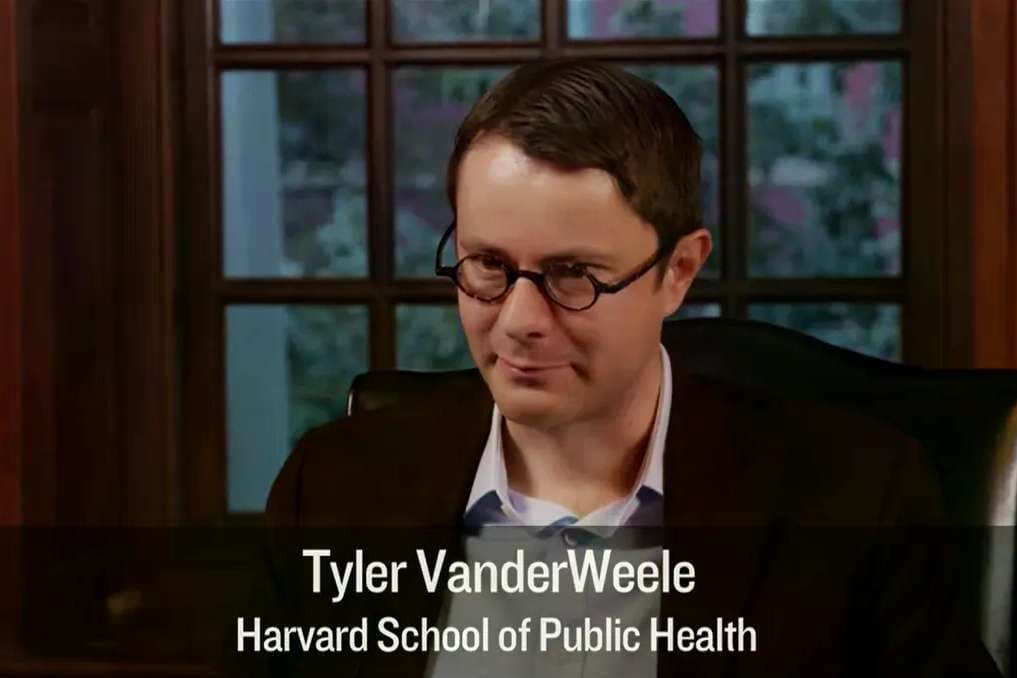
Pope Leo XIV appointed Tyler VanderWeele, a professor of epidemiology at Harvard University and expert on the relationship between religious practice and happiness, to the Pontifical Academy of Social Sciences Feb. 16.
VanderWeele is the John L. Loeb and Frances Lehman Loeb professor of epidemiology at the Harvard T.H. Chan School of Public Health. He also serves as director of the Human Flourishing Program and co-director of the Initiative on Health, Spirituality, and Religion at Harvard University.
VanderWeele, who holds degrees in mathematics, philosophy, theology, finance, and biostatistics, has published research on myriad subjects. His most recent book is A Theology of Health: Wholeness and Human Flourishing.
VanderWeele’s writings are not limited to academic works.. A regular contributor to Psychology Today, he has written essays on topics such as the importance of community and how practicing forgiveness helps people live happier lives.
The Pontifical Academy of Social Sciences, which was established by Pope Saint John Paul II in 1994, aims to promote interdisciplinary work between theology and the social sciences.
In 2021, several graduate students at Harvard called for VanderWeele to be fired or barred from teaching after he signed an amicus brief opposing a federal, constitutional right to same-sex marriage, according to The Harvard Crimson.
VanderWeele, however, has said he believes that intellectual diversity can help people to discover the truth, including those in the pontifical academy.
“When we engage with people with different ideas, we come to understand our own positions better and our own reasons for believing what we do,” he wrote in Psychology Today in November 2025. “We also come to understand other people better, and their reasons for holding the positions that they do.”
“Sometimes we realize that we are wrong and change our thinking,” he wrote.“Sometimes we can help other people change their thinking. Even when we still disagree, there can be a better sense of what we hold in common, and also a better sense of the reasons for our disagreements.”


Comments