Pope Leo highlights prophetic witness of consecrated life on Feast of the Presentation
On the Feast of the Presentation of the Lord, Pope Leo XIV spoke of consecrated religious life as a prophetic witness, saying the vocation remains a vital sign of God’s saving presence in a world marked by conflict and confusion.

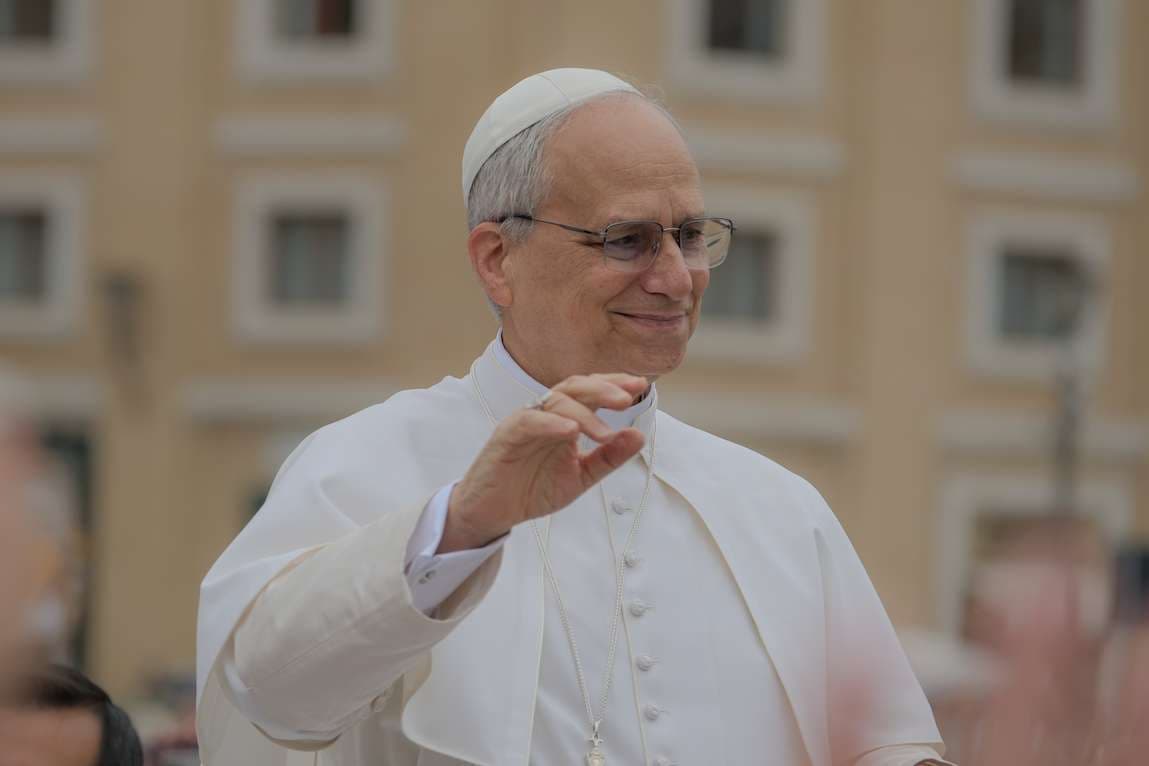
On the Feast of the Presentation of the Lord, Pope Leo XIV spoke of consecrated religious life as a prophetic witness, saying the vocation remains a vital sign of God’s saving presence in a world marked by conflict and confusion.
In a Feb. 2 homily during Mass in St. Peter’s Basilica, which coincided with the 30th World Day of Consecrated Life, Pope Leo reflected on the Gospel account of Simeon and Anna recognizing the infant Jesus in the Temple. He described the scene as “a meeting between two movements of love: that of God, who comes to save his people, and that of humanity, which awaits his coming with vigilant faith.”
The Pope emphasized that Jesus’ presentation as the child of a poor family reveals the humble manner of God’s saving action.
“There is nothing coercive in his actions; there is only the disarming strength of his unarmed generosity,” he said, adding that Christ gives Himself “with full respect for our freedom, fully sharing in our poverty.”
Turning to religious men and women, Pope Leo said the Church looks to consecrated life as a visible sign of this same dynamic of self-offering.
“As Pope Francis exhorted, ‘Wake up the world, since the distinctive sign of consecrated life is prophecy,’” he said. “The Church asks you to be prophets — messengers who announce the presence of the Lord and prepare the way for him.”
Drawing on imagery from the prophet Malachi, the Pope said consecrated people are called, through a generous self-emptying, to become “braziers for the Refiner’s fire and vessels for the Fuller’s soap,” so that Christ may “melt and purify hearts with his love, grace and mercy.”
He stressed that this mission is lived primarily through “the sacrificial offering of your lives, rooted in prayer and in a readiness to be consumed by charity.”
Their witness, he said, often unfolded in difficult circumstances. Through grace, they became “a prayerful presence in hostile or indifferent environments,” “a generous hand and a friendly shoulder amid degradation and abandonment,” and “witnesses of peace and reconciliation in situations marked by violence and hatred,” at times even to the point of martyrdom, he said.
Quoting Pope Benedict XVI, Pope Leo said that Scripture itself is best understood when read through the lives of those who have lived it, describing consecrated men and women as protagonists of a “prophetic tradition, wherein the word of God sets the prophet’s very life at its service.”
Addressing contemporary challenges, the Pope said consecrated life continues to bear witness to human dignity “even within a society in which false and reductive understandings of the human person increasingly widen the gap between faith and life.” He said religious communities are called to testify that “the young, the elderly, the poor, the sick and the imprisoned hold a sacred place above all else on God’s altar and in his heart,” and that each person is “an inviolable sanctuary of God’s presence.”
He pointed to religious communities serving in places of conflict and instability as examples of this witness, describing them as “outposts of the Gospel” that remain with their people despite danger and insecurity. Their presence, he said, proclaims Christ’s words: “Take care that you do not despise one of these little ones.”
In the final part of his homily, Pope Leo reflected on Simeon’s prayer, the Nunc Dimittis, which the Church prays daily. He said consecrated life expresses a freedom rooted in hope for what is eternal, allowing those who live it to stand free before both life and death, with their gaze fixed on “the promise of the world to come.”
Pope Leo thanked religious men and women for their witness and encouraged them “to be leaven of peace and signs of hope wherever Providence may lead you,” entrusting their mission to the intercession of Mary and their holy founders and foundresses.

Comments