Pope urges dialogue as US-Cuba tensions rise
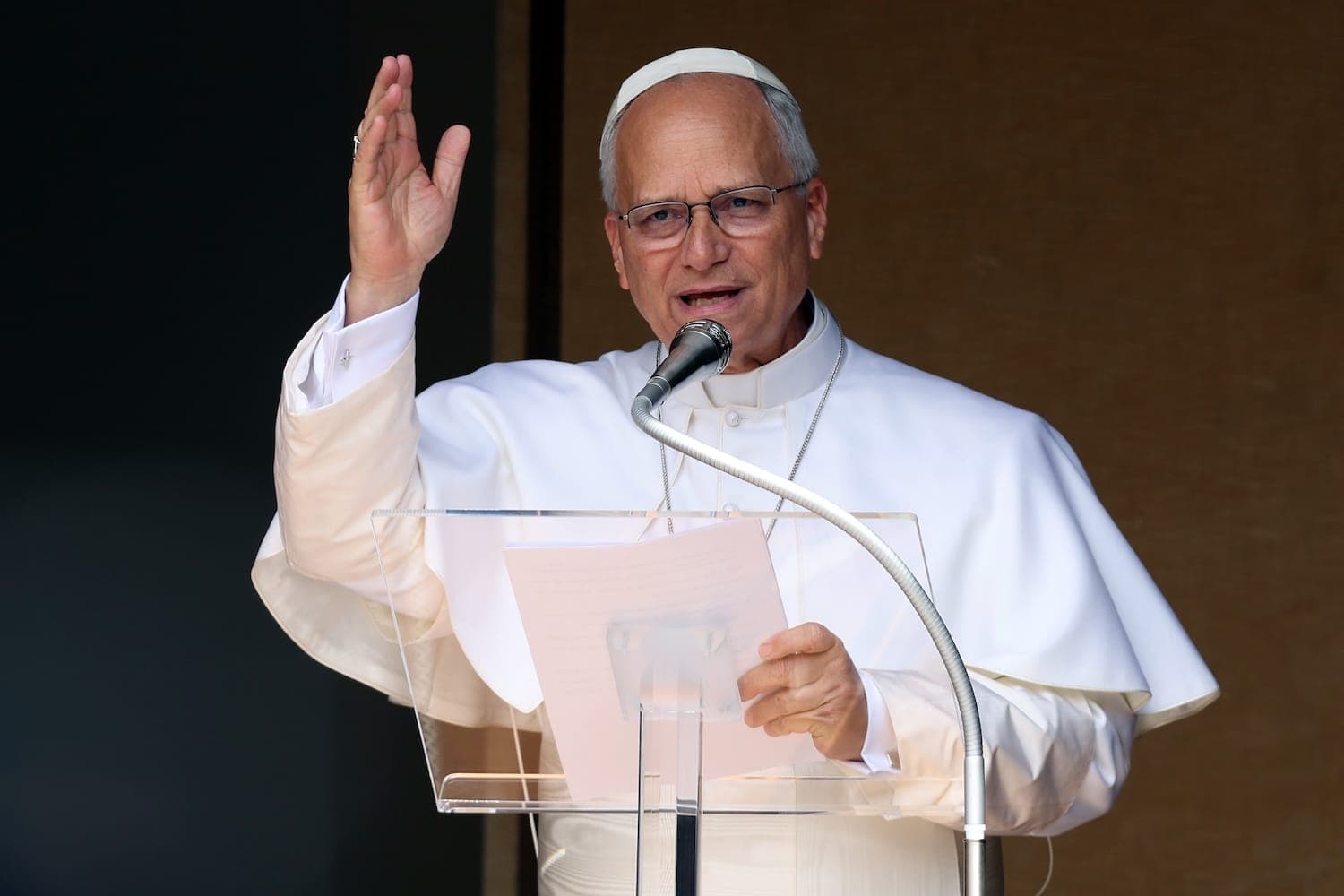
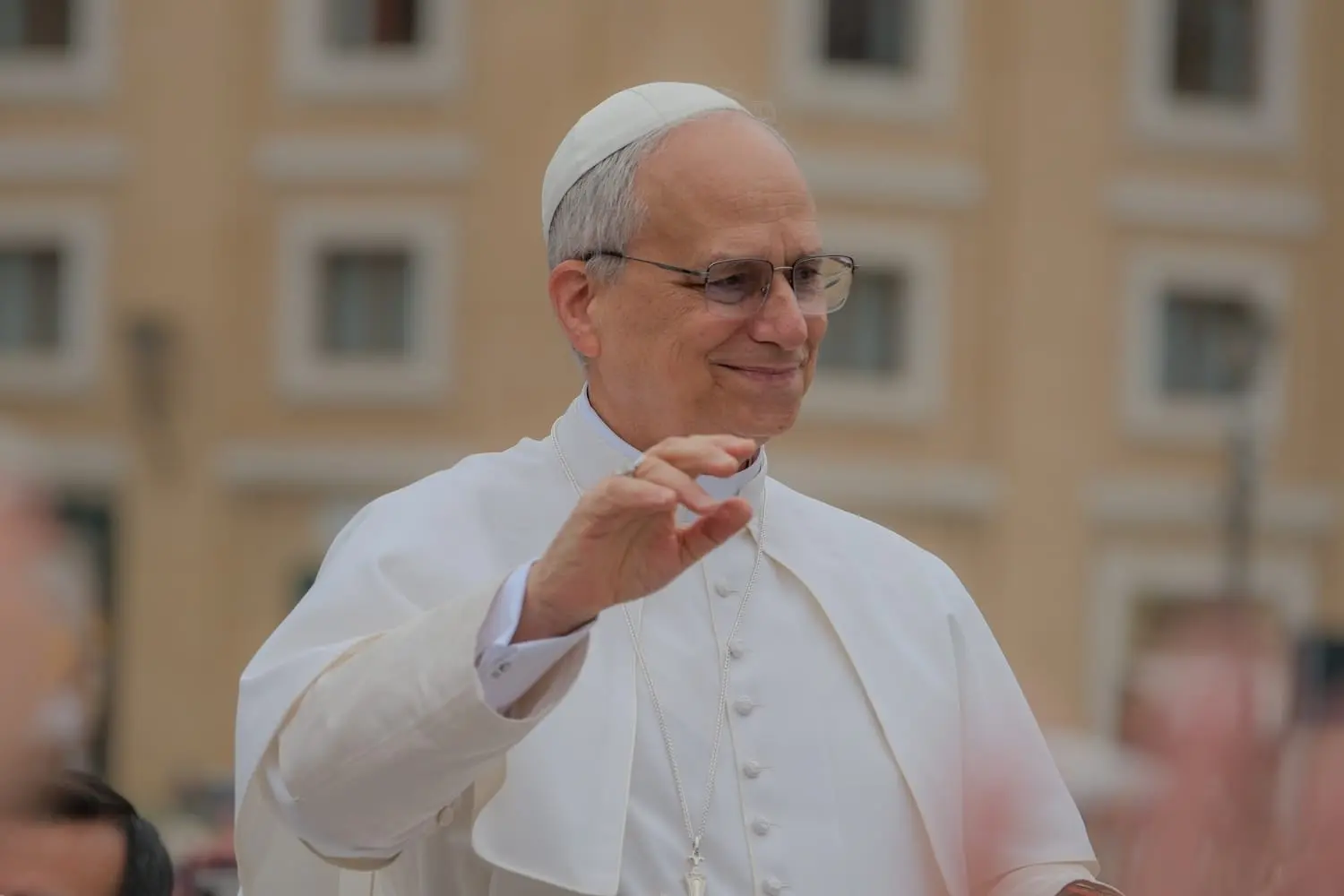
Speaking after the Angelus prayer in St. Peter’s Square on Feb. 1, Pope Leo XIV expressed concern over rising tensions between the U.S. and Cuba, urging leaders to pursue dialogue to avert further suffering for the Cuban people.

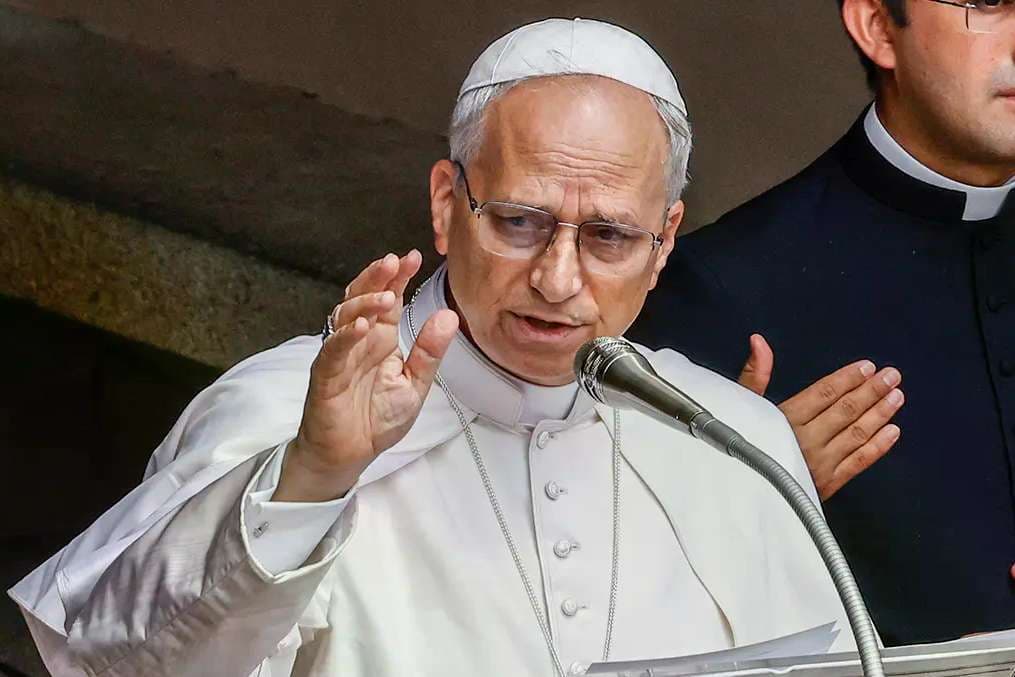
Speaking after the Angelus prayer in St. Peter’s Square on Feb. 1, Pope Leo XIV expressed concern over rising tensions between the U.S. and Cuba, urging leaders to pursue dialogue to avert further suffering for the Cuban people.
“I have received the greatly troubling news regarding an increase in tensions between Cuba and the United States of America, two neighboring countries,” the Pope said.
Echoing a Jan. 31 message from Cuba’s bishops, the Holy Father called on “all responsible parties to promote a sincere and effective dialogue, in order to avoid violence and every action that could increase the suffering of the dear Cuban people.”
He concluded by invoking the intercession of Our Lady of Charity of El Cobre, Cuba’s patroness, to “assist and protect all of the children of that beloved land!”
Rising tensions between the two countries
Relations between Washington and Havana have been strained this month due to the Jan. 3 U.S. military operation in Caracas, Venezuela, which resulted in the capture of Venezuelan leader Nicolás Maduro. The raid reportedly left at least 32 Cuban security personnel dead. The Cuban operatives had been stationed in Venezuela to help guard Maduro.
Cuba, a close ally of Venezuela’s under Maduro, has relied on subsidized Venezuelan oil shipments to support its struggling economy. Since Maduro’s capture, President Donald Trump has repeatedly said the Cuban economy will deteriorate further without Venezuelan oil. As Zeale News previously reported, Trump told reporters Jan. 4 that the Cubans “got all of their income from Venezuelan oil” and the country “looks like it’s going down.”
Trump declared a national emergency in a Jan. 29 executive order over Cuba’s “unusual and extraordinary” threat to U.S. national security. As part of the order, he established a mechanism to impose tariffs on goods from countries that supply oil to Cuba. He cited Cuba’s policies and alliances with Russia, China, and Iran. He also pointed to Cuba’s alleged ties to terrorist groups, including Hamas and Hezbollah, as national security threats.
Cuban President Miguel Díaz-Canel responded shortly afterward on social media, calling the Trump administration a “clique” run by “fascist, criminal, and genocidal” individuals who have “hijacked the interests of the American people for purely personal ends.” He accused Trump of trying “to strangle the Cuban economy” by threatening tariffs.
Despite the escalation, Trump suggested Feb. 1 that negotiations are underway with senior Cuban officials. Speaking to reporters from Mar-a-Lago, he said, “I think we’re going to make a deal with Cuba. It’s in bad shape. Cuba has a humanitarian problem.”
Cuban bishops warn of hardship
The Pope’s appeal aligned with a Jan. 31 statement from the Catholic Bishops of Cuba addressed to “all Cubans of good will.” They warned that humanitarian, social, and economic conditions in the country have continued to worsen, fueling anguish and hopelessness among families.
“Recent news announcing, among other things, the elimination of any possibility for oil to enter the country has set off alarm bells, especially for the most vulnerable,” the bishops said, according to a Vatican News translation. “The risk of social chaos and violence among the children of the same people is real. No Cuban of good will would welcome this.”
While the bishops acknowledged the need for internal reforms in Cuba, they stressed that change must not come at the cost of deepened suffering for the poor, the elderly, or families already under strain.
.jpg&w=3840&q=75)
Comments