Pope Leo to renew St. John Paul II’s call for peace at Assisi gathering
Four decades after the first meeting, the “Spirit of Assisi” continues to highlight the role of faith and dialogue in opposing violence.

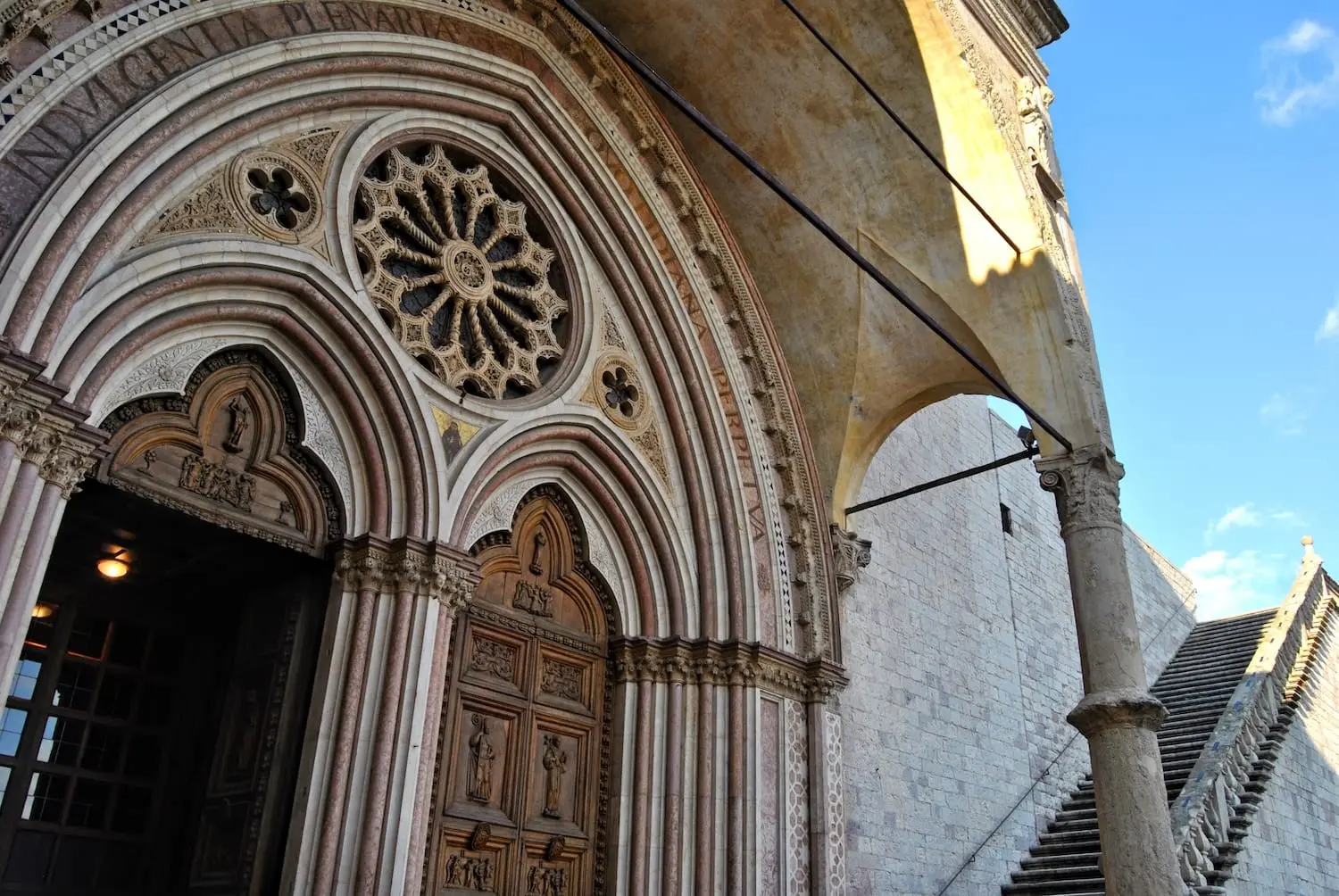
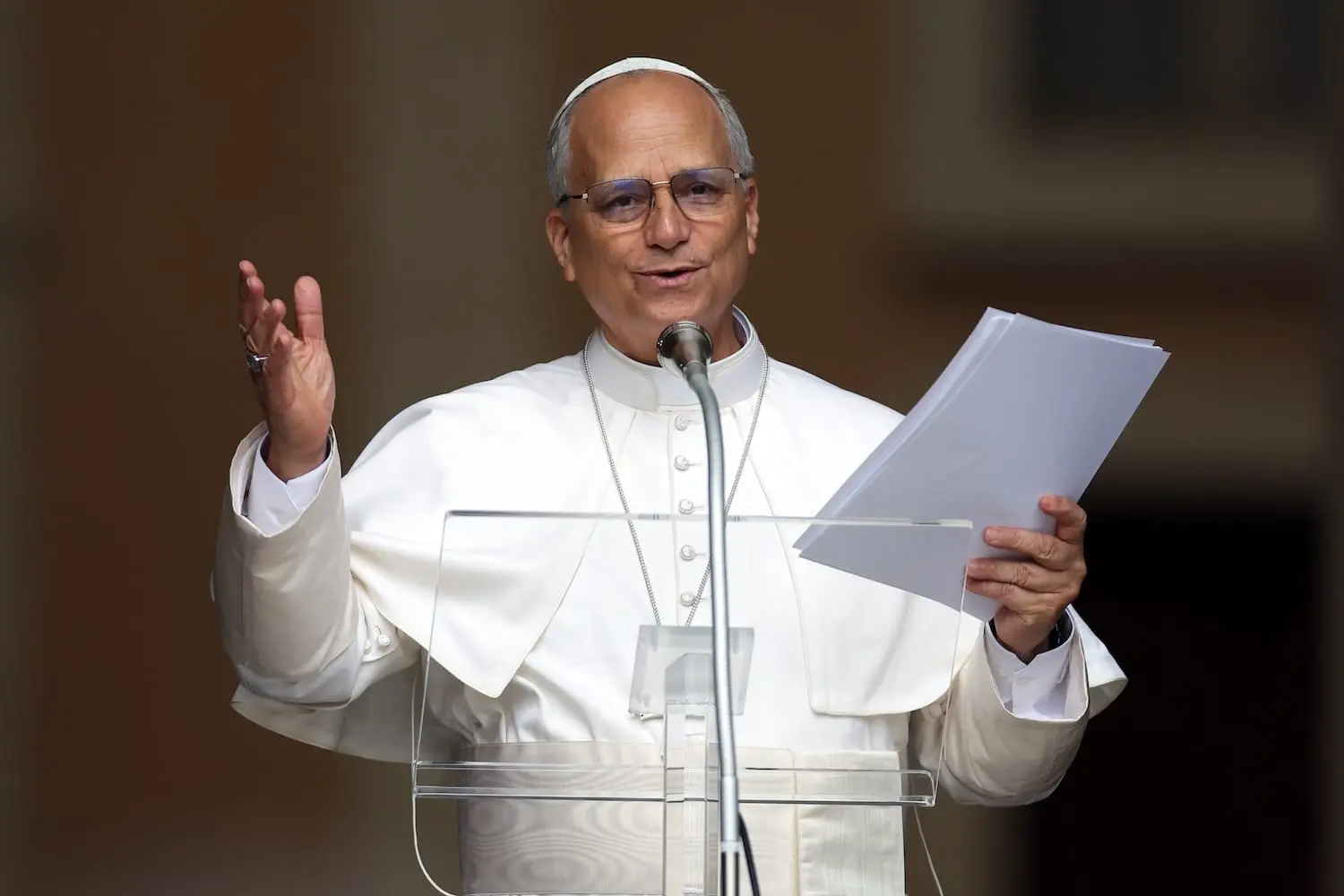
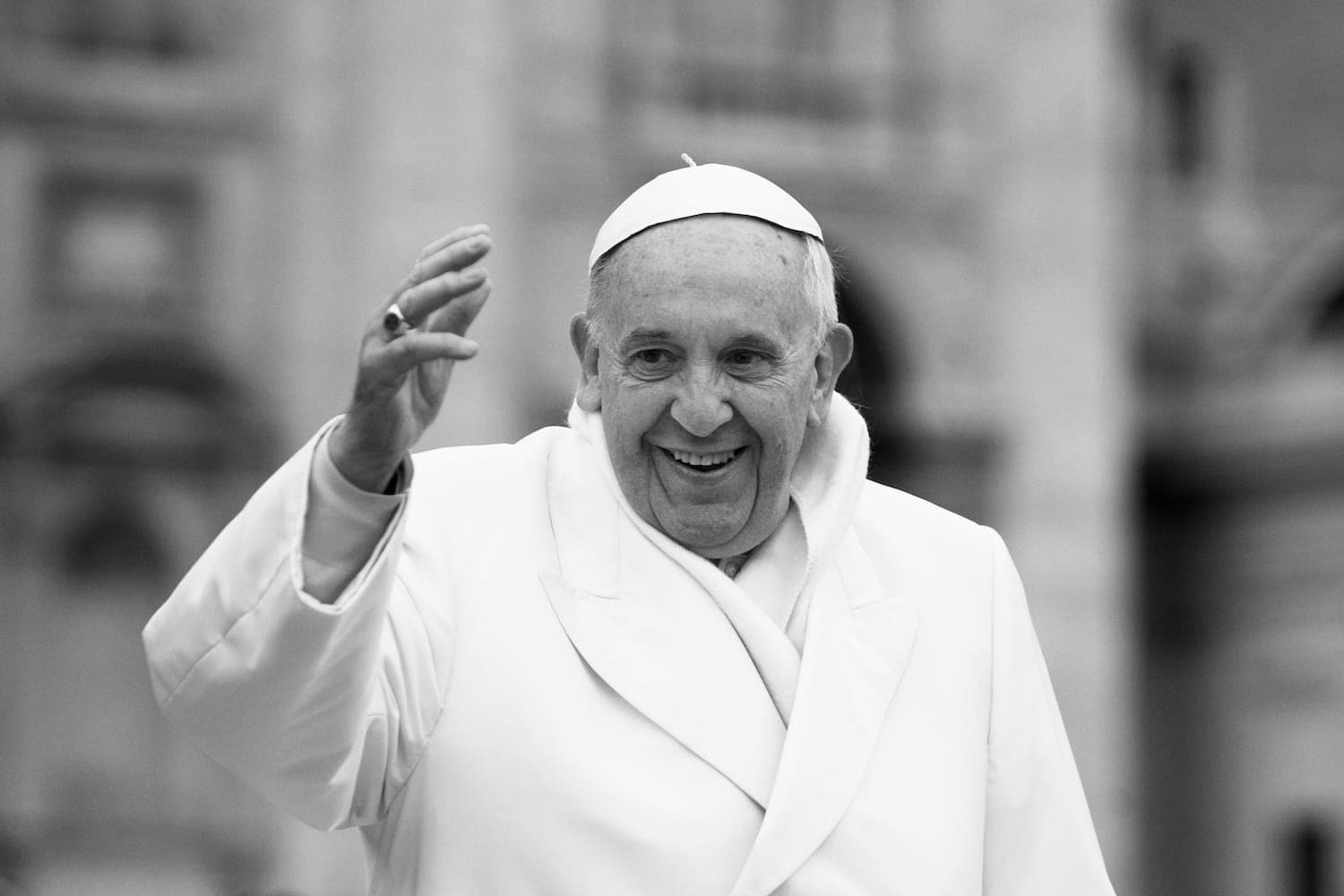
Pope Leo XIV will join religious leaders from around the world in Assisi on Oct. 27 to pray for peace, renewing a call made by St. John Paul II at the inaugural World Day of Prayer for Peace 40 years ago.
Titled “Unarmed and Disarming Peace,” the three-day gathering will include prayer for peace and forums involving hundreds of representatives of religions, cultures, and institutions from more than 50 countries.
Bishop Felice Accrocca of Assisi-Nocera Umbra-Gualdo Tadino and Foligno welcomed the Pope’s participation in an Oct. 6 diocesan press release.
“We firmly believe that the presence of the Pope alongside other religious leaders can strengthen a shared journey against every form of violence,” he said.
The Community of Sant’Egidio, a Catholic lay organization that has carried forward the “Spirit of Assisi” through annual peace gatherings inspired by the 1986 meeting, is organizing the event, Vatican News reported Oct. 6.
Pope Leo will pray with Christian representatives in the Lower Basilica of St. Francis, share a meditation, and deliver a message of peace at the gathering’s closing ceremony, according to the outlet.
“Today more than ever, this event ... takes on extraordinary importance: we need dialogue and connection; we need to come together, each with our own faith, to pray for peace. ... It would be wonderful if this call to prayer from Assisi were to reach the entire world and be embraced by all religions,” Bishop Accrocca said.
The 1986 Assisi gathering and subsequent meetings faced criticism that praying alongside leaders of other religions could suggest all religions offered equal paths to salvation, obscuring the Catholic Church’s teaching that salvation comes through Jesus Christ alone.
John Paul II addressed the relationship between the gathering and religious belief in his opening remarks in 1986.
“The fact that we have come here does not imply any intention of seeking a religious consensus among ourselves or of negotiating our faith convictions,” he said. “Neither does it mean that religions can be reconciled at the level of a common commitment in an earthly project which would surpass them all. Nor is it a concession to relativism in religious beliefs.”
Pope Benedict XVI affirmed the initiative in a 2006 letter marking the gathering’s 20th anniversary, writing, “His invitation to the world's religious leaders to bear a unanimous witness to peace serves to explain with no possibility of confusion that religion must be a herald of peace.”
He also cautioned against misinterpreting the gathering’s purpose.
The late pontiff said, “The convergence of differences must not convey an impression of surrendering to that relativism which denies the meaning of truth itself and the possibility of attaining it.”

Comments