Pope Leo XIV: Christians owe one another the ‘joyful debt’ of love
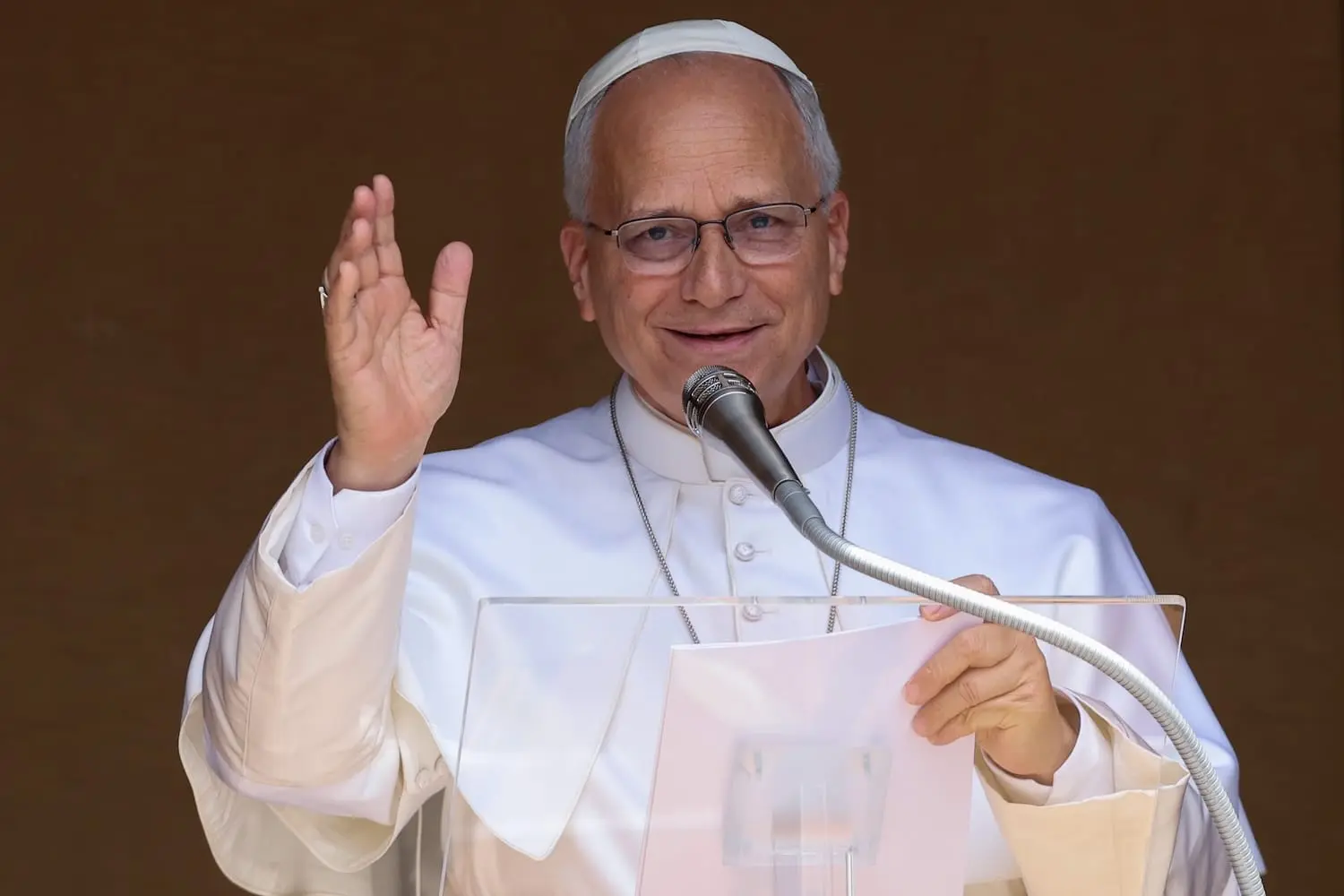
In his Sunday Angelus, Pope Leo XIV urged Christians to embrace the “joyful debt” of loving one another through honest correction, shared prayer and forgiveness — a call he extended to a world wounded by war.
-1.jpg&w=1920&q=75)
In his Angelus message for Sept. 6, Pope Leo XIV called Christians to rediscover a kind of debt that brings freedom rather than bondage: the enduring obligation to love one another.
Reflecting on the day’s readings, the Holy Father pointed to St. Paul’s teaching in Romans 13:8-10 that the commandments are summed up in the call to “love your neighbor as yourself.” While Christ teaches his followers to forgive debts, Pope Leo said there is one debt Christians should never seek to escape — “the debt of mutual love.”
“All the attention, care and goodness we have received make us freer and more capable of responsibility,” the Pontiff remarked.
He said that in the Gospel passage for this Sunday, Jesus shares at least two concrete ways Christians can live that love.
One is the practice of fraternal correction. Calling it a “delicate art” that has too often been forgotten, the Pope said Christian correction requires frankness and a gradual approach. Rather than complaining about others or speaking badly about them, Christians should be willing to address difficulties directly — first face to face and, when necessary, gradually involving others in the community.
That approach does more than settle disagreements. Pope Leo presented conflict itself as something that, when approached with charity and truth, can become an opportunity for growth.
“Complaining and speaking ill of others are easier, but they accomplish nothing and leave many situations paralyzed,” the Pontiff explained. “The Gospel, instead, teaches us the freedom that comes through charity.”
The Pope’s second lesson was about learning to come together — including in prayer. Recalling Christ’s promise that when two people agree in what they ask, it will be done for them by the Father. Pope Leo said Christians can bring shared desires, sorrows and hopes before God and thereby grow in unity.
“Without faith, each person might feel alone and become suspicious of others, seeing them as strangers and enemies,” the Pope remarked. “By grace, however, we are brothers and sisters who can live in harmony: meeting one another, forgiving one another and listening to one another in the Lord.”
Pope Leo concluded by pointing to the Virgin Mary, who hurried to Elizabeth after the Annunciation to share both the joy and hardship of pregnancy. He asked Mary to teach Christians what he called “the joyful debt of fraternal love.”
After the Angelus, that call to fraternity took on a global dimension as the Pope turned to the suffering caused by the latest violent attacks on Ukrainian cities and civilian infrastructure and renewed his appeal for an end to violence and destruction.
He expressed hope that efforts at negotiation would produce concrete results and facilitate diplomacy and asked that people pray that “concord may prevail in all the conflicts of the world.”
.jpg&w=3840&q=75)


Comments