Records reveal hundreds of US troop injuries Pentagon left largely unexplained
Newly released military records show that American troops suffered at least 170 cases of head trauma and 17 life-threatening casualty incidents during the opening phase of the Iran war, complicating the Pentagon’s earlier portrayal of the injuries as overwhelmingly minor.
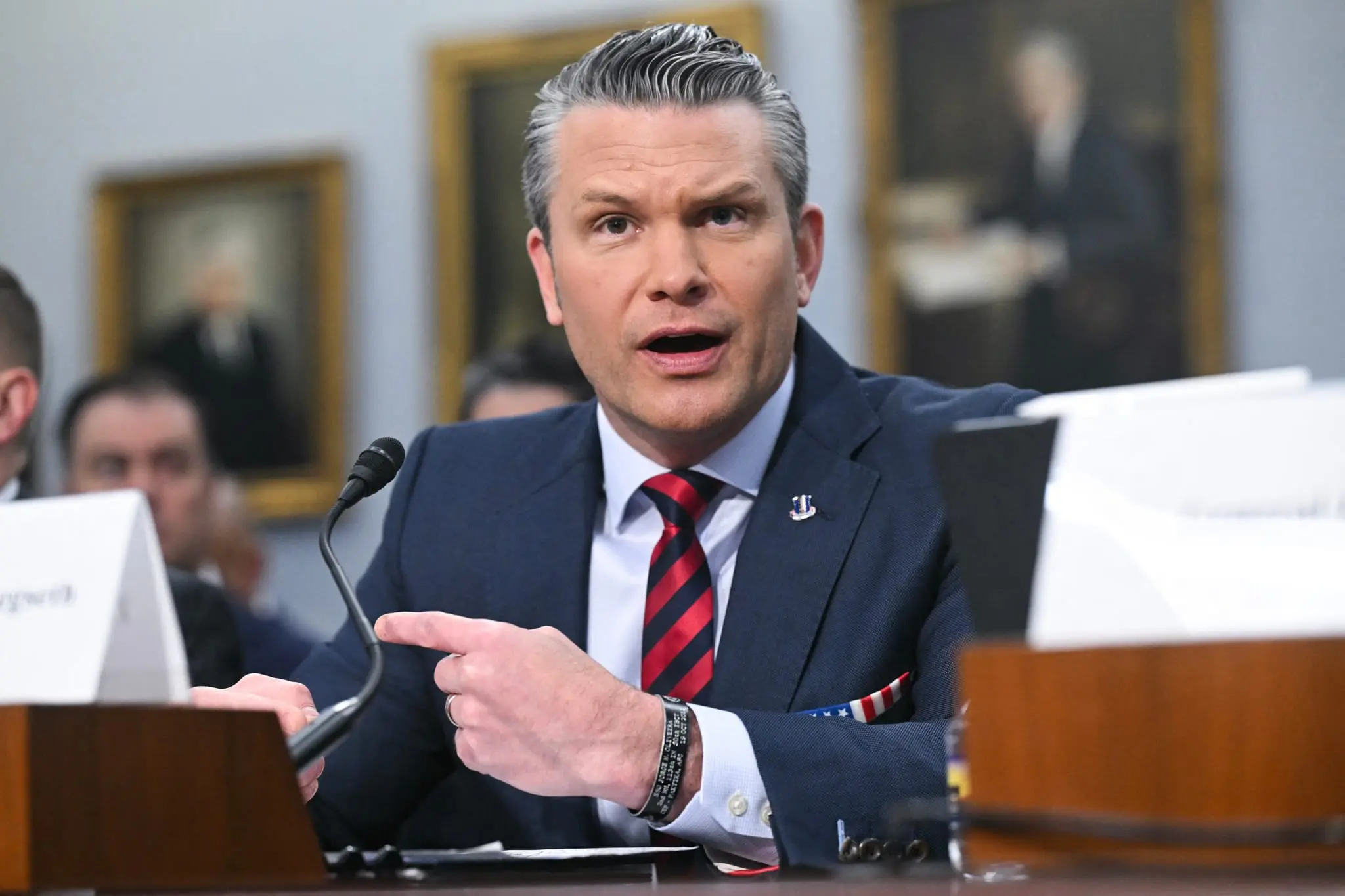
Newly obtained Defense Department records have revealed the severity and scale of injuries suffered by U.S. troops during the opening weeks of the war with Iran, including shrapnel wounds, broken bones, smoke inhalation, and at least 170 cases of head trauma.
The records, obtained through a Freedom of Information Act request by The War Horse and reported July 28, cover more than 400 casualty incidents between the beginning of the war Feb. 28 and April 8. At least 17 were classified as life-threatening.
The records count casualty incidents rather than individual service members, meaning the same person could appear more than once if wounded in separate incidents. The documents nonetheless provide the most detailed public picture to date of the physical cost of the conflict for American troops.
More than 270 of the recorded casualties involved Army personnel, about one-third of whom were reservists. The Navy recorded 64 casualties, the Air Force 51, and the Marine Corps 19, according to The War Horse’s examination of the documents.
Enlisted soldiers bore much of the burden, but the records also identify 64 wounded Army officers, including 20 captains and 13 lieutenant colonels or colonels.
Earlier Pentagon descriptions omitted extent of trauma
The newly released information provides a striking contrast with the Pentagon’s limited public disclosures during the war.
After news organizations pressed the department about casualties, Pentagon spokesman Sean Parnell acknowledged March 10 that approximately 140 service members had been wounded during the first 10 days of fighting. He emphasized that the “vast majority” of the injuries were minor and that 108 troops had returned to duty.
The new records reveal a level of trauma that the Pentagon’s description did not convey, including at least 170 head-trauma cases through early April and injuries involving burns, fractures, shrapnel, and exposure to powerful blasts.
On March 3, the military recorded 29 casualties from what it classified as an enemy attack, including one serious casualty. U.S. Central Command did not publicly announce that a large group of troops had been wounded that day.
The following day, military leaders declared that Iran’s ballistic missile capabilities had been “decimated.” Nevertheless, approximately 200 additional casualty incidents were recorded over the following weeks.
On March 18 alone, the documents record 70 casualties, more than two dozen of them attributed to enemy action. The Pentagon did not publicly disclose the large single-day figure at the time, and information about the cause of many of those injuries is missing from the released records.
Official totals continue to shift
The records cover only the war’s first phase and do not include hundreds of later injuries.
The Pentagon’s casualty system now indicates that 642 U.S. service members have been wounded across the conflict’s initial and renewed phases. The system lists 420 wounded under Operation Epic Fury and another 222 under a newly created category called “Overseas Operations.”
Four troops killed and more than 200 wounded after fighting resumed in July were moved into the new category rather than included in the department’s Operation Epic Fury count. Pentagon officials have said the designation reflects the formal conclusion of the original operation and denied that it was created to conceal casualties.
The change followed several days of confusion in which the department’s publicly reported totals fell sharply. Pentagon press secretary Joel Valdez attributed those discrepancies to “temporary data disruptions.”
Efforts to end the war
As Zeale News previously reported, President Donald Trump defended Vice President JD Vance’s negotiations with Iran in June as hawkish Republicans predicted that the talks would fail and pressed for continued military action.
Vance later accused an Israel-linked influence campaign of attempting to derail the negotiations. He said some critics were pushing the administration to continue the military campaign “indefinitely,” while he was seeking an agreement that would prevent an Iranian nuclear weapon and restore the free movement of oil and gas.
Archbishop Timothy Broglio of the Archdiocese for the Military Services, USA, said in April that the conflict did not satisfy Catholic just-war principles and aligned himself with Pope Leo XIV’s calls for negotiation.
“Lives are being lost both there and also among our troops,” Archbishop Broglio warned.





Comments