Report: Trump administration backs Kurdish-led uprising against Iranian government
The CIA is working to arm Kurdish opposition groups in an effort to encourage a popular uprising against the Iranian government, according to a March 3 CNN report. The White House has responded that reports of President Donald Trump agreeing to any plans for a Kurdish-led uprising are “completely false.”

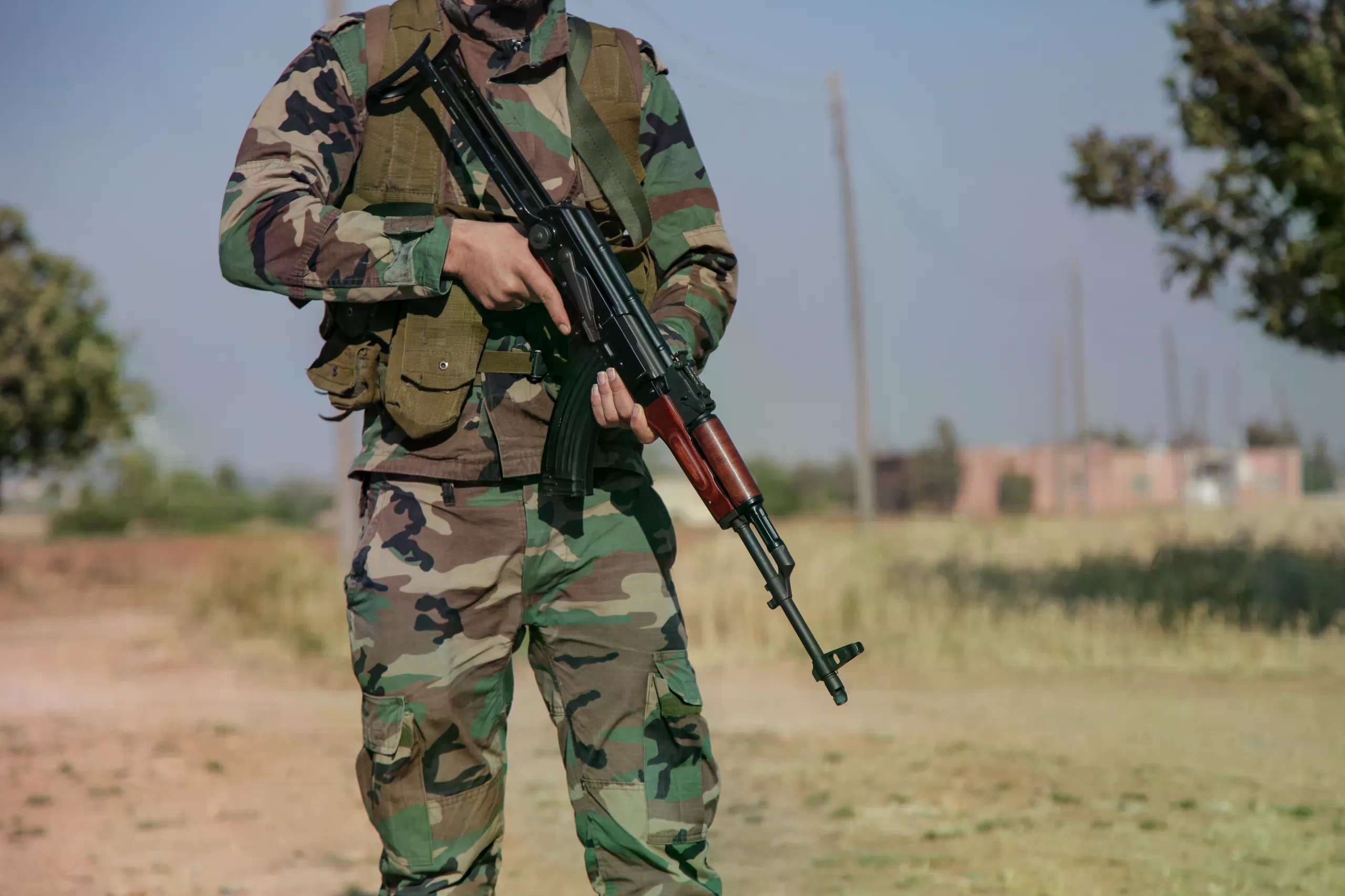
The CIA is working to arm Kurdish opposition groups in an effort to encourage a popular uprising against the Iranian government, according to a March 3 CNN report. The White House has responded that reports of President Donald Trump agreeing to any plans for a Kurdish-led uprising are “completely false.”
Citing multiple sources, the CNN reported that Iranian Kurdish opposition forces are expected to participate in a ground operation in western Iran in the coming days.
The strategy, according to Reuters, is to have Kurdish forces engage Iranian government personnel, which might create an opening for Iranians opposed to the Islamic regime to rise up now that top regime officials are dead. The initial U.S.-Israeli strikes killed Iranian Supreme Leader Ali Khamenei. Trump said March 2 that U.S. and Israeli forces have killed 49 of Iran’s most senior leaders.
“We believe we have a big chance now,” a senior Iranian Kurdish official told CNN, adding that the militias expect support from the U.S. and Israel.
Iranian Kurdish armed groups have thousands of fighters positioned along the Iraqi-Iranian border, according to CNN. Since the war began, several factions have issued statements signaling imminent action and encouraging Iranian troops to defect. Iran’s Islamic Revolutionary Guard Corps, meanwhile, has carried out repeated strikes against Kurdish groups.
Kurdish militias have in the past been among the U.S.’s most effective regional partners against radical Islamist elements. Kurdish forces in Iraq and Syria played a large role in the U.S.-led campaign against ISIS beginning in 2014.
One source told CNN that CIA support for Iranian Kurdish groups began several months before the war.
Six days before the war began, five Kurdish groups based in Iraq announced that they were forming the Coalition of Political Forces. The move sparked tensions with a faction led by exiled former Crown Prince Reza Pahlavi, who in recent weeks has urged Iranians to protest the government. Some observers had speculated Pahlavi could emerge as Iran’s next leader, but Trump told reporters March 3 that he doesn’t see Pahlavi as the best option.
A day after the Feb. 28 strikes began, Trump spoke with leaders from the two main Kurdish factions in Iraq – Masoud Barzani and Bafel Talabani – to assess whether they would work together, Axios reported.
Trump called on Iranians to take over their country’s government in his initial Feb. 28 announcement about the strikes. Since then, administration officials have said that regime change is not the U.S.’s official goal. Trump told reporters March 3 that the individuals he had “in mind” to lead Iran are now dead and that he believes “someone from within Iran who is popular” would be best suited to take power, Zeale News previously reported.
Asked during a March 4 press conference whether Trump is considering arming Kurdish forces for an uprising, White House Press Secretary Karoline Leavitt said the President has “held many calls” with allies in the region and “spoke to Kurdish leaders with respect to the U.S. base in northern Iraq, but as for any report suggesting that the President has agreed to any such plan, [it] is completely false and should not be written.”
.jpg&w=3840&q=75)




Comments