US-Israeli war against Iran escalates on day 4 with Gulf attacks, embassy closures, and widening fronts
The U.S.-Israeli conflict with Iran entered its fourth day March 3, marked by intensified Iranian retaliatory strikes across the Persian Gulf, expanded Israeli operations into Lebanon, and mounting casualties.

The U.S.-Israeli conflict with Iran entered its fourth day March 3, marked by intensified Iranian retaliatory strikes across the Persian Gulf, expanded Israeli operations into Lebanon, and mounting casualties.
Escalations in the Gulf and regional spread
Iranian forces and proxies launched a barrage of drone and missile attacks targeting U.S. diplomatic and military assets in the region. A suspected Iranian drone struck the grounds of the U.S. consulate in Dubai, United Arab Emirates, igniting a fire that was quickly contained, according to NBC News. Officials reported no casualties. The U.S. also closed its embassies in Saudi Arabia, Kuwait, and Beirut amid similar drone attacks.
As Zeale News previously reported, the State Department on March 2 issued urgent advisories for Americans to “depart now” from 14 Middle Eastern countries. Secretary of State Marco Rubio told reporters March 3 that nearly 9,000 U.S. citizens have evacuated the Middle East since the onset of the war, and the department is now working to assist about 1,500 more Americans who still need assistance to leave the region. President Donald Trump said in a Truth Social post that free charter flights would be offered to Americans trying to leave the Middle East.
Israel Defense Forces (IDF) announced on X that its forces are operating in southern Lebanon as “part of an enhanced forward defense posture” against the Iran-backed Hezbollah militant group. Israel also launched new airstrikes on Beirut and Tehran, the IDF said in a separate post.
Casualty figures continue to rise
Hundreds of people have died across the Middle East. Iran’s Red Crescent reported that nearly 800 people have been killed in Israeli and American strikes, NBC News reported. Lebanon’s Health Ministry reportedly said March 3 that the death toll in Lebanon has risen to 50, and 335 others have been wounded.
As Zeale News reported March 2, six U.S. service members have died in action, and 11 people were killed in Israel as Iran fired back. The Pentagon on March 3 released the names of four of the six service members killed: Capt. Cody A. Khork, 35, of Winter Haven, Florida; Sgt. 1st Class Noah L. Tietjens, 42, of Bellevue, Nebraska; Sgt. 1st Class Nicole M. Amor, 39, of White Bear Lake, Minnesota; and Spc. Declan J. Coady, 20, of West Des Moines, lowa.
Trump administration’s comments and strategy
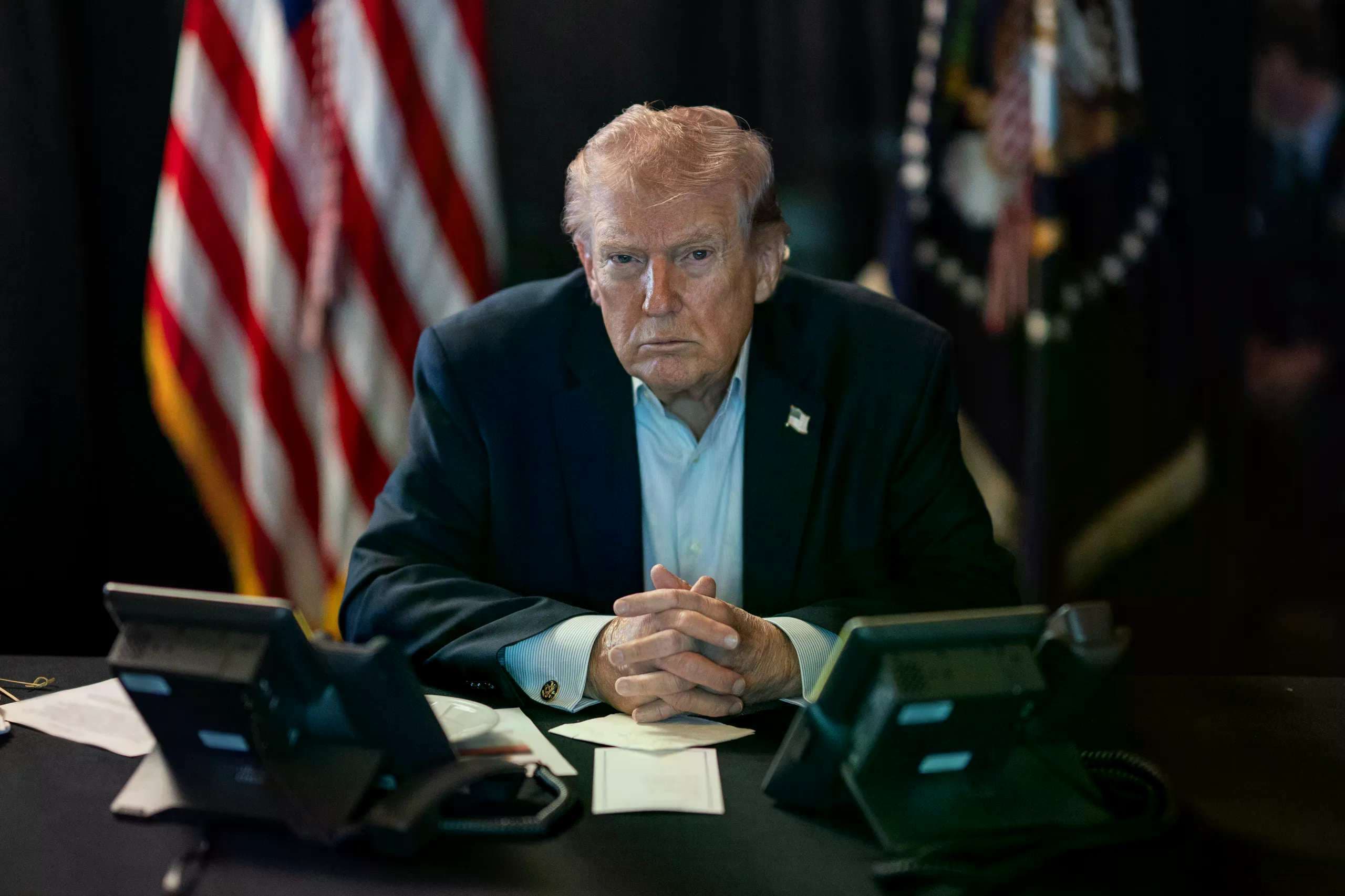
In a White House meeting with German Chancellor Friedrich Merz, Trump said U.S. strikes had “knocked out” Iran’s navy, air force, and radar defenses. “Just about everything has been knocked out,” he said.
Even though the initial U.S.-Israeli strikes killed Iranian Supreme Leader Ayatollah Ali Khamenei and Trump previously urged Iranians to overthrow their government, administration officials have said regime change is not the U.S.’s goal.
When a reporter asked Trump on March 3 if had “someone in mind” to be the next leader of Iran, he said all of those he had had in mind are now dead.
“We had some in mind from that group that is dead. And now we have another group,” he said. “They may also be dead, based on reports. So I guess you have a third wave coming in. Pretty soon, we're not going to know anybody.”
He also rejected exiled Crown Prince Reza Pahlavi as a potential leader, saying he is a “nice guy” but “someone from within Iran who is popular” would be better suited to take power. Pahlavi, the son of the former U.S.-backed shah, had previously called on Iranians to rise up against the Islamic regime.
Merz confirmed that the U.S. and Germany are “on the same page” about the necessity of removing the current Iranian regime. Trump said Germany has been “helping us out” amid Operation Epic Fury.
Trump also rejected claims that Israel pressured the U.S. to launch the initial strikes against Iran, telling reporters that “if anything, I might’ve forced Israel’s hand.” As Zeale News previously reported, Rubio had earlier said that the Trump administration acted because it “knew that there was going to be an Israeli action” that would “precipitate an attack against American forces.” War Secretary Pete Hegseth, Gang of Eight member Sen. Tom Cotton, R-Arkansas, and Republican Speaker of the House Mike Johnson, R-Louisiana, had also indicated the same.
“We have great negotiators,” Trump added of Iran, “great people, people that do this very successfully and have done it all their lives, very successful. And based on the way the negotiation was going, I think they were going to attack first. And I didn't want that to happen.”
Hours earlier on Truth Social, Trump said that the U.S. has a “virtually unlimited supply” of munitions. He added that wars “can be fought ‘forever,’ and very successfully, using just these supplies.”
Administration officials have said the conflict will likely last four to five weeks but the U.S. military can continue operations for as long as needed. Speaking to FOX News’ Jesse Watters on March 2, Vice President JD Vance said Trump would not let America “get into a multiyear conflict with no clear end in sight and no clear objectives.”
On March 3, Rubio signaled that the U.S. campaign is entering a more aggressive phase. He told reporters that “you’re going to really begin to perceive a change in the scope and in the intensity of these attacks as frankly, the two most powerful air forces in the world take apart this terroristic regime and defang it."



.jpg&w=3840&q=75)


Comments