Stock market, industries report initial fallout from Iran war
Global stock markets plunged and oil prices surged on March 3 as the U.S. and Israel signaled that military operations in Iran could continue for weeks and Iran expanded its retaliatory strikes in the Persian Gulf.

Global stock markets plunged and oil prices surged March 3 as the U.S. and Israel signaled that military operations in Iran could continue for weeks and Iran expanded its retaliatory strikes in the Persian Gulf.
In early trading March 3, the S&P fell 1.5% and the Dow Jones Industrial Average dropped 1.6%. Stocks had initially slid March 2 amid concerns about the war’s impact on energy prices but later rebounded to close the day higher, CBS reported.
Markets in Asia and Europe posted a second consecutive day of steep losses March 3. South Korea’s main index dropped 7%, Japan’s benchmark fell 3%, and the Stoxx Europe 600 declined nearly 3%.
The New York Times reported that investors fear sustained fighting and rising energy costs could push inflation higher.
“In a prolonged conflict,” analysts at the bank ING said, “the combination of higher energy costs, disrupted logistics, and a generalized confidence shock would constitute a meaningful drag on global trade volumes at precisely the moment the world economy was still digesting the inflationary and growth consequences of the tariff shock.”
Brent crude oil – a global benchmark for the price of oil – rose more than 7% March 3, trading above $80 per barrel. The spike marks Brent crude’s highest level since July 2024. When markets closed Feb. 28, before the U.S.-Israeli strikes, Brent crude traded just above $73 per barrel. Meanwhile, benchmark U.S. crude rose more than 5% March 3 to more than $75 per barrel.
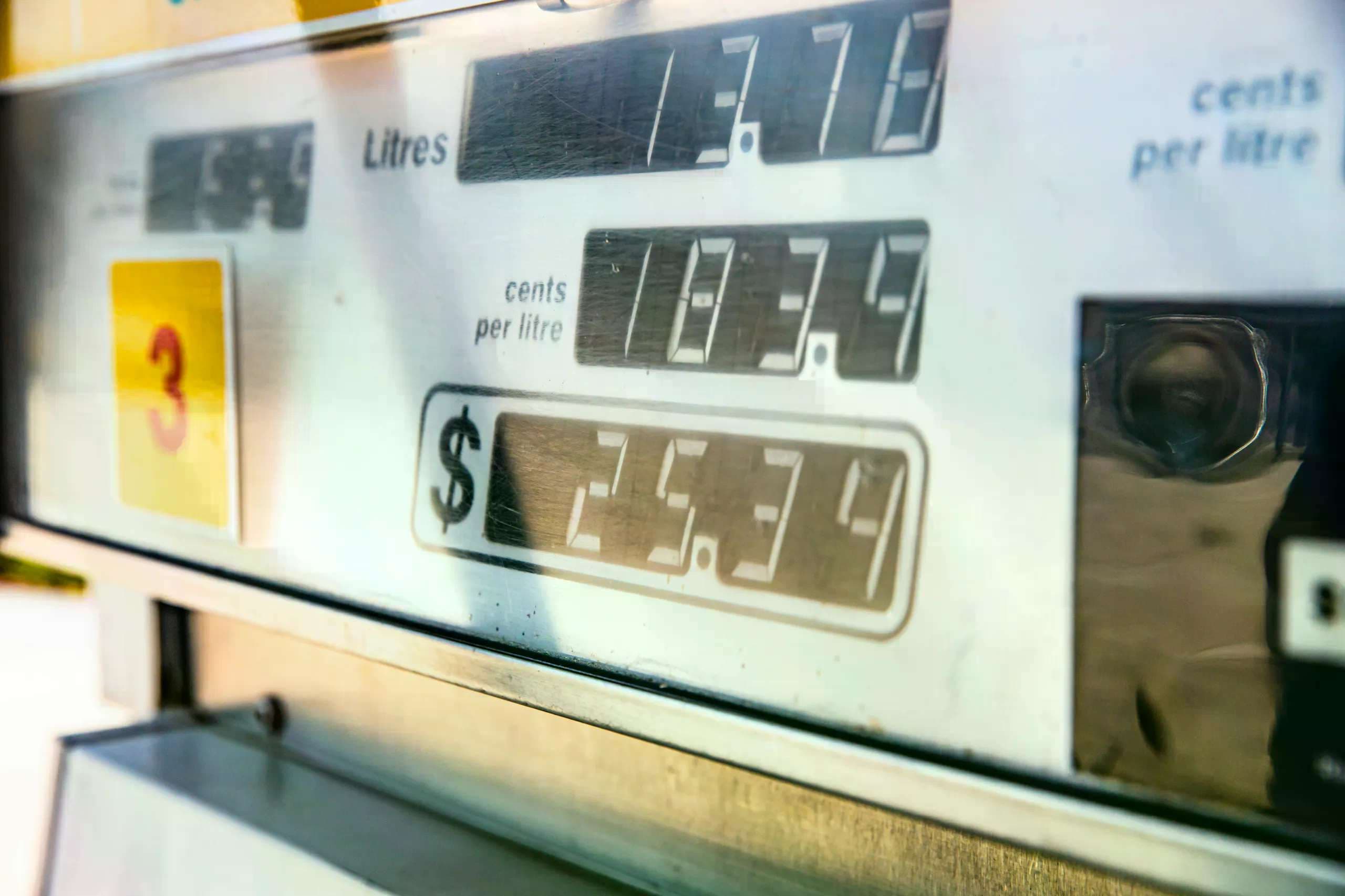
Gasoline prices in the U.S. also jumped 11 cents overnight to $3.10 per gallon, according to AAA data.
The oil price is largely tied to the Strait of Hormuz, a narrow waterway between Iran and Oman through which roughly one-fifth of the world’s oil supply passes. Shipping traffic slowed to a near halt after Iranian forces reportedly targeted vessels transiting the corridor. On March 2, a senior Iranian official referred to the strait as “closed” and warned that “if anyone tries to pass,” Iranian forces would “set those ships ablaze,” according to state media cited by Reuters.
Reuters reported that freight rates for supertankers transporting oil from the Middle East to China surged to a record of $423,736 per day. The record-high rate dramatically increases the delivered cost of Middle Eastern crude to Asia, adding tens of dollars per barrel in shipping expenses. The development has fueled fears that global oil prices will continue to rise and exacerbate inflation.
President Donald Trump said in a March 3 social media post that the U.S. Navy would escort tankers through the Strait of Hormuz if necessary. He also said he ordered the U.S. Development Finance Corporation to provide “political risk insurance and guarantees for the Financial Security of ALL Maritime Trade, especially Energy, traveling through the Gulf.”
“No matter what the United States will ensure the FREE FLOW of ENERGY to the WORLD,” he said.
He also told reporters from the Oval Office that while Americans will have to deal with high oil prices for a “little while,” they are “going to drop, I believe, even lower than before” as “soon as this ends.”
Natural gas markets also surged after Qatar – a major exporter of liquefied natural gas (LNG) to buyers in Asia and Europe – halted some production March 2 following strikes on its facilities. According to the Times, European natural gas futures have roughly doubled over the past two days, while a benchmark for Asian gas cargoes rose 45%.



.jpg&w=3840&q=75)



Comments