Iran offers deal to re-open Strait of Hormuz, without nuclear talks
Iran has proposed reopening the Strait of Hormuz in exchange for ending the U.S. naval blockade and the war, deferring contentious nuclear negotiations, regional officials say.

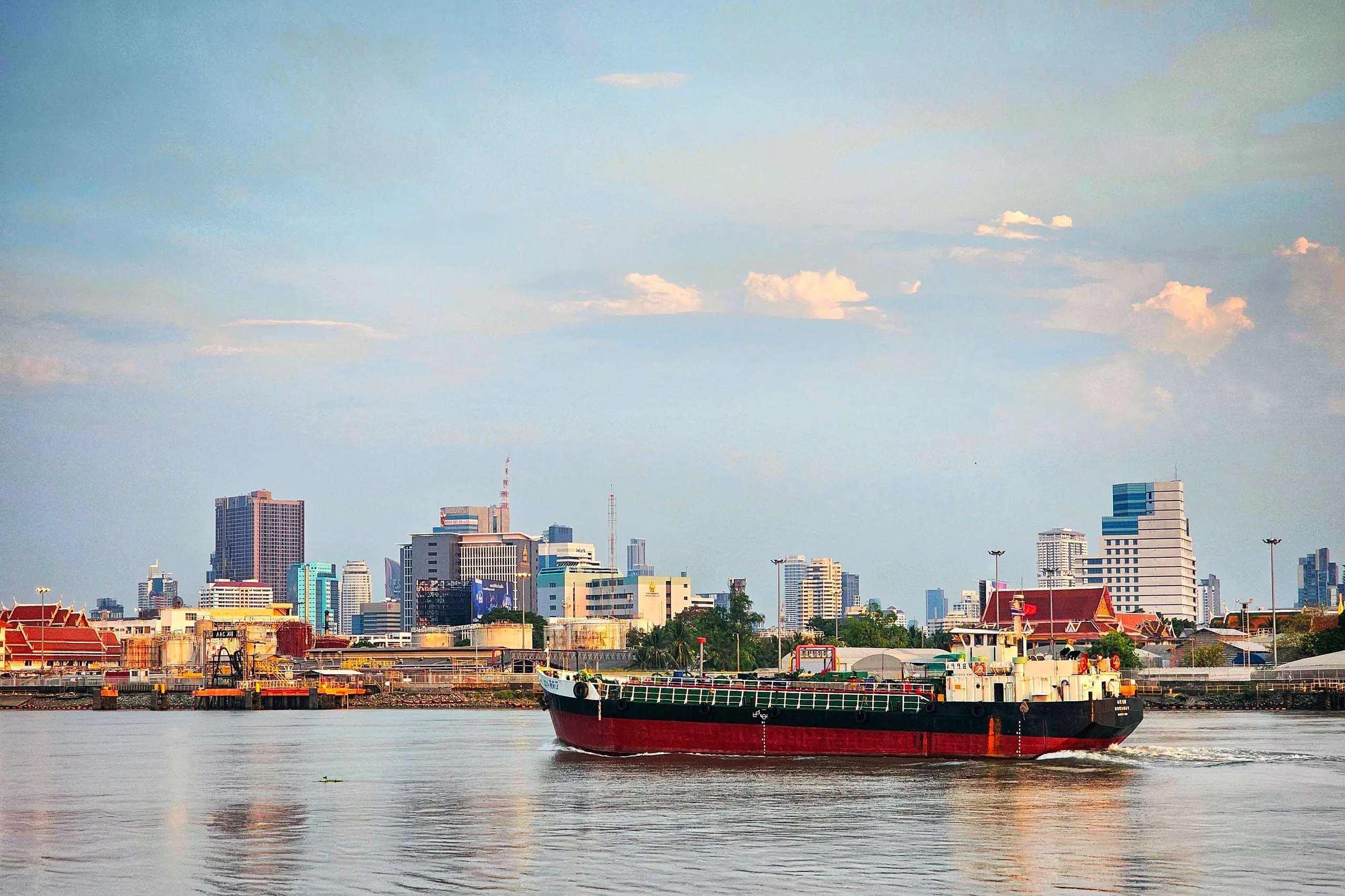
Iran has proposed reopening the Strait of Hormuz in exchange for ending the U.S. naval blockade and the war, deferring contentious nuclear negotiations, regional officials say.
The offer was passed to the Americans via Pakistani mediators and first reported April 26 by Axios. Two regional officials confirmed its outlines to AP News.
The offer would extend or make permanent the existing ceasefire between the U.S. and Iran, according to Axios, reopen the strategically vital waterway through which a significant portion of the world's oil passes, and end the U.S. blockade that has choked off Iranian oil exports, without requiring Tehran to address American demands on its nuclear program upfront.
U.S. reaction
The news outlet reported that President Donald Trump appears unlikely to accept the proposal because the plan does not directly address core disagreements over Iran’s nuclear program that helped lead to the war. Trump has repeatedly emphasized that preventing Iran from obtaining a nuclear weapon is crucial.
According to the Axios report, Trump was expected to hold a Situation Room meeting on April 27 with his top national security and foreign policy team, according to three U.S. officials.
One of the sources added that the team would discuss the stalemate and potential next steps.
"These are sensitive diplomatic discussions and the U.S. will not negotiate through the press,” White House spokesperson Olivia Wales told Axios. “As the president has said, the United States holds the cards and will only make a deal that puts the American people first, never allowing Iran to have a nuclear weapon.”
Iranian diplomacy
Iranian Foreign Minister Abbas Araghchi has been on a diplomatic tour that has included two visits to Pakistan and a stop in Oman, according to Al Jazeera. He arrived in Russia on April 27 for meetings with President Vladimir Putin and other officials.
Araghchi has blamed “excessive” U.S. demands for the lack of progress in talks. He indicated Iran is open to direct negotiations but also highlighted internal divisions in Tehran over nuclear concessions, according to Al Jazeera.
.jpg&w=3840&q=75)




Comments