Saint of the day, April 29
Catherine of Siena is one of the Church’s strongest proofs that sanctity is not synonymous with quietism. She was a contemplative who became a public force, not because she craved influence, but because she loved the Church enough to suffer for her and speak truth to her leaders.
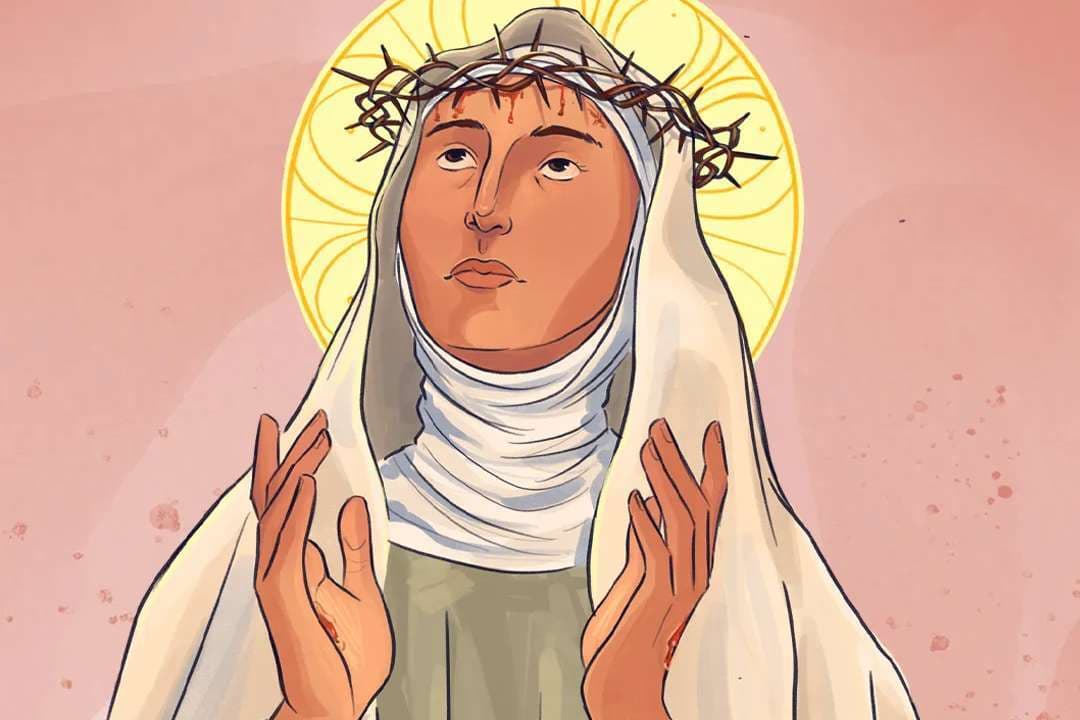
April 29: Saint Catherine of Siena
Born: March 25, 1347, Siena, Republic of Siena (Italy)
Died: April 29, 1380, Rome, Papal States
Nationality: Italian
Vocation / State: Lay Dominican (Third Order of St. Dominic), mystic, reformer, Doctor of the Church
Attributes: Lily, Dominican mantle, crucifix, stigmata (in art), a heart
Patronage: Italy; Europe; nurses; those ridiculed for their piety
Canonization: June 29, 1461, by Pope Pius II
Catherine of Siena is one of the Church’s strongest proofs that sanctity is not synonymous with quietism. She was a contemplative who became a public force, not because she craved influence, but because she loved the Church enough to suffer for her and speak truth to her leaders.
Born into a large family in Siena, Catherine showed early religious intensity and resisted her parents’ plans for marriage. She eventually joined the Dominican Third Order (the “Mantellate”[Mantel wearers]), living a life of prayer and service as a laywoman in the world. Her spirituality was not vague. It was fiercely Christ-centered, shaped by confession, fasting, prayer, and an intense devotion to the Precious Blood. She experienced mystical graces, but she also experienced spiritual warfare, dryness, and the burden of responsibility.
Catherine’s life took a decisive turn when her interior prayer began to overflow into public mission. She became a counselor to priests, civic leaders, and eventually popes. At a time when the papacy resided in Avignon (France) and Church politics were tangled with European power struggles, Catherine urged Pope Gregory XI to return to Rome. Her letters are astonishing: direct, reverent, bold, and unwilling to flatter. She treated the pope as a father… and also as a man accountable to God.
After Gregory’s return and death, the Great Western Schism erupted. Catherine threw herself into the agony of ecclesial division, urging obedience to the legitimate pope and pleading with leaders to choose unity over faction. She did not do this as a political strategist; she did it as a woman convinced that the Church is the Mystical Body of Christ, and that division is not merely administrative chaos but spiritual wound.
Catherine died at thirty-three, physically worn down by penance and relentless labor. She left behind hundreds of letters and profound spiritual teaching, including The Dialogue, a spiritual masterpiece written as a direct conversation between God the Father and the saint herself during her ecstasies. The work outlines the entire spiritual life, focusing on divine providence, the metaphor of Christ as the "Bridge," spiritual discretion, and obedience, aimed at guiding souls toward union with God.
She was declared a Doctor of the Church in 1970, a recognition of the theological weight of her work.
Catherine matters now because she shows how to combine contemplation with courage: deep prayer that produces public truth-telling, and love for the Church that refuses to pretend her wounds are normal.
Saint Catherine of Siena, pray for us!


.jpg&w=3840&q=75)



Comments