Scottish bishop welcomes prime minister’s call to address major care gaps before considering assisted suicide debate
A Scottish bishop praises the UK prime minister's call to fix gaps in palliative and social care before considering assisted suicide legislation.

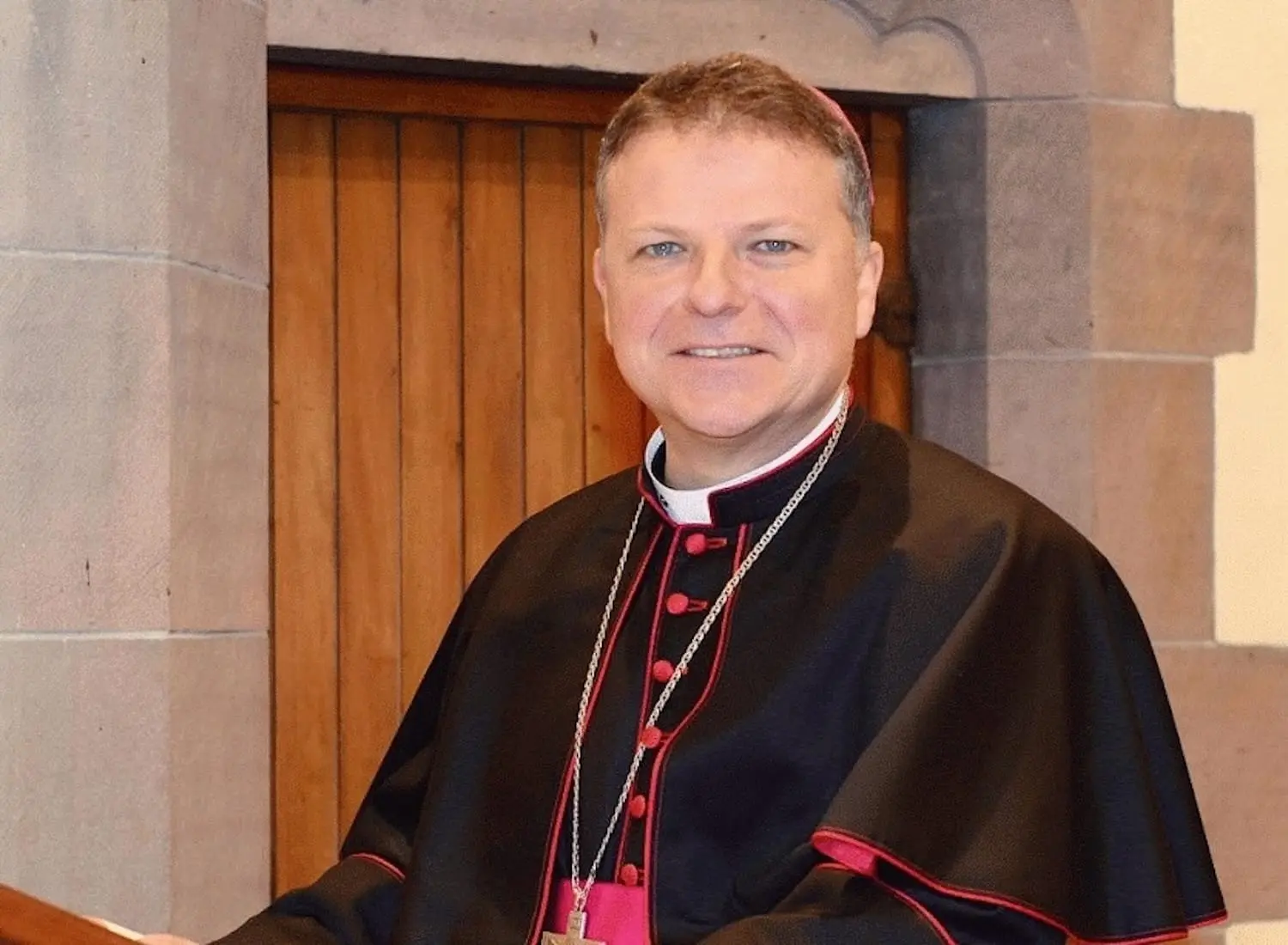
Bishop John Keenan of the Diocese of Paisley, Scotland, this week praised remarks from the new prime minister (PM) of the United Kingdom as an intervention in the push for assisted suicide legislation, as the PM said gaps in palliative and social care should be fixed before assisted suicide is even considered in debate again.
“We have a duty to ensure that every person approaching the end of life has access to the compassionate palliative and social care they deserve,” Bishop Kennan said in a July 30 statement. “No one should ever feel driven towards assisted suicide because they lack the care, support or dignity they need.”
According to The Guardian, Andy Burnham, who stepped into the position of PM in July, recently gave a speech at a care home in London where he emphasized that debate on assisted suicide should wait until palliative and social care is fixed. The outlet reports that Burnham “said he was not opposed to having the debate on assisted dying, but told reporters it would be ‘very challenging’ to introduce the controversial legislation until the care system was in a better place.”
Bishop Keenan said the bishops are grateful that the Scottish Parliament recently “resolutely” rejected assisted suicide, a 69-57 vote that took place in March.
“We hope this latest intervention will encourage Members of the Westminster Parliament to reflect carefully before taking a step that would fundamentally change the way our society cares for the sick and vulnerable,” Bishop Keenan said.
He also recalled that Anthony Horan, the bishops’ Catholic Parliamentary Officer, said, “The last thing the country needs is another divisive debate about assisted suicide.”
Horan also underscored the prime minister’s call to improve social and palliative care rather than offering state-sanctioned suicide to vulnerable populations.
“I share that conviction wholeheartedly,” Bishop Keenan said. “This is an opportunity to rethink the whole approach to assisted suicide. The compassionate response to suffering is never to help people end their lives, but to ensure they receive the high-quality care, love and accompaniment they need.”
“Let us pray for all who are seriously ill, for their families and carers, and for those in public office,” he concluded, “that they may always uphold the dignity of every human life and work to build a society that truly cares for its most vulnerable members.”






Comments