Senate advances DHS funding bill that cuts off ICE and border patrol, adjourns for Easter break without debating SAVE America Act
The U.S. Senate on March 27 unanimously passed a bill to fund most of the Department of Homeland Security (DHS) amid an ongoing partial government shutdown but omitted funding for Immigration and Customs Enforcement (ICE) and Customs and Border Protection (CBP).

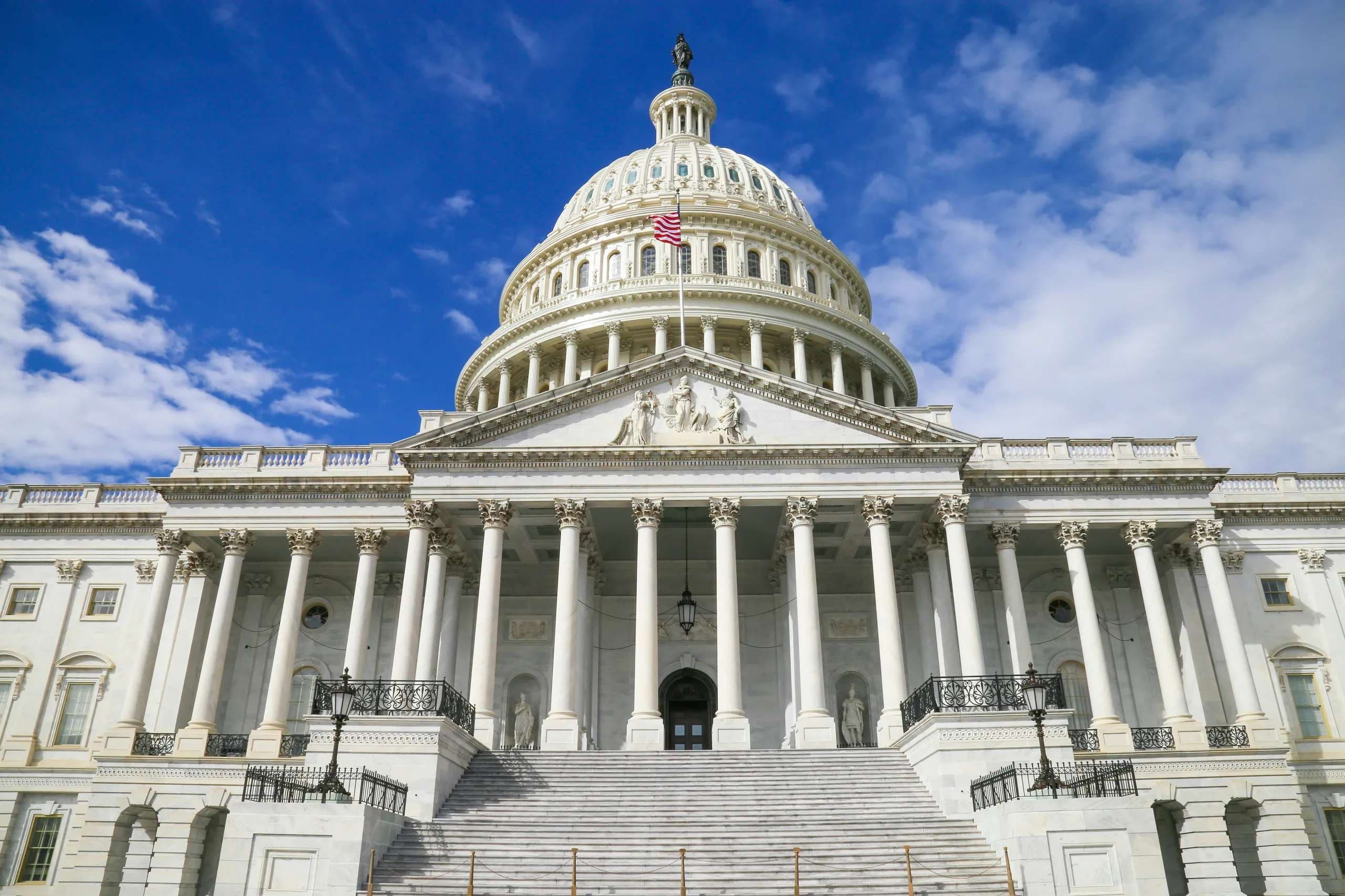
The U.S. Senate on March 27 unanimously passed a bill to fund most of the Department of Homeland Security (DHS) amid an ongoing partial government shutdown but omitted funding for Immigration and Customs Enforcement (ICE) and Customs and Border Protection (CBP).
The Senate approved the measure by a voice vote around 2:20 a.m. after a marathon session. The bill would fund agencies including the Transportation Security Administration (TSA) while leaving core immigration enforcement components without standard appropriations.
House rejects Senate bill, proposes stopgap
The bill then moved to the House, where House Speaker Mike Johnson, R-La., rejected it, saying that House Republicans will not “be part of any effort to reopen our borders to stop immigration enforcement.” Johnson instead proposed a stopgap measure to fund the entire department through May 22 and said he intends to hold a vote “as soon as possible.”
“This gambit that was done last night is a joke,” Johnson told reporters of the Senate-passed measure. “I’m quite convinced that it can’t be that every Senate Republican read the language of this bill.”
“It is unconscionable to me that the Democrats would force some sort of negotiation at 3:00 in the morning and try to hoist this on the American people and then get on their jets and go home for their holiday and pretend and think that we’re going to go along with it,” Johnson said, later adding that House Republicans will instead “do the right thing” both “morally” and “politically.”
President Donald Trump also criticized the Senate bill in a call with FOX News correspondent Jacqui Heinrich, saying it “wasn’t good” or “appropriate.” He urged the Senate to eliminate the filibuster and “just vote” because “you can’t have a bill that’s not going to fund” ICE or “any form of law enforcement.”
Meanwhile, Senate Minority Leader Chuck Schumer, D-N.Y., said on social media that a continuing resolution would be “dead on arrival in the Senate, and Republicans know it.”
Standoff leaves key ICE funding and policy unresolved
While the One Big Beautiful Bill, which Trump signed in July 2025, provides some funding for ICE and CBP through 2029, it does not cover the agencies’ professional and civilian support staff, who haven’t been paid since the shutdown began, according to FOX News congressional correspondent Bill Melugin.
Melugin also pointed out that Senate Democrats emerged from the DHS funding standoff empty-handed, having secured none of the ICE policy reforms that they had sought in February and extended the shutdown to obtain. Those proposals included requiring agents to show identification, increasing congressional oversight, and restricting immigration enforcement at sensitive locations – even though Republicans had already agreed to some of those changes.
Trump signs executive order to fund TSA
Hours after the Senate passed the bill, Trump signed an executive order to restart pay for TSA agents, who have gone more than a month without a full paycheck during the partial shutdown – contributing to long lines and delays at major U.S. airports. In a presidential memorandum, Trump said he has determined that the lack of pay for TSA workers “constitute[s] an emergency situation compromising the Nation’s security.”
Senate adjourns without action on voter ID act
Shortly after the vote, the Senate adjourned for a two-week Easter recess without taking action on the Safeguard American Voter Eligibility (SAVE America), which has been under debate in recent weeks. The decision to take recess sparked criticism from several House Republicans who had urged them to continue debating the measure.
The act – passed by the House Feb. 11 – would require documentary proof of U.S. citizenship to vote in federal elections and photo identification at the polls. The legislation remains short of the 60 votes needed in the Senate to overcome a filibuster. Democrats have uniformly opposed the measure and described it as voter suppression, while Republicans argue it is necessary to safeguard election integrity.
The measure is now on hold until the Senate returns from recess on April 13.




Comments