Senate funding deal would block Trump grant reform until December
The bipartisan CR would derail OMB’s planned Oct. 1 rollout of safeguards against pro-abortion spending, unlawful DEI, gender ideology, and other misuse of federal grants.
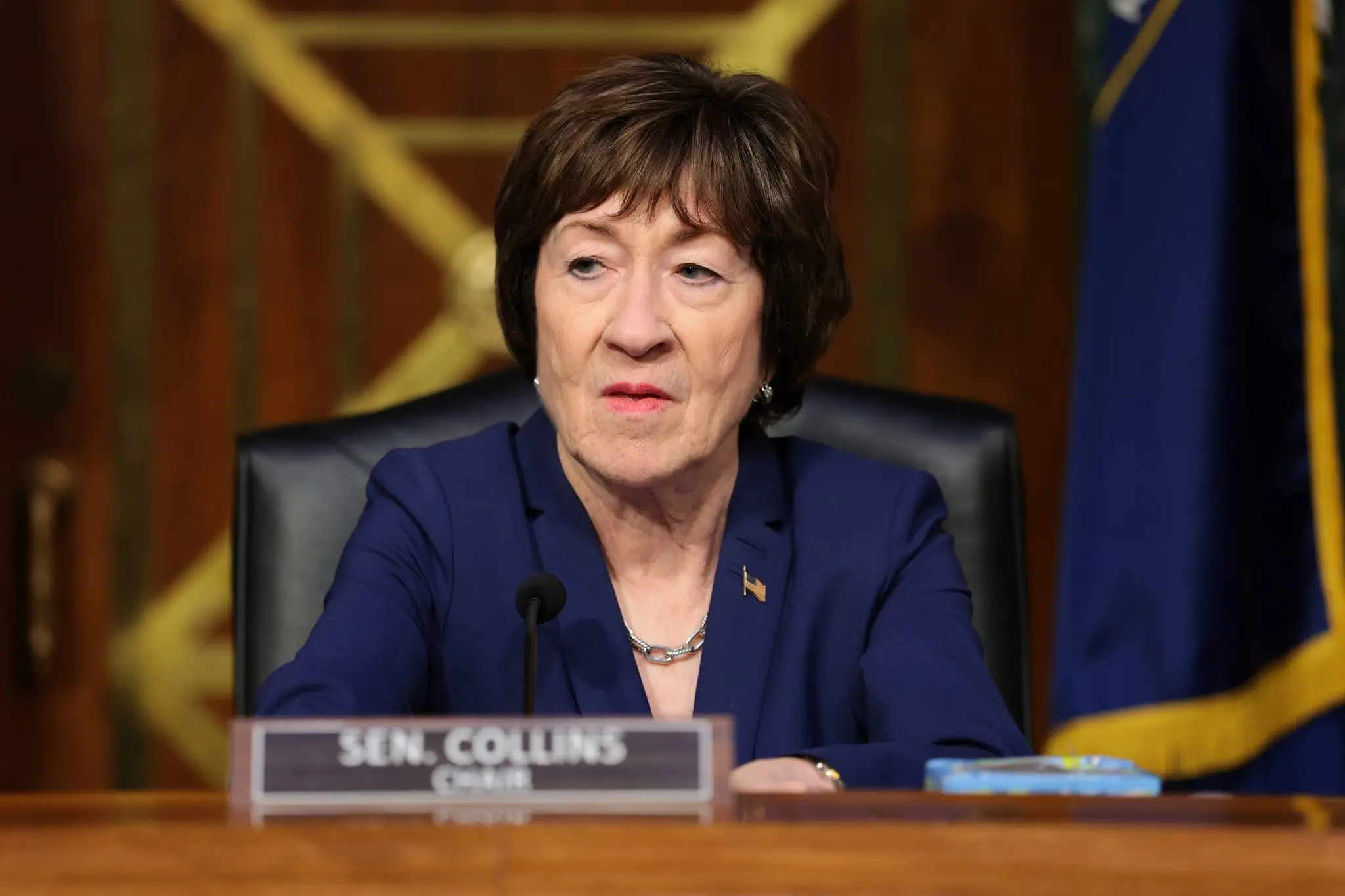
A Senate funding deal released Aug. 2 would block the Office of Management and Budget’s (OMB) planned Oct. 1 rollout of a grant reform that would curb taxpayer funding for DEI programs, gender ideology, and pro-abortion spending.
Section 157 of the draft continuing resolution (CR) would bar OMB from issuing or finalizing its proposed rule, or a substantially similar rule, through Dec. 11. If OMB finalized the reform before the CR became law, the rider would prevent it from taking effect during that period. Democrats and Republican Senate Appropriations Committee Chair Susan Collins of Maine have worked together to thwart the grant-accountability rule.
The Senate is scheduled to take its first procedural vote on the CR draft the evening of Aug. 3, with leaders hoping to complete the bill before the chamber leaves for its August recess. The House passed a different CR July 21 by a 220-205 vote. The House measure lasts through Dec. 4 and does not include the OMB rider, meaning the chambers would still have to agree on the same text.
CatholicVote Director of Government Affairs Tom McClusky urged Catholics to oppose the Senate bill if the rider remains.
“If it includes language to reverse the Office of Management and Budget efforts to defund the left by putting safeguards on government grants, Catholics should oppose it,” McClusky told Zeale News. “It’s bad enough they aren't defunding Planned Parenthood – but now they want to keep the money going to all the bad actors?”
The rider would technically delay rather than permanently reverse the reform. But its opponents have made clear that they intend to use the pause to seek its complete defeat.
As Zeale News previously reported, CatholicVote joined a coalition in July praising the OMB proposal for bringing new scrutiny to grants that could use taxpayers’ money to benefit abortion providers, ideological advocacy organizations, and other controversial recipients.
OMB’s May 29 proposal would require proposed discretionary awards to undergo pre-issuance review by a senior presidential appointee or designee for consistency with federal law, agency priorities, and the national interest. Where applicable, discretionary awards would also have to demonstrably advance the President’s policies.
The reform would prohibit grant-funded activities involving unlawful diversity, equity, and inclusion practices, gender ideology, the subjection of children to “transgender” drugs and procedures, illegal immigration, voter-registration campaigns, and unrelated political advocacy. It would make costs associated with elective abortions ineligible for reimbursement unless expressly authorized by law and strengthen equal-treatment and religious-freedom protections for faith-based applicants.
The reform applies to discretionary awards and generally excludes entitlements, formula and block grants, and disaster-recovery assistance. Any termination would have to be permitted by law, included in the award’s terms, and accompanied by a written explanation. Recipients would also remain eligible for allowable costs incurred before termination.
Collins has nevertheless opposed major portions of the proposal, arguing that it could politicize research funding and harm small and rural grant recipients. She said Aug. 2 that she was “pleased” the bipartisan agreement would prevent the reform from taking effect.
The United States Conference of Catholic Bishops (USCCB) has expressed support for several of the proposal’s central pro-life, pro-family, and religious-freedom safeguards, including restrictions on federally funded activities involving gender ideology and “transgender” medical practices on children.
The USCCB also praised protections for faith-based organizations and described the abortion-funding restriction as laudable in concept, while asking OMB to make it at least as strong as the Hyde Amendment. However, the bishops also raised concerns about the proposal’s language on immigration, “anti-American values,” E-Verify, and grant termination authority.








Comments