Supreme Court blocks order to halt White House ballroom construction
Chief Justice John Roberts temporarily blocked a lower-court order that would have halted above-ground construction on President Donald Trump’s 90,000-square-foot ballroom project.
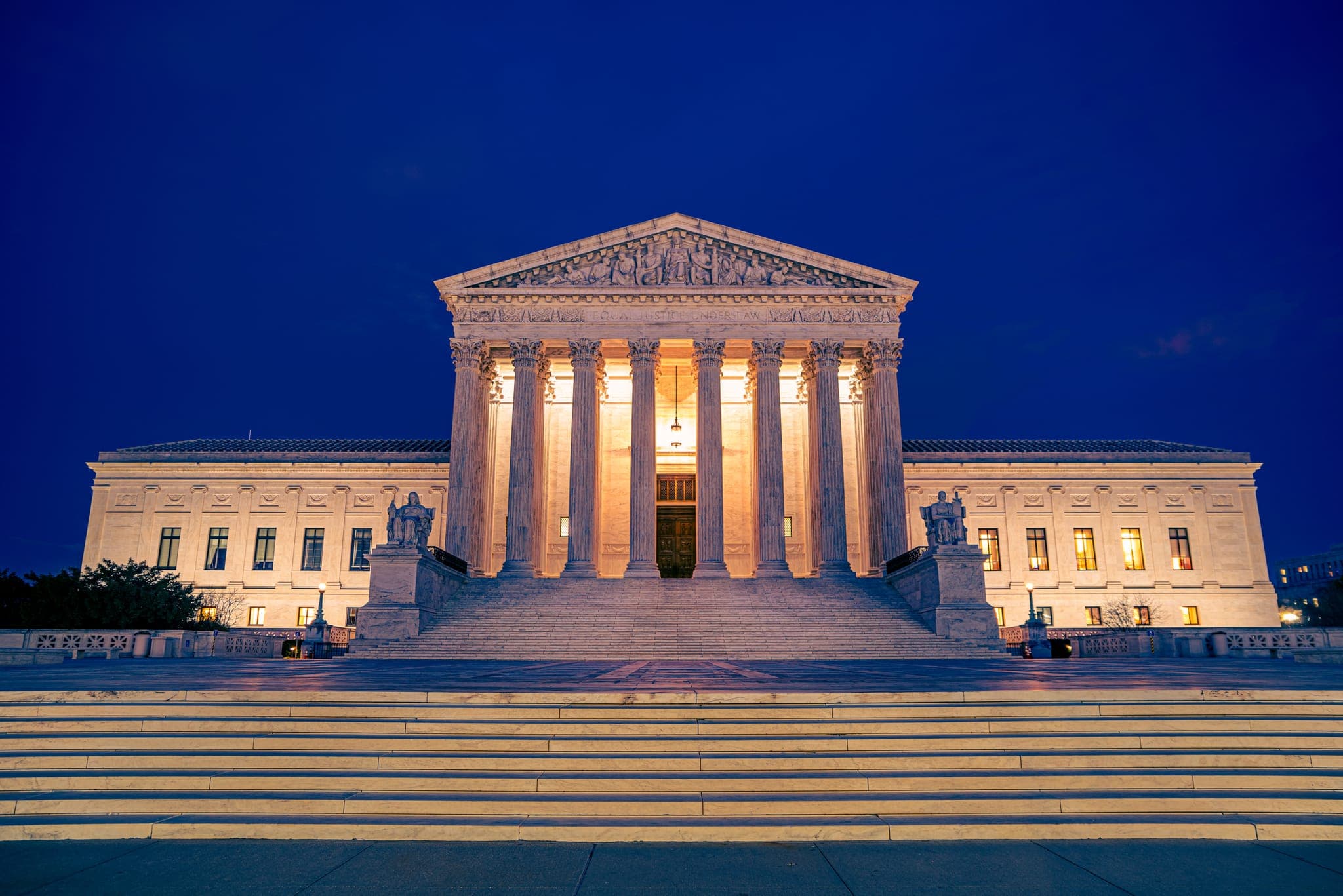
The Supreme Court on Aug 21 temporarily allowed construction of President Donald Trump’s White House ballroom to continue, blocking a lower-court order that would have halted most above-ground work on the project.
Chief Justice John Roberts issued an administrative stay Aug. 21 that keeps U.S. District Judge Richard Leon’s injunction from taking effect while the Supreme Court considers the Trump administration’s request for a longer stay.
The one-sentence order did not indicate when the justices might rule on that request. Roberts handles emergency appeals arising from the District of Columbia.
The dispute centers on the administration’s construction of a 90,000-square-foot ballroom on the site of the former White House East Wing, which was demolished last year. The National Trust for Historic Preservation sued in December to halt the project until it received what the group argues are necessary approvals, including congressional authorization.
Leon subsequently barred most above-ground construction while permitting work on underground security infrastructure, including bunkers and bomb shelters, to continue. The U.S. Court of Appeals for the District of Columbia Circuit upheld Leon’s ruling Aug. 7 but delayed its implementation for 14 days to allow the administration to appeal to the Supreme Court.
The administration asked the high court to intervene Aug. 14.
Solicitor General D. John Sauer argued that halting construction would interfere with an “integrated military complex” that includes a secure ballroom and is “vitally required by national security.”
Sauer said a 250-person crew has been working 20 hours per day, seven days per week, and that the overall project was already 65% complete as of last week.
As Zeale News previously reported, Trump revealed in March that the military is constructing what he called a “massive complex” beneath the ballroom.
“The ballroom essentially becomes a shed for what's being built under,” Trump said at the time.
The White House has said the underground portion of the $400 million, privately funded project serves national security purposes but has declined to disclose further details.
Security surrounding the ballroom took on heightened attention following the April 25 shooting at the White House Correspondents’ Association Dinner in Washington. Zeale News reported that Trump argued after the attack that the new White House ballroom, which is expected to feature bulletproof glass and protections against drones, would provide a more secure venue for major presidential events.
The Justice Department later urged the National Trust to drop its lawsuit, arguing that delaying the project could jeopardize the safety of the President, his family, and White House staff. The group declined.
In its filing opposing a stay, the National Trust accused the administration of attempting to “outrun judicial review” by rapidly advancing construction and then arguing that the project had progressed too far to stop.
The administration maintains that the National Trust lacks legal standing to challenge the project and that Congress has already given presidents authority to make alterations and improvements to the White House.
Roberts’ Friday order does not resolve those questions or indicate how the Supreme Court will ultimately rule. It instead preserves the status quo, allowing construction to continue while the justices consider the administration’s emergency request.

Comments