Supreme Court expands president’s power to fire independent agency officials, overturning 91-year precedent
The Supreme Court ruled that President Donald Trump may remove members of most independent federal agencies without showing cause, significantly expanding presidential authority over the executive branch. The decision overturns part of a 1935 precedent.

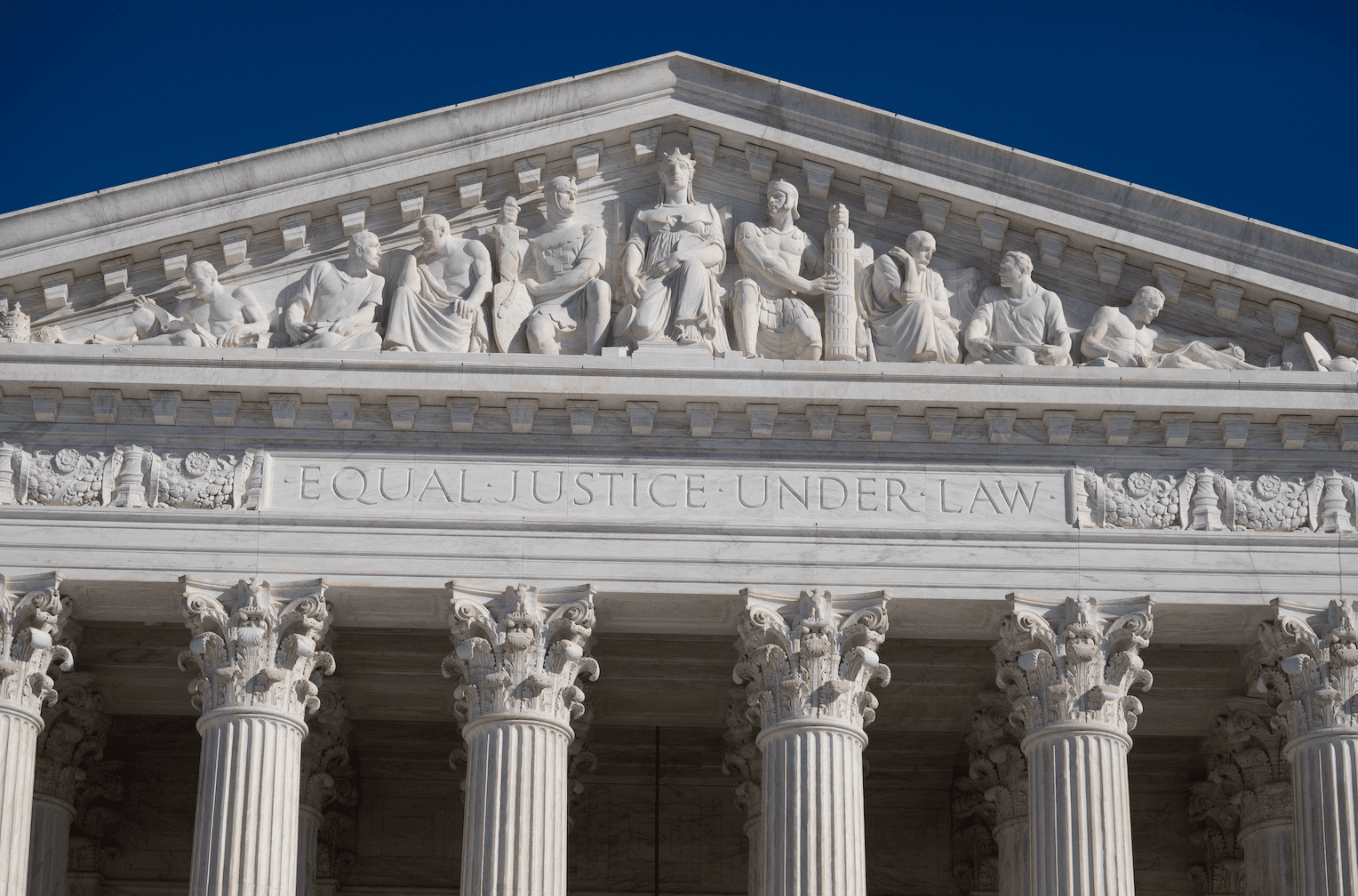
The Supreme Court on June 29 handed President Donald Trump a major victory in his effort to expand presidential control over the executive branch, ruling that Congress cannot shield members of most independent federal agencies from removal by the president.
In a 6-3 decision in Trump v. Slaughter, the court held that statutory protections preventing presidents from removing commissioners of the Federal Trade Commission except for cause violate the Constitution's separation of powers. The ruling overturns part of the court's landmark 1935 decision in Humphrey's Executor v. United States, which had allowed Congress to insulate members of independent regulatory commissions from at-will dismissal.
Chief Justice John Roberts, writing for the majority, said Article II of the Constitution vests executive power in the president and requires that officials exercising executive authority remain accountable to the nation's chief executive.
"The President must have the assistance of officers he can trust," Roberts wrote. "Subordinates who exercise the President's power are subject to removal by him. Then, and only then, can they remain accountable to the President, and the President to the people."
The case arose after Trump dismissed Democratic FTC Commissioners Rebecca Kelly Slaughter and Alvaro Bedoya in March 2025 without citing the FTC Act's requirement that commissioners may be removed only for "inefficiency, neglect of duty, or malfeasance in office." Instead, Trump told Slaughter her continued service was "inconsistent with my Administration's priorities."
A federal district court ordered Slaughter reinstated, relying on Humphrey's Executor, and the U.S. Court of Appeals for the District of Columbia Circuit declined to pause that ruling. The Supreme Court first stayed the reinstatement before agreeing to hear the case on the merits.
Court rejects limits on presidential removal power
The majority concluded the modern FTC exercises substantial executive authority through investigations, enforcement actions, rulemaking, and administrative adjudications, making its commissioners executive officers who must remain subject to presidential control.
The decision builds on a series of recent rulings strengthening presidential authority over the executive branch, including Seila Law LLC v. Consumer Financial Protection Bureau and Free Enterprise Fund v. Public Company Accounting Oversight Board, which narrowed Congress' ability to insulate executive officials from removal.
Justice Neil Gorsuch filed a separate concurrence arguing the court should eventually go further by reconsidering the broad powers exercised by independent agencies.
Liberal justices warn of expanded executive authority
Justice Sonia Sotomayor, joined by Justices Elena Kagan and Ketanji Brown Jackson, dissented.
Sotomayor argued that Congress deliberately created independent commissions to exercise regulatory authority without direct presidential control and warned the ruling dramatically alters the constitutional balance among the branches of government.
"Today," she wrote, "the Court discards" that longstanding framework "in favor of one that distorts the structure of Government to fit the majority's theory of unitary, total executive control."
The dissent said the decision places dozens of agencies, including the Federal Energy Regulatory Commission, Consumer Product Safety Commission, Nuclear Regulatory Commission, and Merit Systems Protection Board, under greater presidential control.

Comments