Supreme Court hands Trump administration 2 immigration wins
The Supreme Court on June 25 handed the Trump administration two major immigration victories, clearing the way for officials to end Temporary Protected Status (TPS) for nationals of Haiti and Syria and upholding the government’s authority to turn back some asylum seekers before they physically reach U.S. soil.

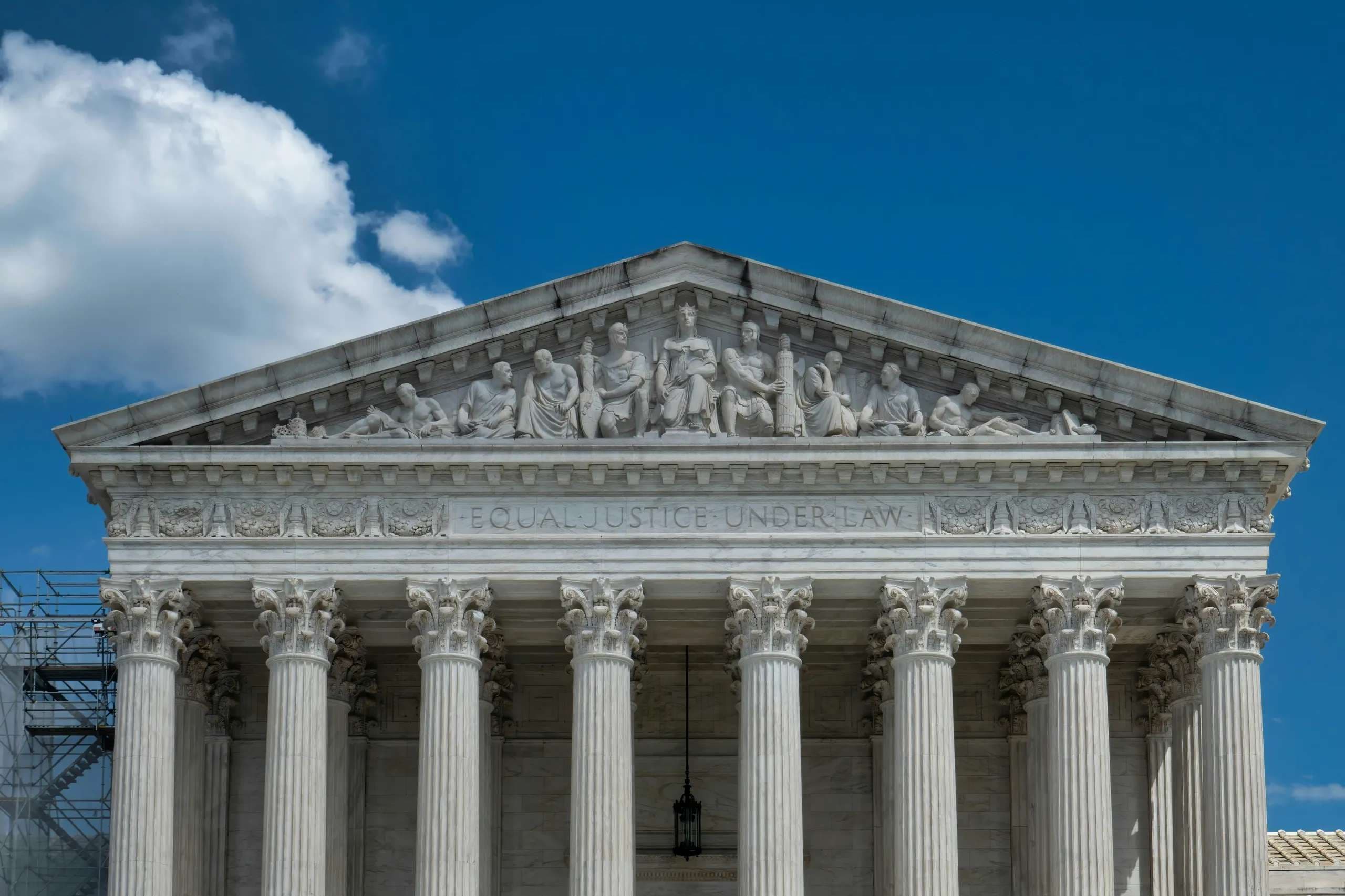
The Supreme Court on June 25 handed the Trump administration two major immigration victories, clearing the way for officials to end Temporary Protected Status (TPS) for nationals of Haiti and Syria and upholding the government’s authority to turn back some asylum seekers before they physically reach U.S. soil.
Court allows end of TPS protections
In a 6-3 decision, the justices sided with the administration in its bid to terminate TPS for more than 350,000 Haitians and about 6,100 Syrians, ruling that federal courts generally lack authority to review the challenged termination decisions.
Justice Samuel Alito, writing for the conservative majority, said the TPS statute’s bar on judicial review “is clear, and its meaning is very broad.” The court also found that the challengers’ claims were unlikely to succeed.
TPS, which Congress created in 1990, shields foreign nationals from deportation and grants work authorization when conditions in their home countries — such as war, natural disasters, or other extraordinary conditions — make returning home unsafe. Haiti first received TPS after the country’s 2010 earthquake, while Syria received the designation in 2012 amid the country’s civil war.
The Trump administration has moved to end the designation for more than a dozen countries, arguing they no longer qualify and that prior extensions under the Biden administration stretched the program beyond its intended purpose.
The court’s three liberal justices dissented. Justice Elena Kagan, joined by Justices Sonia Sotomayor and Ketanji Brown Jackson, wrote that at this stage of the litigation, the Haitian and Syrian TPS beneficiaries “ask for only one thing: that they may stay in this country while they continue to litigate their claims.”
“[T]hey are entitled to that relief, and should not instead be consigned to devastating, and indeed life-threatening, injury,” Kagan wrote.
Court upholds border turnbacks
In a separate 6-3 ruling, the court said the government may turn back asylum seekers who remain on the Mexican side of a port of entry and have not yet entered the U.S. but attempt to request protection from U.S. officers. The decision provides the Trump administration with legal support to revive a border policy rescinded by the Biden administration.
The policy, known as “metering,” allows border officials to limit how many migrants are processed at ports of entry by directing some asylum seekers to wait in Mexico before they physically enter the U.S. The practice began in 2016 under the Obama administration in response to overcrowding at ports of entry, expanded under the first Trump administration, and was rescinded in 2021 under the Biden administration, as Zeale News previously reported.
Under federal law, a noncitizen who “arrives in” the U.S. may apply for asylum. But migrants turned back under metering remain on the Mexican side of the border, and the government argued that they are ineligible to apply for legal protection in the U.S.
Alito, again writing for the majority, said that under ordinary circumstances, a person does not “arrive in” the U.S. by “attempting, and failing, to set foot in this country.”
“In ordinary speech, no one would say that a person ‘arrives in’ a place — for example, a house, a city, or a country — before the person enters that place,” he said.
The liberal justices again dissented.Sotomayor criticized the majority for adopting an interpretation she said allows officials to block migrants from accessing mandatory inspection and asylum procedures at ports of entry.
.jpg&w=3840&q=75)




Comments