Trump administration unveils ‘economic D-Day’ sanctions against Iran
The Treasury Department sanctioned nearly 60 Iran-linked targets but stopped short of immediately penalizing major foreign banks that continue doing business with Tehran.

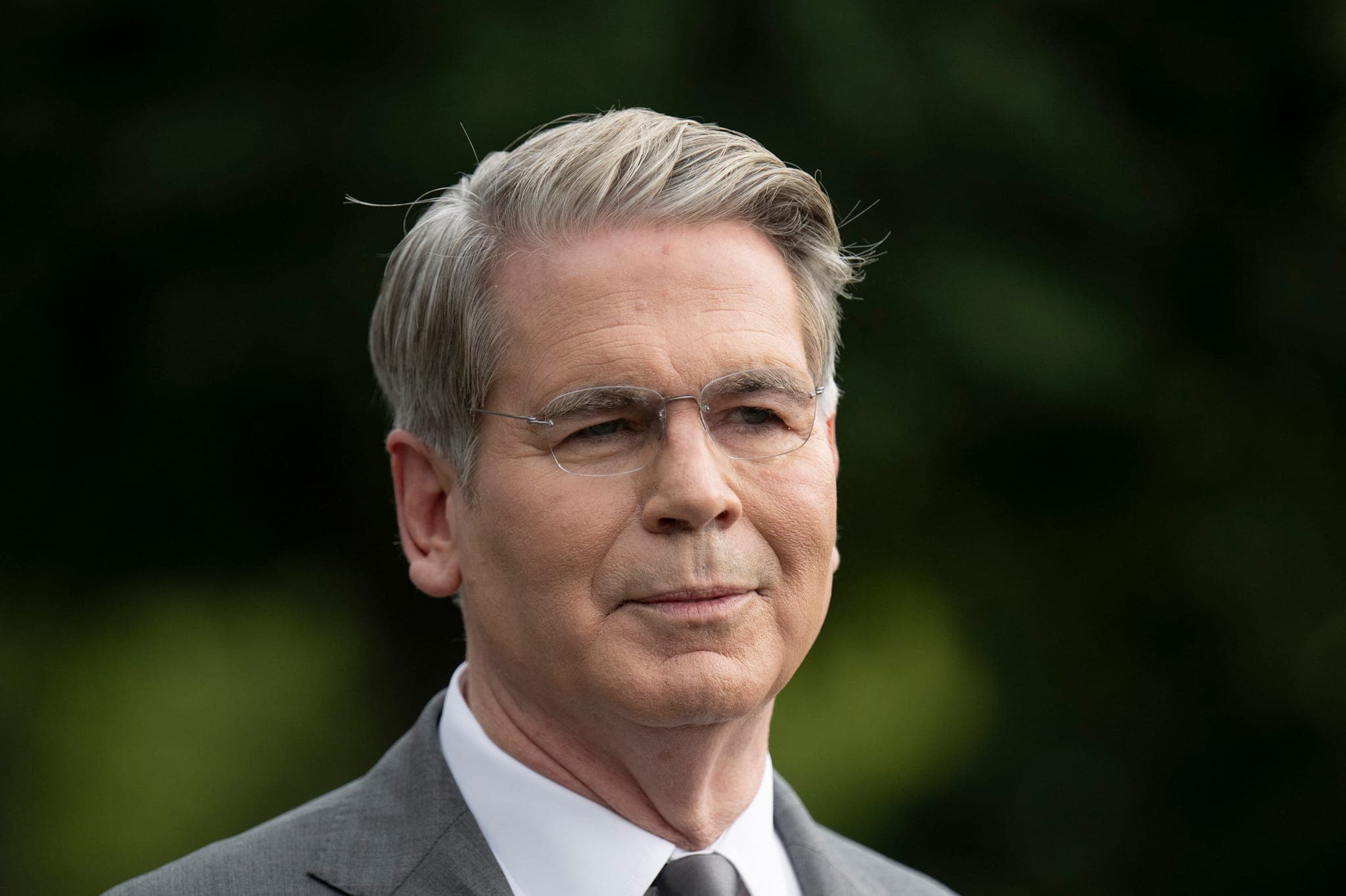
The Trump administration launched what it called an “economic D-Day” against Iran Aug. 24, unveiling a new round of sanctions against Tehran and warning foreign countries and companies to cut ties with the country or face U.S. penalties.
Treasury Secretary Scott Bessent said during a press conference that the campaign, named “Operation Economic Outcast,” is intended to isolate Iran from the global financial system “until Iran stands alone.”
“In the Second World War, D-Day marked the historic beginning of a campaign with our allies to target and drive the enemy from its positions, including those in third countries,” Bessent said. “Today, in that same spirit, we are launching an economic onslaught against Iran’s financial connections around the globe.”
The announcement comes nearly six months into the conflict that began with joint U.S.-Israeli strikes against Iran Feb. 28.
According to a Treasury Department press release, the new sanctions determinations cover five sectors of Iran’s economy: digital assets, technology, gold, aviation, and shipping.
The department’s Office of Foreign Assets Control (OFAC) also sanctioned nearly 60 individuals, companies, and vessels in several countries that it accused of supporting Iran’s nuclear and missile procurement, cyber operations, and oil-revenue networks.
AP News reported that the sanctions included businesses in China, Hong Kong, the United Arab Emirates, Singapore, and other countries.
OFAC also suspended several general licenses that had authorized certain remittance payments to Iran and some Iranian participation in U.S. programs. The agency issued additional guidance warning companies about the sanctions risks of complying with Iranian demands affecting shipping through the Strait of Hormuz, according to the release.
Bessent said any entity that facilitates money laundering for Iran “will be removed from the U.S. dollar system.” However, he said many of the threatened secondary sanctions would not take effect immediately, giving foreign governments and businesses time to end their dealings with Tehran.
“We are giving everyone the opportunity to remedy bad behavior,” Bessent said. “Why would I want to blow up the global financial system? We believe that it is important to level set and give people a cure period, but they should know that that will move very quickly and that we are serious.”
Bessent said he expects to announce sanctions against a major financial institution by the end of the week. He also said President Donald Trump has been calling world leaders and asking them to end their countries’ economic interactions with Iran.
The economic campaign “will not end until this regime stands alone,” Bessent said.
Asked whether Chinese banks that finance Iranian oil imports could be subjected to the threatened penalties, Bessent said “no one is above the reach of U.S. sanctions.”
The announcement is the latest in a series of Treasury actions targeting Iran’s economy. On Aug. 7, the department sanctioned several companies and individuals it accused of laundering money for Tehran.
Bessent said the new measures leave Iran with a clear choice: “complete global isolation and a subsistence economy or a path back to normalcy with an opportunity to rejoin the global economy.”

.jpg&w=3840&q=75)


Comments