Trump announces Doha talks with Iran as ceasefire remains fragile
President Donald Trump said U.S. officials will meet with Iranian representatives in Doha on June 30 to address disputes over implementing the Lake Lucerne memorandum of understanding, though Tehran denied requesting direct talks.

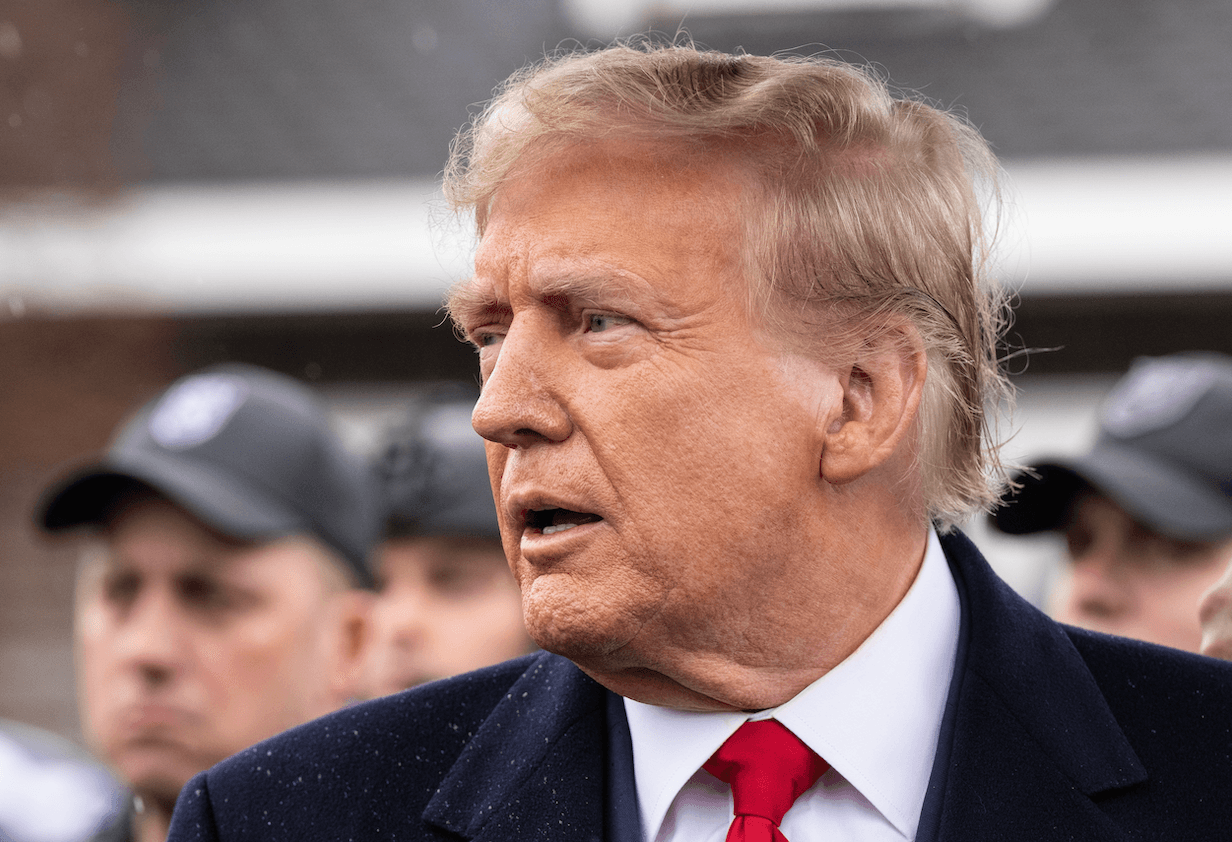
President Donald Trump announced June 29 that U.S. officials will meet with Iranian representatives in Doha on June 30, even as Tehran denied requesting direct talks with the U.S.
"IRAN HAS REQUESTED A MEETING. IT WILL TAKE PLACE TOMORROW IN DOHA!" Trump wrote on Truth Social, offering no additional details.
White House Press Secretary Karoline Leavitt later said the meeting would be held with special envoy Steve Witkoff and former White House adviser Jared Kushner. According to U.S. officials cited by Axios, the talks are expected to focus on implementing the memorandum of understanding reached at the Lake Lucerne summit earlier this month, particularly disputes over shipping through the Strait of Hormuz, while technical negotiations continue.
Iranian officials disputed Trump's characterization of the meeting.
According to a June 29 report from Al Jazeera, Iranian Foreign Ministry spokesman Esmaeil Baghaei said no direct U.S.-Iran meetings have been scheduled and that Tehran's delegation is traveling to Doha only to consult with Qatari and Pakistani mediators on implementing the memorandum of understanding reached at the Lake Lucerne summit. He said discussions will focus on provisions covering U.S. sanctions relief, Iran's oil exports, and the release of frozen Iranian assets, while stressing that negotiations on a broader agreement have not yet begun.
Baghaei said Iran believes implementation has moved too slowly, particularly provisions related to easing restrictions on Iranian oil sales, though he acknowledged that Washington has begun taking steps required under the agreement. Iranian officials also have objected to what they describe as differing U.S. interpretations of the memorandum's provisions governing commercial shipping through the Strait of Hormuz, which has become the most immediate point of contention.
The disagreement comes after several days of renewed military exchanges that threatened the ceasefire. The Trump administration launched retaliatory strikes on Iranian military targets after accusing Tehran of attacking commercial shipping in the Strait of Hormuz, while Israel also carried out strikes during the ceasefire period against what it described as Hezbollah-linked targets in Lebanon, prompting criticism from Trump that Israel risked undermining the agreement. Those exchanges have heightened pressure on negotiators to clarify how the memorandum will be enforced and prevent another escalation.
Stakes of the Doha meeting
According to Axios, the Doha talks are expected to center on the competing interpretations of its provisions governing the Strait of Hormuz. U.S. officials say Iran agreed to allow commercial vessels to move freely through the strategic waterway while Washington lifted its naval blockade of Iranian ports. But the agreement has already been tested after Iran asserted that ships should once again coordinate their passage through the strait before the U.S.-Iran military hotline envisioned under the memorandum became operational.
The Strait of Hormuz carries roughly one-fifth of the world's seaborne oil, making freedom of navigation a priority for both governments and a key concern for global energy markets. U.S. officials told Axios the talks also are expected to address implementation of sanctions relief, including Iranian oil exports and access to frozen assets, while laying the groundwork for a return to negotiations over Tehran's nuclear program, including limits on uranium enrichment, international inspections, and long-term verification measures.
Iran, meanwhile, is expected to press for faster implementation of the economic provisions of the memorandum and recognition of its right to maintain a civilian nuclear program.
.jpg&w=3840&q=75)




Comments