Trump says Iran talks begin Monday after canceling ‘biggest attack since World War II’
The President says Gulf allies and Iran asked him to give diplomacy more time as negotiators seek to reopen the Strait of Hormuz and revive a June peace framework, though Tehran has not accepted his account or the proposed terms.
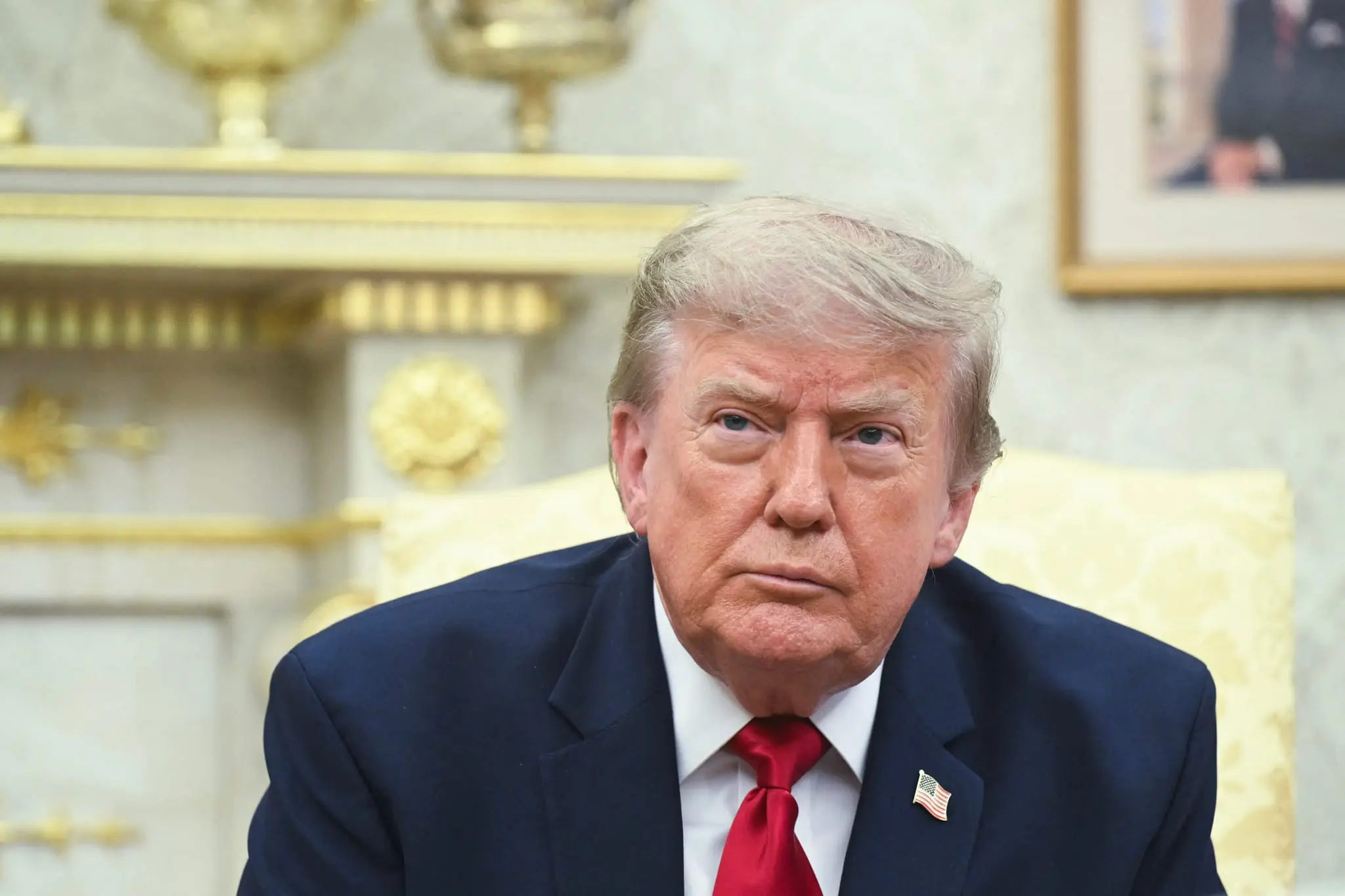
President Donald Trump said Aug. 2 that negotiations with Iran would begin the next afternoon after he canceled a massive planned U.S. strike, creating a new but uncertain opening toward an end to the five-month war.
Trump said the original planned operation “would have been by far the biggest attack since World War II” and “disastrous” for Iran.
Reuters reported July 31, citing CBS News sources, that U.S. and Israeli officials had been preparing strikes on Iranian energy infrastructure, but Trump did not confirm whether those targets were part of the canceled plan.
Trump said Saudi Arabia, the United Arab Emirates, Qatar, and Iran had urged him not to launch the attack. Saudi Crown Prince Mohammed bin Salman told him regional governments “would much prefer a deal as opposed to an attack, because you don’t know where these attacks lead,” according to the President.
In a Saturday Truth Social announcement, Trump claimed regional governments had reached the “perimeters of a deal” providing for the immediate and complete reopening of the Strait of Hormuz and a guarantee of no nuclear weapons development on the part of Iran. He said Israel had joined his commitment to pursue the agreement and that the attack would remain canceled only if a deal could be completed rapidly.
Trump did not disclose the location, participants, or format of Monday’s planned negotiations, and Iran has not announced a delegation. The President also declined to set a deadline.
“I’m not looking to kill people,” Trump said, adding that an agreement addressing Hormuz and Iran’s nuclear program was imminent.
AP News reported Aug. 2 that a regional official involved in mediation had told the outlet the tentative proposal would return the U.S. and Iran to negotiations, reopen the strait, and halt attacks throughout the region, including attacks by Iranian-backed militias in Iraq against Gulf countries and Jordan.
In exchange, the official said, Washington would end its naval blockade of Iran and permit Tehran to export oil under the earlier ceasefire framework. The official stressed that no final deal had been reached.
The blockade remains active. U.S. Central Command said Aug. 2 that it had redirected 35 commercial vessels, disabled two, and boarded two.
Tehran, meanwhile, challenged Trump’s description of events. Iranian Foreign Ministry spokesman Esmaeil Baqaei said later the same day that the President’s claim that Iran had asked the U.S. to stop the attack was unfounded. He also insisted that “under no circumstances” would the Strait of Hormuz return to its prewar status.
Baqaei said Iran and Oman were nearing an agreement on a new shipping route through the strait, but described those talks as separate from any decision to reopen the waterway. Iran has largely closed Hormuz, which carried about 20% of the world’s oil and liquefied natural gas before the war. The closure has driven up energy prices and broader inflation. Oil prices fell more than 4% in early Monday trading as markets reacted to Trump’s statements about renewed diplomacy.
There was nevertheless a new signal of support for talks on Iran’s part. Iranian President Masoud Pezeshkian reaffirmed the June memorandum of understanding signed by the U.S. and Iranian presidents, calling it the future “center of gravity” of Iranian foreign relations and urging the other side to honor it. The June ceasefire framework, intended to lead to a permanent peace, has not held.
The diplomatic turn follows the escalation Zeale News reported July 31: Iranian missile attacks targeting U.S. forces in Jordan and Kuwait, renewed U.S. strikes inside Iran, and a widening conflict that reached Iraq and Egypt.
Israel has not publicly confirmed Trump’s account that it joined the latest commitment. Israeli Energy Minister Eli Cohen said Aug. 2 that Israel would strike if Iran attempts to revive its nuclear program or advance its ballistic missile industry, with or without an agreement. Iran denies seeking a nuclear weapon.
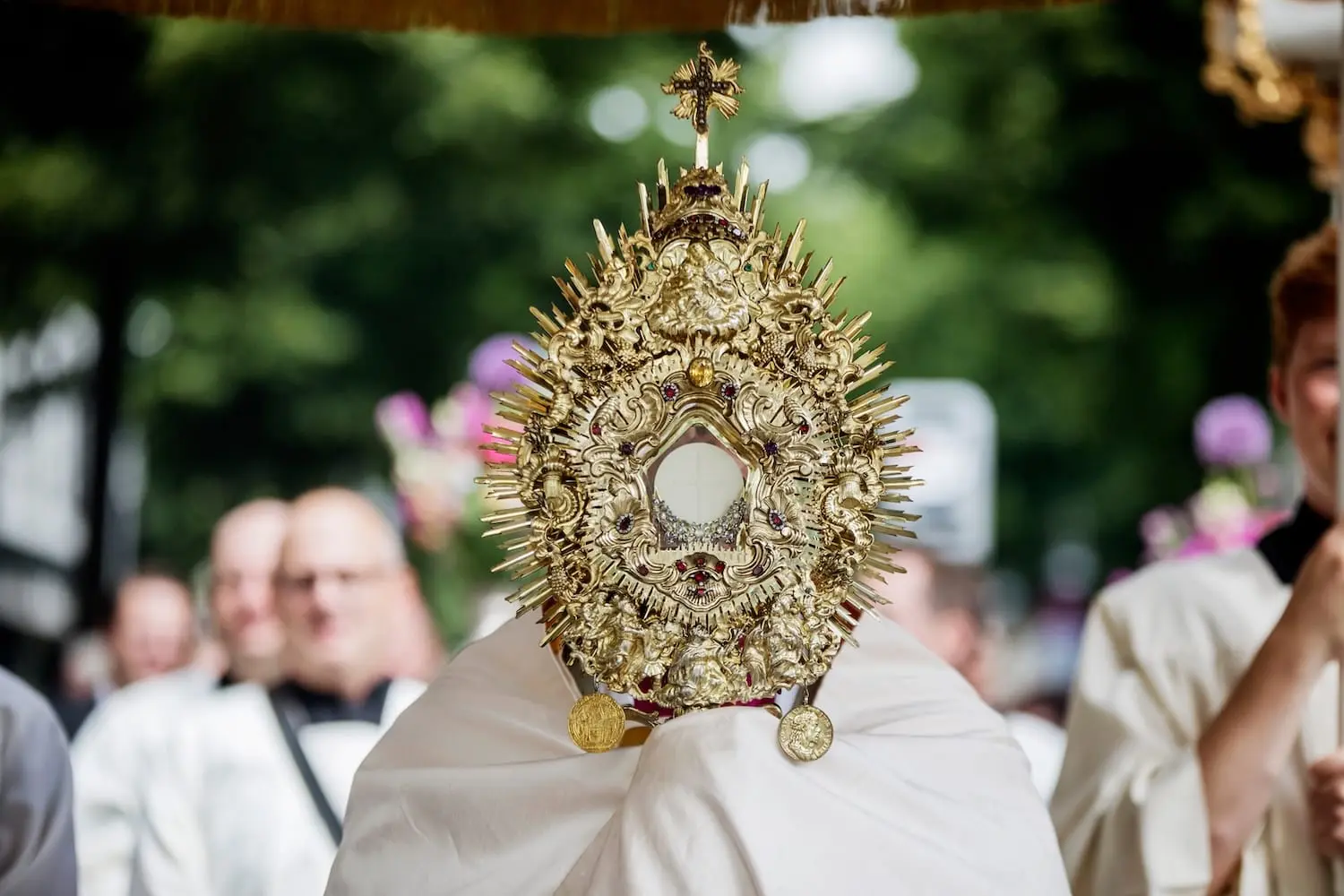
Hours before Trump announced the Monday talks, Pope Leo XIV appealed for wars to “cease throughout the world” and called for “diplomatic solutions to conflicts.” The Holy Father had called specifically July 26 for parties in the Middle East “to suspend the attacks and urgently reopen paths of dialogue and diplomacy.”




Comments