Trump to let housing bill become law unsigned, protests Senate inaction on SAVE America Act
President Donald Trump is allowing a bipartisan housing bill to become law unsigned to pressure the Senate to pass the SAVE America Act, his top election-integrity priority.
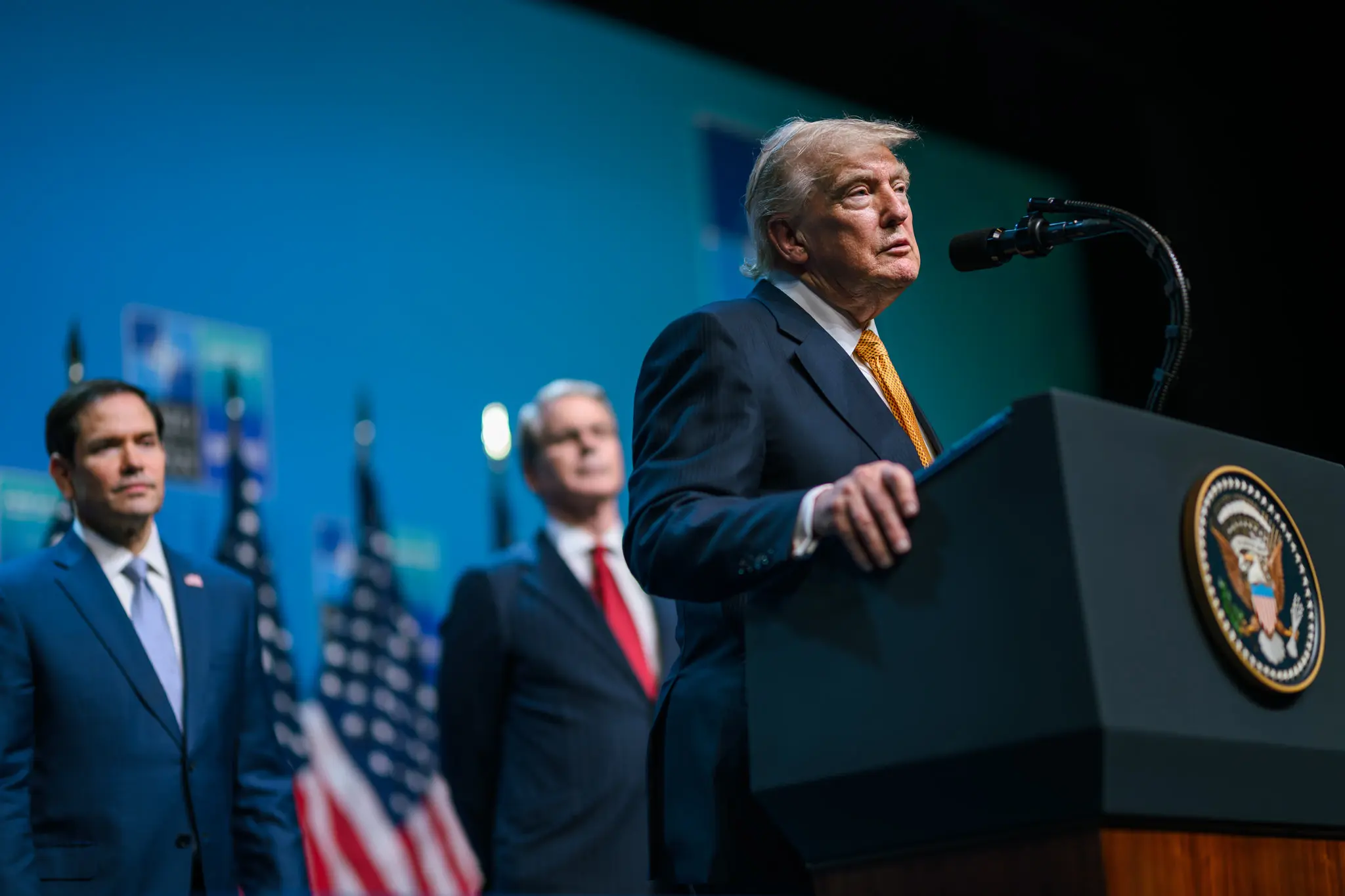
President Donald Trump said July 10 that he would allow a sweeping bipartisan housing bill to become law without his signature, withholding his formal endorsement in protest of the Senate’s failure to pass the Safeguard American Voter Eligibility (SAVE America) Act, his top election-integrity priority.
“I will not sign the Housing Bill,” Trump wrote in a Truth Social post, saying his decision was a protest against what he called the Senate’s inability to approve the SAVE America Act. The President did not veto the housing measure, however, meaning it could take effect without his signature after the constitutional review period expired, the AP News reported.
The legislation, known as the 21st Century ROAD to Housing Act, passed the Senate by an overwhelming 85-5 vote and cleared the House 358-32. Under the Constitution, a bill becomes law if the President neither signs nor returns it within 10 days, excluding Sundays, as long as Congress remains available to receive a veto.
Trump used the decision to renew pressure on Republican senators to advance the SAVE America Act, which passed the House in February but remains stalled in the Senate.
The election legislation would require applicants to present documentary proof of U.S. citizenship when registering to vote in federal elections, require voters to show photo identification before casting a federal ballot, and direct states to remove noncitizens from their voter rolls, according to the bill’s Senate sponsors.
Trump also described the act as a way to curtail mail-in voting, with exceptions for members of the military, people with disabilities or illnesses, and travelers. He claimed the measure enjoys 97% support among Republicans and strong support among voters outside the Democratic political establishment.
“The SAVE AMERICA ACT’S non-passage is CRAZY,” the President wrote, warning of political consequences for lawmakers who oppose it. Trump again urged Senate Republicans to “terminate the filibuster” if Democrats and Republicans unwilling to support the bill continue blocking its passage.
Because the Senate generally requires 60 votes to advance contested legislation, Republicans cannot pass the election bill with their current majority unless they attract Democratic support, use another parliamentary route, or change the filibuster rules. Senate Majority Leader John Thune, R-S.D., has resisted Trump’s repeated calls to eliminate the filibuster.
Trump’s refusal to sign the housing bill followed through on a pressure campaign he began in June. As Zeale News previously reported, the President canceled a June 24 signing ceremony hours before it was scheduled to begin, declaring that the event would not take place until Congress passed the SAVE America Act.
“Today’s Housing News Conference and Signing is hereby cancelled until such time as we pass the desperately needed SAVE AMERICA ACT, which I consider to be a National Emergency,” Trump said at the time.
He later called the housing package a “Warren centric housing bill,” referring to Sen. Elizabeth Warren, D-Mass., one of the lawmakers involved in negotiating it, and said it “pales in comparison” to the election bill.
Despite the President’s criticism, the housing legislation includes several policies his administration previously supported. In a June proclamation for National Homeownership Month, Trump called on Congress to pass the package, describing it as “the most comprehensive and consequential housing legislation in the history of our country,” according to the White House.
The 21st Century ROAD to Housing Act is intended to increase the national housing supply and reduce costs by streamlining federal and environmental reviews, modernizing manufactured-housing rules, expanding financing tools, and reducing regulatory barriers to construction.
It would also limit certain large institutional investors from competing with families for single-family homes and give community banks greater flexibility to support housing development. Senate Banking Committee Chairman Tim Scott, R-S.C., said the legislation was built around four principal goals: cutting red tape, unlocking housing supply, lowering costs for families, and adding no new federal spending, according to the Senate Banking Committee.
The White House has estimated that the country faces a shortage of approximately 10 million homes. Supporters of the bill argue that increasing construction and limiting corporate purchases will help more families enter the housing market, though the measure does not address every factor contributing to rising prices, including labor shortages, insurance costs, and wages that have failed to keep pace with housing expenses.
House Speaker Mike Johnson, R-La., had urged Trump to sign the bill but also acknowledged that it would become law without the President’s signature.
“I hope he does sign it,” Johnson said after Congress sent the measure to the White House. “If he doesn’t, it’s still law. We’ll still celebrate it.”
Johnson also defended Trump’s broader purpose, saying the President was effectively emphasizing the importance of the SAVE America Act. Democrats, meanwhile, accused Trump of subordinating housing affordability to his election agenda.
The President’s decision leaves Congress with two sharply different outcomes: the housing package will move forward without his name attached, while the SAVE America Act remains stalled in the Senate.





Comments