Trump’s 10% global tariffs struck down by federal trade court
A federal trade court ruled May 7 that President Donald Trump’s new 10% global tariffs on most imports were unlawful, marking another legal blow to a part of his economic agenda just months after the Supreme Court struck down an earlier round of sweeping tariffs.

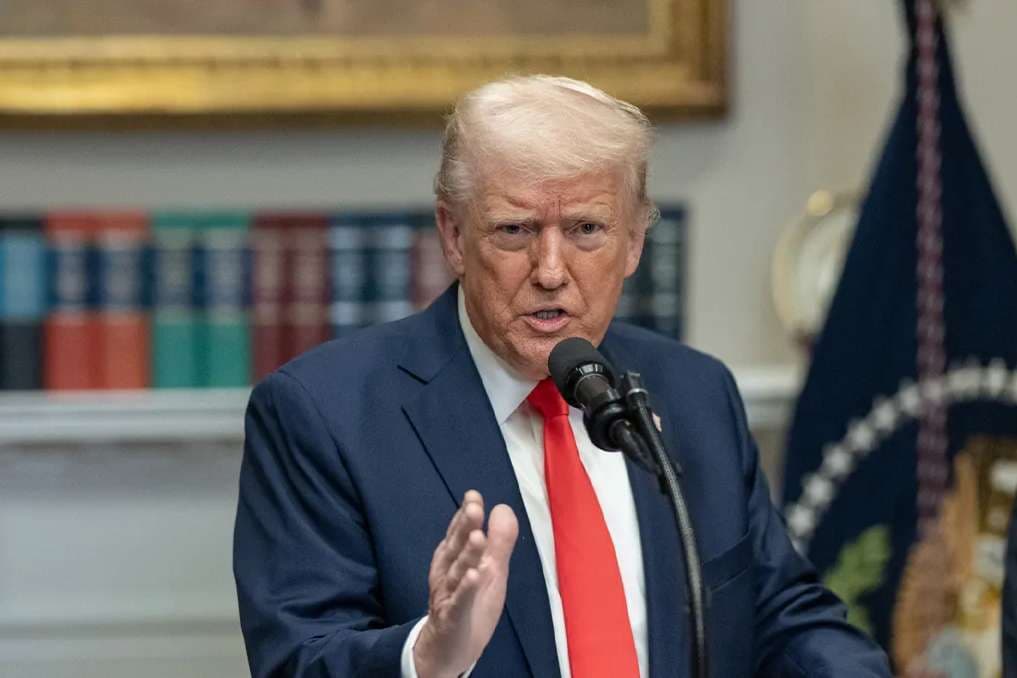
A federal trade court ruled May 7 that President Donald Trump’s new 10% global tariffs on most imports were unlawful, marking another legal blow to a part of his economic agenda just months after the Supreme Court struck down an earlier round of sweeping tariffs.
In a 2-1 decision, a three-judge panel of the U.S. Court of International Trade in New York said Trump exceeded the authority Congress granted under Section 122 of the Trade Act of 1974 when he imposed the across-the-board tariffs in February.
The court said the administration improperly relied on a provision allowing temporary tariffs to address “large and serious” balance-of-payments deficits, concluding that Congress intended the term to apply to a narrower financial condition tied to international payments systems rather than the broader trade deficits Trump cited.
“It is clear that Congress was aware of the differences in the words it chose,” the majority wrote.
The tariffs took effect Feb. 24 and imposed a 10% duty on most imports entering the U.S. Under the law, such tariffs are capped at 15% and limited to 150 days.
The ruling came after the Supreme Court, earlier this year, invalidated Trump’s broader “reciprocal” and emergency tariffs imposed under a 1977 law, finding the President lacked authority to unilaterally impose the import taxes.
The challengers in the latest case included small businesses such as spice importer Burlap & Barrel and toy company Basic Fun, as well as a coalition of mostly Democratic-led states. The court granted relief to the businesses and to Washington state but dismissed many of the states’ claims, finding they lacked standing.
One judge dissented, arguing Congress gave the president broader discretion under the 1974 trade law.
The panel described the tariffs as “invalid” and “unauthorized by law.” The ruling is expected to be appealed and could ultimately return to the Supreme Court.
The tariffs were already scheduled to expire later this summer. The Trump administration has defended the duties as necessary to address trade imbalances and protect American workers. Trump previously criticized the Supreme Court’s earlier tariff ruling as “terrible” and said he would pursue other legal authorities to impose tariffs.






Comments