US bishops commend Trump, Iran agreement as negotiators pursue final deal
The chairman of the U.S. bishops' international justice committee welcomed the Trump administration's memorandum of understanding with Iran, calling it an important step toward ending hostilities and preventing the further spread of nuclear weapons as negotiators worked this weekend to advance the agreement toward a final settlement.

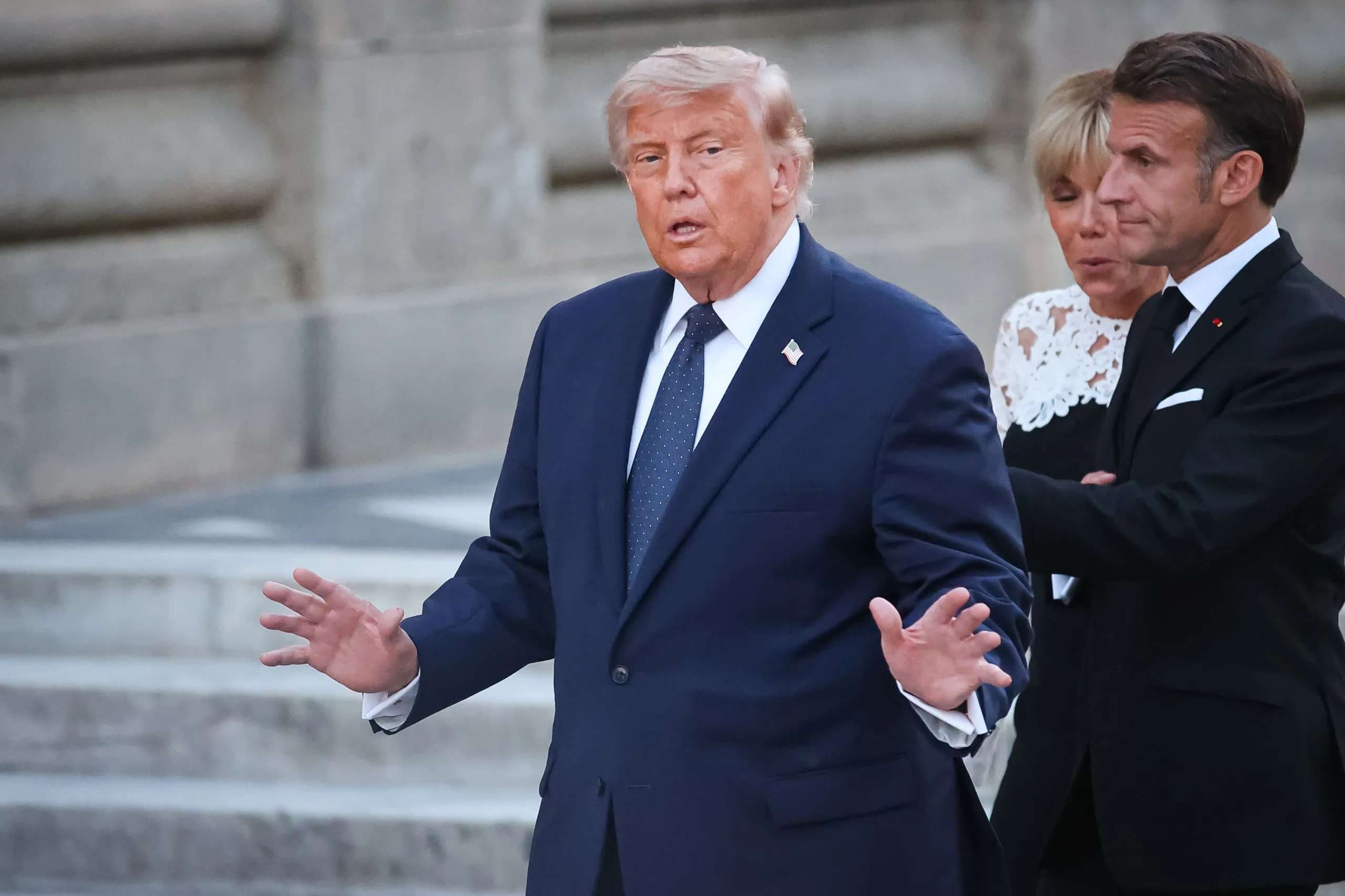
The chairman of the U.S. bishops' international justice committee welcomed the Trump administration's memorandum of understanding with Iran, calling it an important step toward ending hostilities and preventing the further spread of nuclear weapons as negotiators worked this weekend to advance the agreement toward a final settlement.
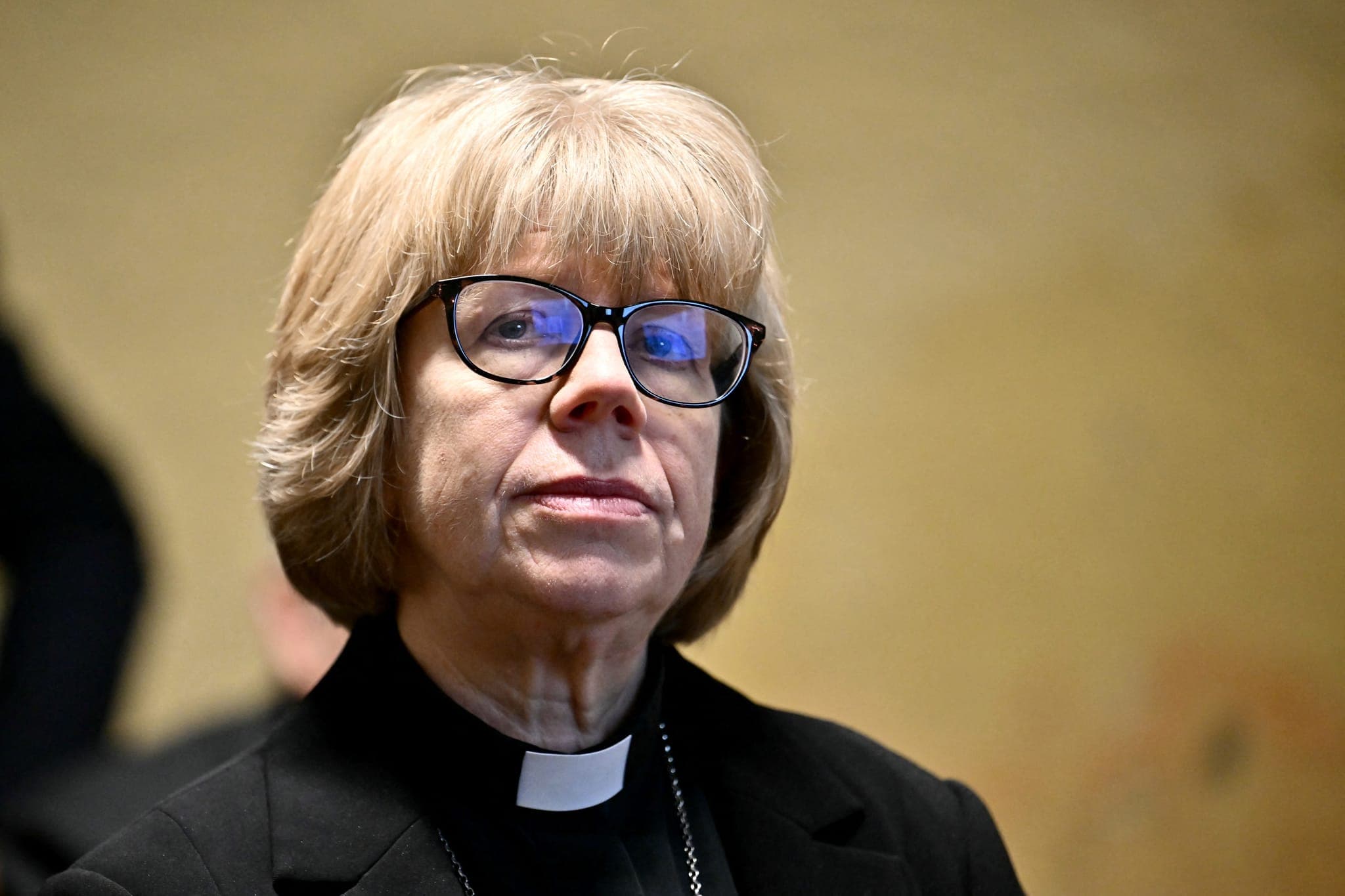
Bishop A. Elias Zaidan, chairman of the United States Conference of Catholic Bishops' Committee on International Justice and Peace, praised President Donald Trump and Iranian President Masoud Pezeshkian for signing the accord, known as the Islamabad Memorandum of Understanding, and urged all parties to continue negotiations in good faith.
"I commend President Trump and President Pezeshkian for taking the vitally important step of signing a memorandum of understanding aimed at ending hostilities between the U.S. and Iran and advancing deeper dialogue for lasting peace in the region," Bishop Zaidan said in a June 19 statement.
He said preventing the further proliferation of nuclear weapons was "critically important for avoiding a dangerous escalation of conflict in the Middle East" and echoed the call of Pope Leo XIV for the agreement to strengthen "mutual trust, security and stability in the Middle East, promoting paths of dialogue and cooperation among peoples.”
Bishop Zaidan also called on the U.S., Iran, and Israel to "prioritize an end to the fighting in Lebanon."
"The disarming of Hezbollah is necessary for peace and development in Lebanon," he added.
Bishop Zaidan cited more than one million people have been displaced by the conflict, including 400,000 children, while thousands have fled to neighboring Syria.
"If the fighting and humanitarian catastrophe continue in Lebanon, I fear that peace across the wider Middle East will remain unreachable," he said.
The bishop’s statement came as U.S. and Iranian negotiators met June 21 in Switzerland under the framework of the memorandum. According to the Institute for the Study of War, Pakistan and Qatar, which are mediating the talks, announced June 22 that the parties had agreed to a roadmap toward a final agreement within 60 days, established a high-level committee to oversee negotiations, and launched technical talks on issues including sanctions, Iran's nuclear program, and implementation of the accord.
The mediators also announced the creation of a communications mechanism intended to prevent incidents in the Strait of Hormuz and ensure the safe passage of commercial shipping, as well as a Lebanon "de-confliction cell" aimed at implementing provisions of the agreement related to the conflict in the area. Technical negotiations are expected to continue throughout the week in Switzerland.
Bishop Zaidan concluded his statement by urging prayers for negotiators, stating “Let us pray that the Holy Spirit, creator and vivifier, may breathe wisdom, compassion, and perseverance into the minds and hearts of the negotiators, so that peace in the region may finally become a reality.”




Comments