US Catholic group removes conference speaker, allegedly under pressure from China
Rep. Chris Smith condemned the incident as an effort by Beijing to extend its repression onto American soil.

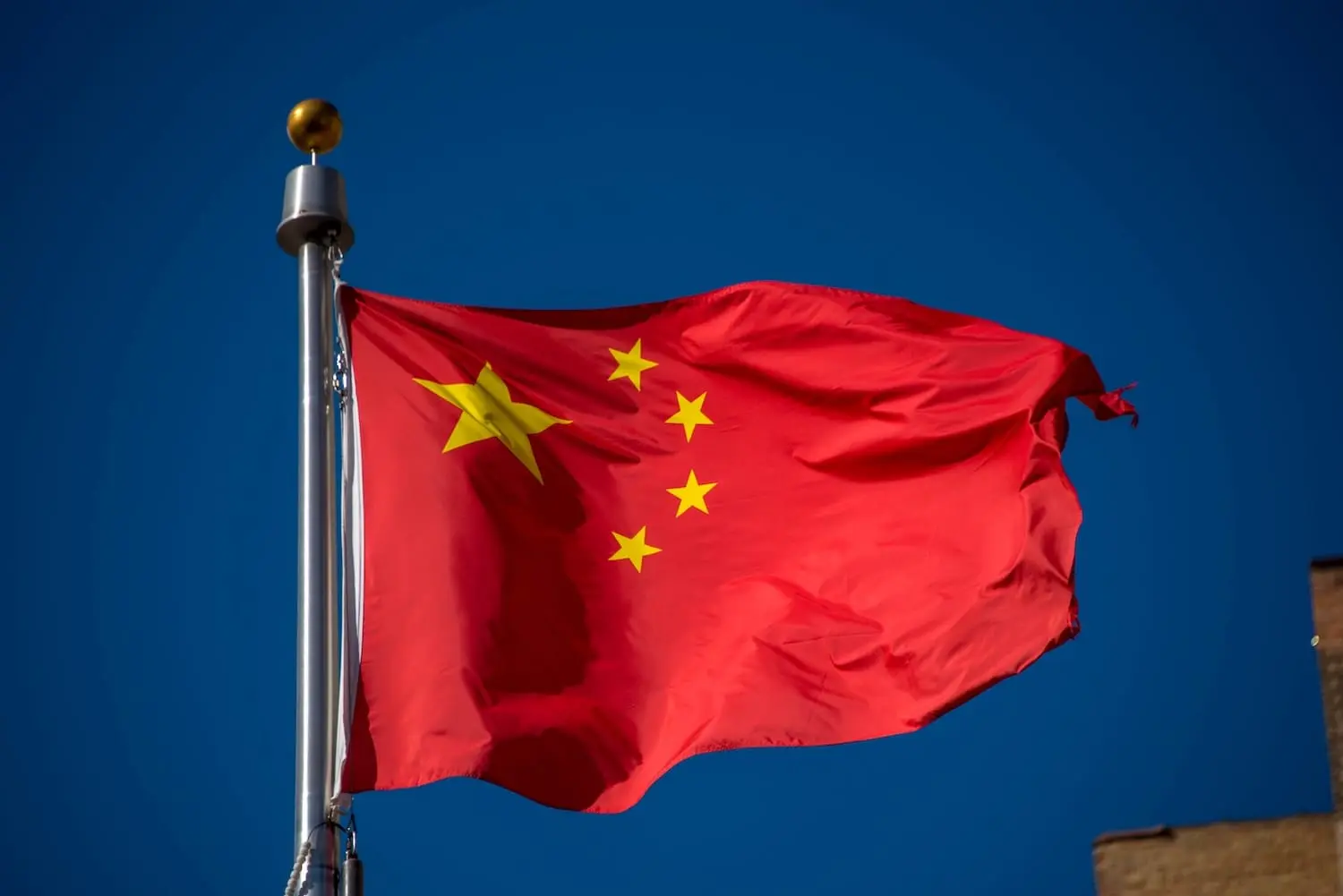
A U.S. Catholic organization removed a prominent scholar from its summer conference after Chinese government officials allegedly pressured the group to cancel his keynote address.
Fenggang Yang, a Purdue University sociology professor and scholar of religion in China, had been invited to deliver the keynote address at the U.S.-China Catholic Association’s July 31- Aug. 2 biennial conference in Houston, Texas. Chinese government officials reportedly demanded that the association remove him from the program because of his criticism of the Chinese Communist Party’s persecution of Christians, according to an Aug. 21 press release from Rep. Chris Smith, R-N.J.
Smith, co-chairman of the Congressional-Executive Commission on China, condemned the reported pressure as an attempt by Beijing to extend its efforts to silence critics beyond China.
“If these reports are accurate, this is yet another outrageous example of the Chinese Communist Party extending its long arm of repression into the United States,” Smith said.
Founded in 1989, the USCCA works to build ties between Catholics in China and the U.S., including through conferences and study tours to China.
The pressure reportedly began in May after USCCA Chairman Peter Tan traveled to Shanghai. According to an Aug. 4 report from Bitter Winter, a magazine focused on religious liberty and human rights, Yang was told that two Chinese officials had demanded his removal from the conference program.
Tan expressed concern about what resisting the request could mean for the organization, according to emails Yang shared with the National Catholic Register.
“We are afraid of being blacklisted and not allowed to visit China again. We also have two Board members in China. They could get into trouble,” Tan wrote in one of the emails.
Yang declined Tan’s request that he voluntarily withdraw from the conference, telling him May 19 that he intended to proceed with the keynote, according to Bitter Winter. His name was later removed from the conference website.
USCCA leaders asked Yang to withdraw in a June 29 letter, according to Bitter Winter, apologizing for the decision and asking him to keep the circumstances confidential. Yang responded the following day that he had never withdrawn voluntarily and criticized the organization’s response to the Chinese pressure, the outlet noted.
In comments to the Register, Tan defended the organization’s approach.
“The USCCA is not a political or human rights organization,” Tan said. “Our mission is promoting friendship and dialog with the Catholic Church in China.”
Smith said the organization should not have accommodated the demands from Chinese officials.
“And a U.S.-based religious organization should never be pressured — or voluntarily agree — to censor a scholar to accommodate the demands of a foreign authoritarian government,” he said. “Americans must never surrender their constitutional freedoms to the dictates of the Chinese Communist Party.”

Comments