USCCB president calls for diplomacy before nuclear weapons treaty expires

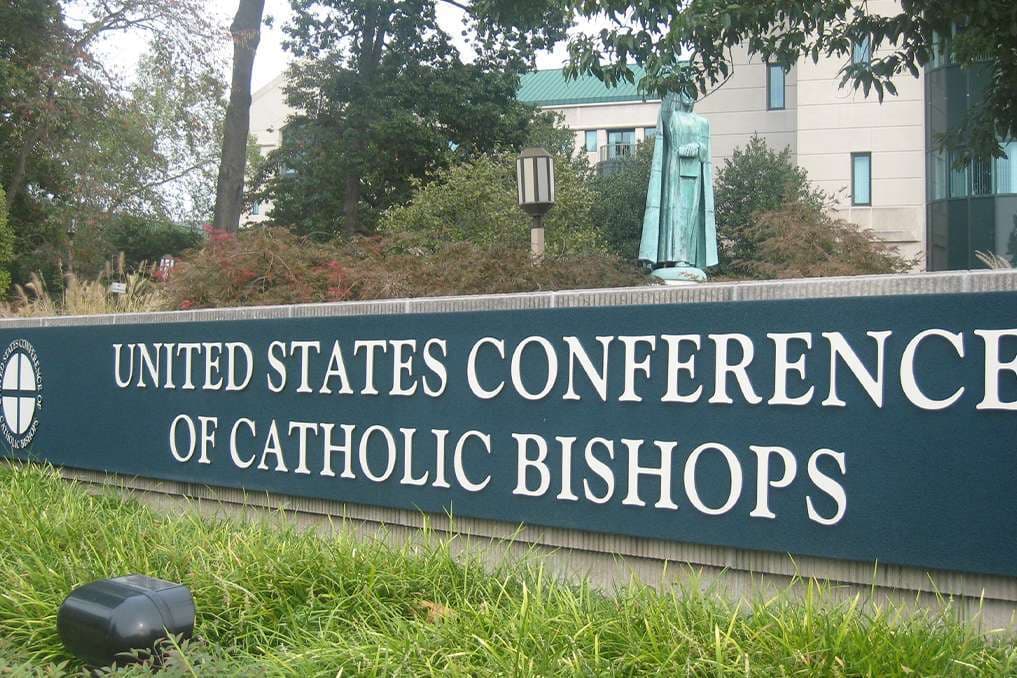
The president of the United States Conference of Catholic Bishops (USCCB) on Feb. 3 urged U.S. and international leaders to pursue diplomatic negotiations to preserve limits on nuclear weapons, calling the looming expiration of the New Strategic Arms Reduction Treaty (START) “simply unacceptable” as wars and global tensions continue to escalate.
In a statement released ahead of the treaty’s scheduled end date of Feb. 4, USCCB President Archbishop Paul Coakley warned that allowing the agreement to lapse would deepen global instability and increase the risk of a renewed nuclear arms race. He asked people to pray for what he described as the courage needed to secure lasting peace.
“The dangers posed by current conflicts around the world, including the devastating war in Ukraine, make the forthcoming expiration of New START simply unacceptable," Archbishop Coakley said. "I call on people of faith and all men and women of good will to ardently pray that we, as an international community, may develop the courage to pursue an authentic, transformative, and lasting peace."
Signed in 2010 and extended in 2021, New START is the last remaining major nuclear arms control agreement between the U.S. and Russia. Without a replacement or extension, there would be no legally binding limits on the world’s two largest nuclear arsenals for the first time in decades.
Archbishop Coakley pointed to recent remarks by the Pope to emphasize the moral urgency of renewing the treaty, particularly as rapid advances in military technology increase the dangers posed by nuclear weapons.
“In his address to the diplomatic corps this year, Pope Leo XIV specified the importance of renewing the pact, saying that there is a ‘need to follow-up on the New START Treaty,’ and warning that ‘there is a danger of returning to the race of producing ever more sophisticated new weapons, also by means of artificial intelligence,’” the archbishop said.
He also noted Catholic teaching on peace and disarmament, referencing St. John XXIII’s call for “integral disarmament” grounded in trust rather than parity in arms.
Archbishop Coakley quoted the late pope who said, “True and lasting peace among nations cannot consist in the possession of an equal supply of armaments but only in mutual trust.”
Calling on political leaders, Archbishop Coakley urged negotiations to prevent the collapse of the treaty’s limits and to advance broader disarmament efforts.
“I call upon policymakers to courageously pursue diplomatic negotiations to maintain New START’s limits, opening pathways toward disarmament,” he said. “International policy disagreements, as serious as they are, cannot be used as excuses for diplomatic stalemates; on the contrary, they should spur us on to more vehemently pursue effective engagement and dialogue.”
He concluded his statement with a prayerful appeal, saying, “May the Prince of Peace enlighten our hearts and minds to pursue peace around the world in a spirit of universal fraternity.”
The bishops’ conference has repeatedly called for progress on nuclear disarmament and reduced reliance on nuclear weapons, arguing that the continued existence of large nuclear arsenals poses a moral and humanitarian threat.



Comments