‘We need to know this history’: A century later, priest urges remembrance of Mexico’s Cristero martyrs
A century after the Cristero Counterrevolution began, Catholics are reflecting on the faithful who resisted religious persecution and defended the Church in Mexico.

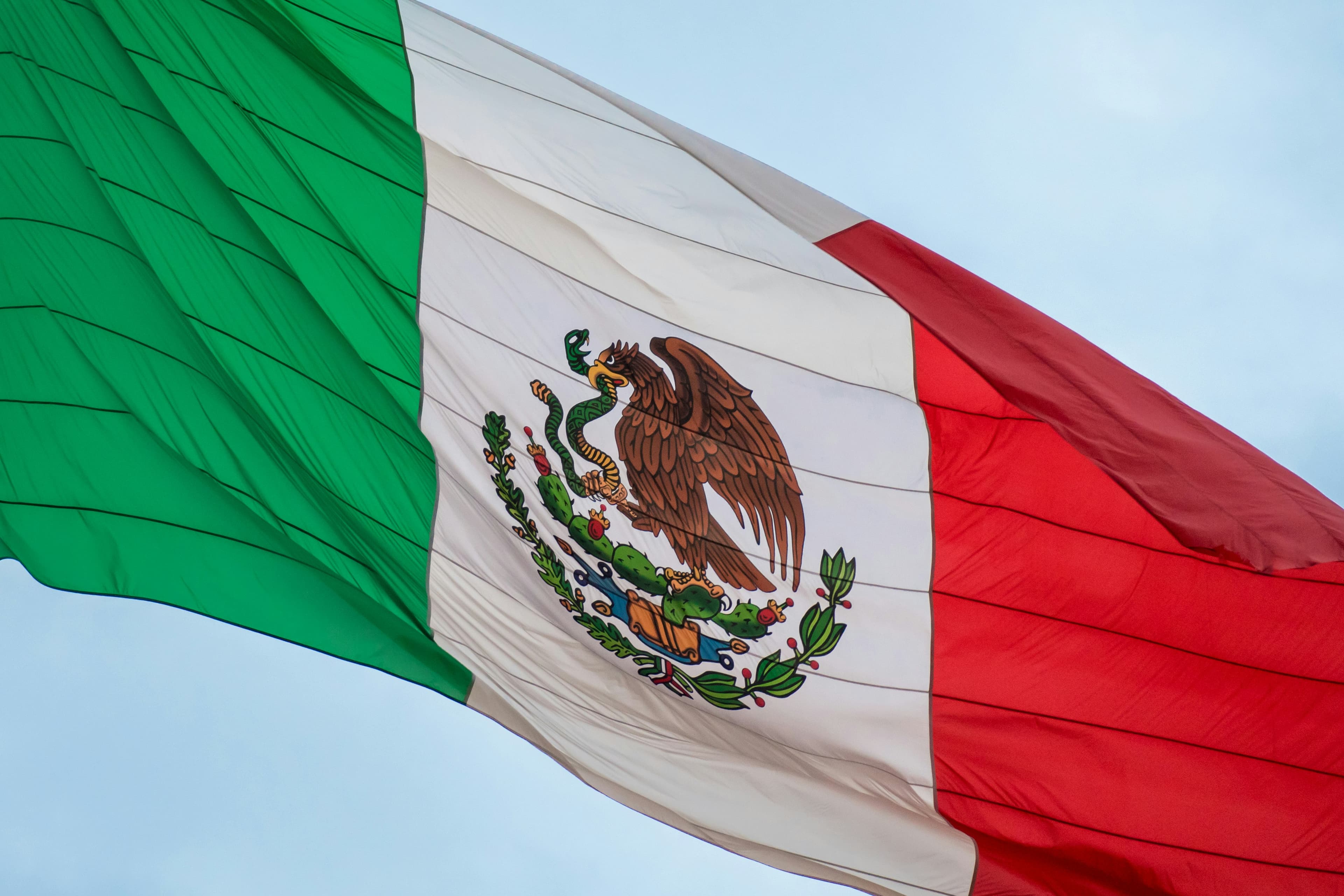
One hundred years after Mexico's Cristero Counterrevolution began, a Catholic priest is encouraging the faithful to remember the ordinary Catholics who resisted government persecution and gave their lives defending the faith.
Father Javier Olivera Ravasi, author of The Cristero Counterrevolution and the Battle for the Soul of Mexico, recounted stories of martyrs from the Cristero War during a Religious Freedom Week presentation June 23 at St. Raymond Parish in Menlo Park, California.
According to the Archdiocese of San Francisco, the Cristero Counterrevolution began in 1926 after Mexican President Plutarco Elías Calles intensified anti-Catholic measures that closed convents and monasteries, restricted the ministry of priests, and limited public expressions of the Catholic faith. Mexico's bishops responded by suspending the public celebration of the sacraments on Aug. 1, 1926.
According to the Catholic Textbook Project, Catholics initially responded to the anti-Catholic measures with economic boycotts and other peaceful protests. When those efforts failed to convince the government to lift its restrictions on the Church, many Catholics took up arms, forming what became the Cristero movement, where the faithful organized to defend the Church under the rallying cry, "¡Viva Cristo Rey!" or "Long live Christ the King!” After three years of fighting that claimed thousands of lives, the Mexican bishops reached an agreement with the government, bringing the conflict to an end. The public celebration of the sacraments resumed in 1929 after the three-year suspension.
Father Ravasi said at least 25,000 people were killed during the three-year conflict, with another 50,000 Cristeros later executed by the government in the decades that followed.
"As Catholics," Father Ravasi said in his presentation, "we need to know this history of the Church," noting that the Cristero War is rarely taught in Mexico's schools and is seldom mentioned in American history classes.
The presentation held personal significance for Saul Perez, who organized the event and whose great-grandmother lived through the Counterrevolution in Unión de Tula, Jalisco, Mexico.
"As a young girl," Perez said, "living on her family's ranch, they had to hide her and their religious items when Mexican military forces would pass through the area, as Catholic communities faced persecution and violence during that time."
Perez said the history is especially meaningful because the parish priest who served his great-grandmother's community during that period was Saint Rodrigo Aguilar Alemán, who was martyred during the Cristero War and canonized by Pope St. John Paul II in 2000.
According to the archdiocese, soldiers ordered St. Rodrigo three times to renounce his faith before hanging him Oct. 28, 1927. Each time, he responded, "Christ the King and Saint Mary of Guadalupe!”

Comments