What to expect from Pope Leo XIV's first encyclical
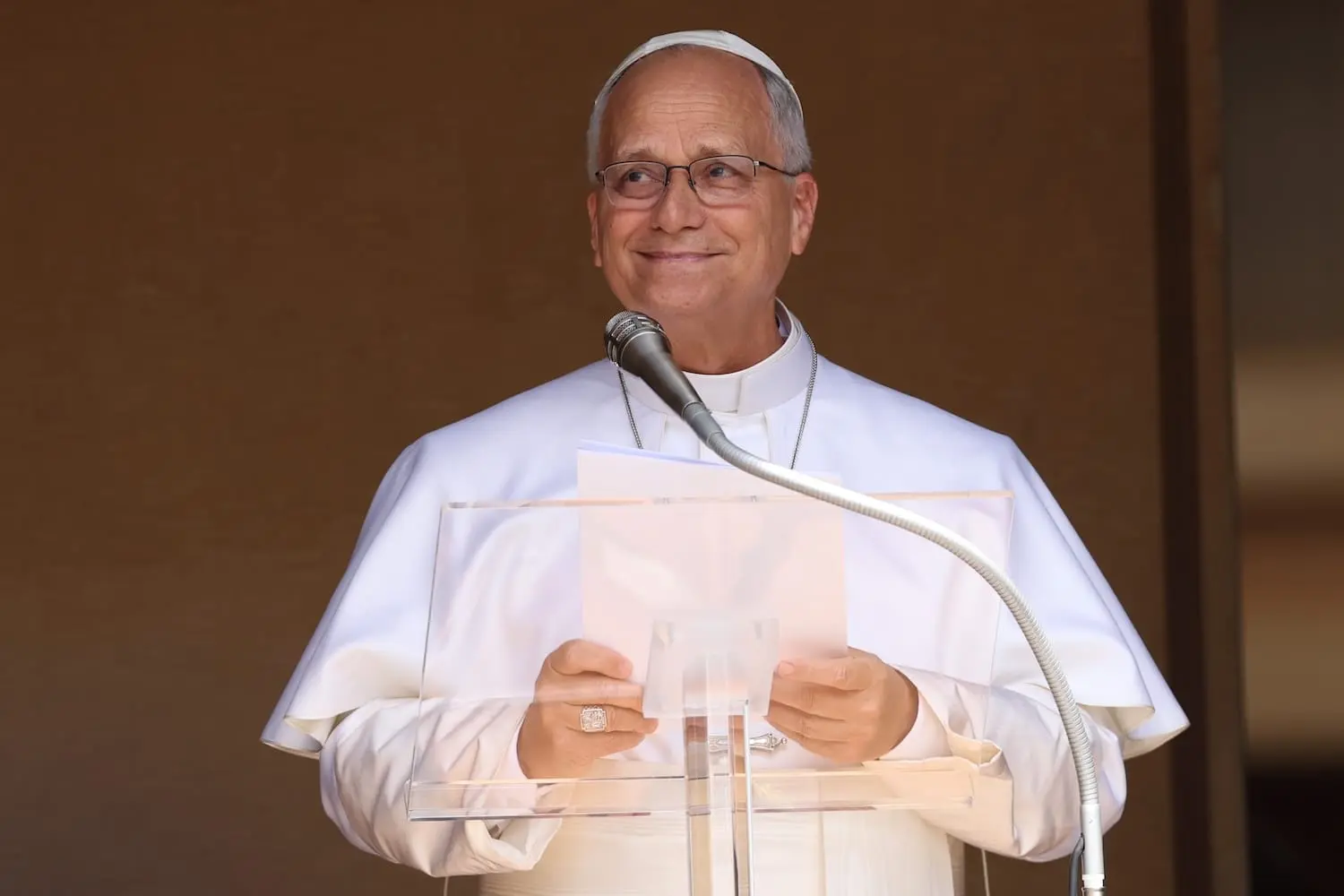
The Vatican is set to formally present on May 25 Pope Leo XIV’s first encyclical, an extensive document expected to outline the Catholic Church’s response to artificial intelligence (AI), labor disruption, and human dignity.
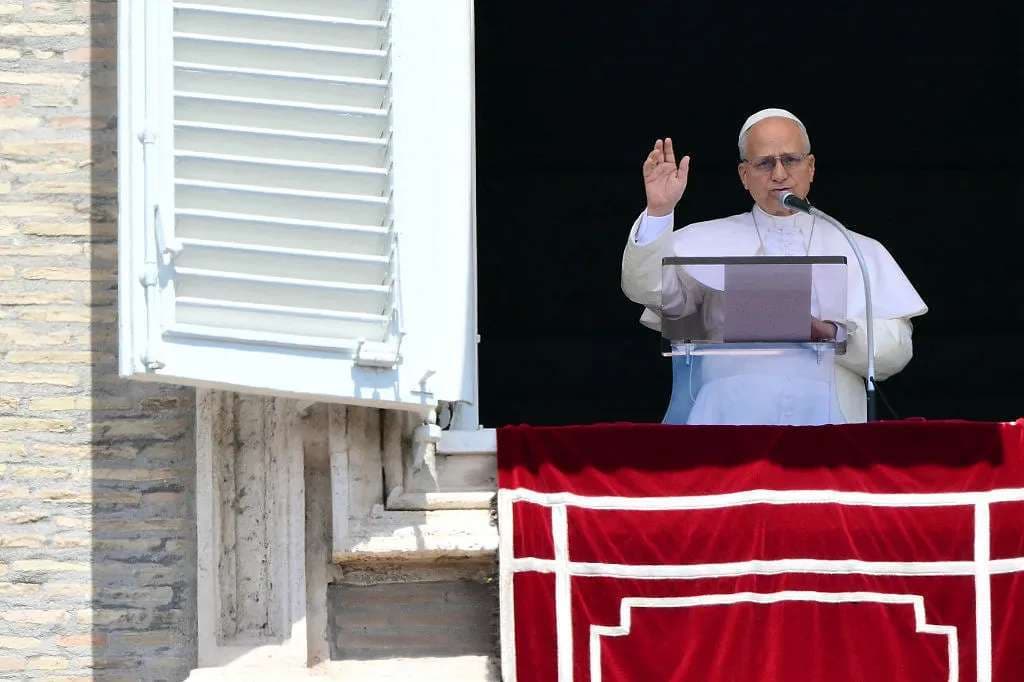
The Vatican is set to formally present on May 25 Pope Leo XIV’s first encyclical, an extensive document expected to outline the Catholic Church’s response to artificial intelligence (AI), labor disruption, and human dignity as well as the moral responsibilities of those who build and deploy technology at scale.
An encyclical is one of the highest forms of papal teaching, a formal letter from the Pope to the global Church on a matter of faith, morals, or social concern. Titled Magnifica Humanitas, the Pontiff’s first encyclical was signed May 15 on the 135th anniversary of Pope Leo XIII’s Rerum Novarum, the landmark 1891 encyclical on labor and workers’ rights during the Industrial Revolution.
Why this encyclical is different
Pope Leo has signaled from the first days of his pontificate that AI would define his papacy in the way labor questions defined Pope Leo XIII's.
On his second full day as Pope, he told the College of Cardinals, "In our own day, the Church offers to everyone the treasury of her social teaching in response to another industrial revolution and to developments in the field of artificial intelligence that pose new challenges for the defense of human dignity, justice and labor."
He chose the name Leo deliberately, invoking Rerum Novarum, the landmark 1891 encyclical that addressed the upheaval of the industrial revolution and became the foundation of modern Catholic Social Teaching (CST).
Pope Leo is uniquely prepared for this moment as a former mathematics professor and canon lawyer. Time magazine named him one of the world's most influential figures on AI in 2025. He may verbalize for techno-optimists the human concerns about AI shared by ordinary people and communities globally, both in and outside of the faith.
What to expect
Catholics can draw on the Church and Pope Leo's extensive public record on AI to anticipate key messages.
Pope Leo has stated repeatedly that AI must function as "a tool for the good of human beings" and that "authentic wisdom has more to do with recognizing the true meaning of life than with the availability of data." The encyclical will make these convictions magisterial, binding them to the Church's formal teaching authority. Antiqua et Nova, the Vatican's January 2025 doctrinal note, laid the theological groundwork: Every person is created in imago Dei, a dignity from which no algorithm can add or detract.
Pope Leo has returned consistently to several specific concerns: the rights of children in a digital world, the displacement of workers through automation, the concentration of technological wealth among a powerful few, and the dangers of autonomous weapons systems that remove human moral agency from decisions of life and death. The U.S. bishops addressed several of these directly in a June 2025 letter to Congress, urging that AI policy be governed by an ethical framework rooted in human dignity and the common good.
Many in the Catholic AI and investing community hope the Pontiff will speak directly to the responsibility of builders and investors, those who write the code, fund the systems, and architect the infrastructure shaping human life. Whether the encyclical addresses the specific moral obligations of Catholic capital in the AI economy remains to be seen, but it is the natural extension of the CST principle of participation: Every person has the right not only to benefit from economic life but to shape it.
What Catholic Social Teaching already says
Catholics preparing for the encyclical need not wait for Monday to learn about the Church’s teaching on technology, as the Church has already offered substantial guidance. Antiqua et Nova insists that the human person "transcends the material world through the soul" and possesses capacities for love, communion, and moral responsibility that no machine can replicate.
Maryland's Catholic bishops offered one of the most pastorally direct statements on AI in their Pentecost 2025 letter, "The Face of Christ in a Digital Age."
Signed by Baltimore Archbishop William Lori, Cardinal Robert McElroy of Washington, and six other bishops, the letter asked a question pertinent to every Catholic: “Will we allow technology to form us in its image, or will we shape it according to the Gospel?”
Ways Catholics can embrace this moment
The encyclical's formal release gives Catholics a rare gift: ways to reflect, connect, and create with our native human goodness, especially in our home, our vote, and our decisions.
In the home, Catholic families can discuss together what uses of technology support their human relationships, use AI this week to encourage a loved one in a challenging time, or commit as a family to one act of service that AI helped plan but is carried out entirely in person.
In financial decisions, Catholics might ask one question about their investments: Do the companies in my portfolio conflict with the policies I vote for and my faith? Catholic investors are increasingly equipped to answer this challenge, with new tools and faith-aligned funds built specifically for this purpose.
In civic life, Catholics can learn where their elected representatives stand on AI policies that impact our communities. The encyclical will offer a values framework to help. The GUARD Act, which addresses child protection from AI chatbots, is one example of legislation that Catholics can engage with using common-sense human values from CST.
Andrew DeBerry is a co-founder of the Catholic Digital Commons Foundation, president of Arimathea Investing, a board member of SENT Ventures, a lieutenant colonel in the U.S. Air Force Reserve, and former head of Responsible AI Product Business at Meta.

.jpg&w=3840&q=75)

Comments