Pope Leo’s first encyclical, set for release May 25, to focus on AI and humanity
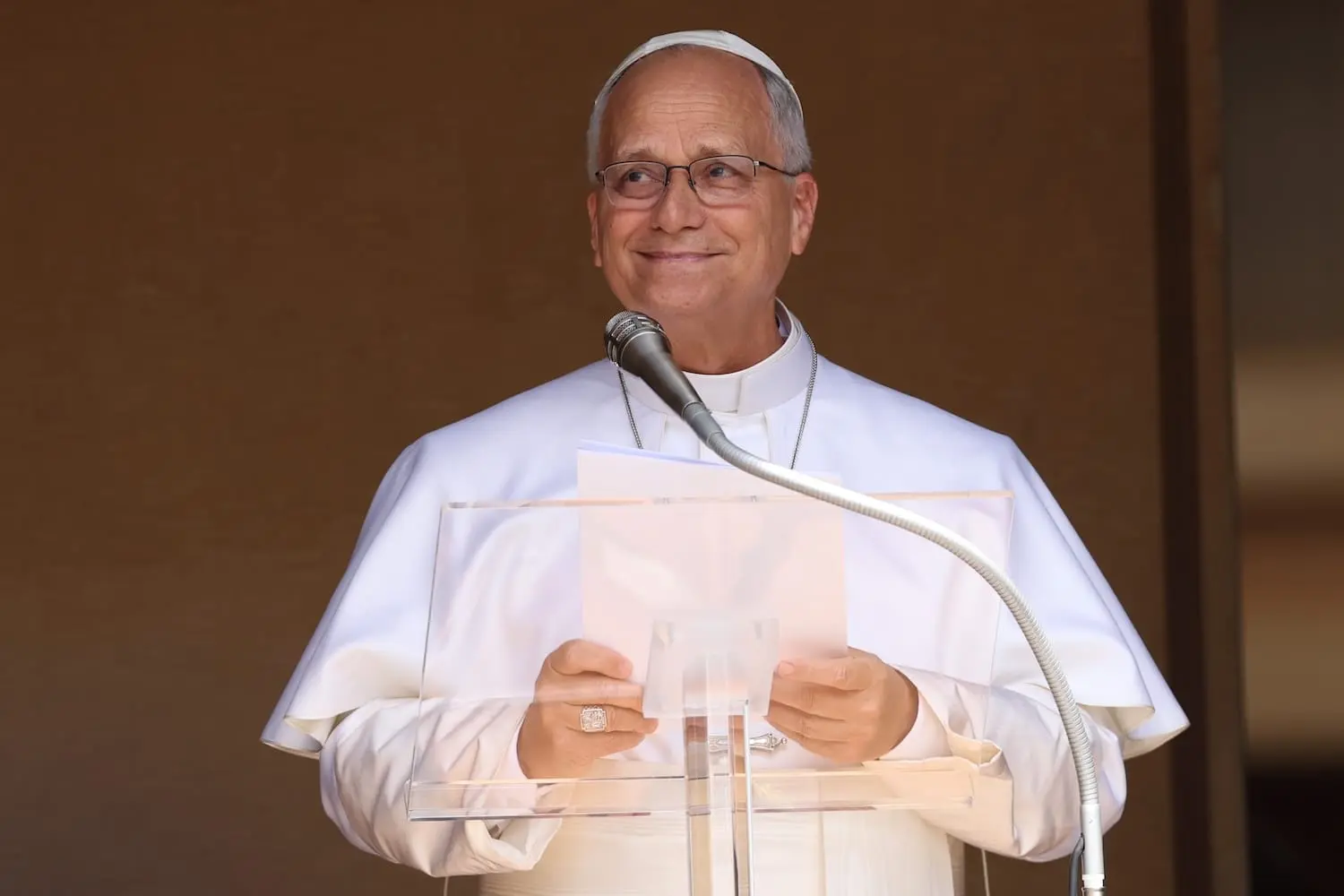
Pope Leo XIV’s first encyclical, which will focus “on preserving the human person in the age of artificial intelligence,” will be published May 25, the Vatican announced this week.

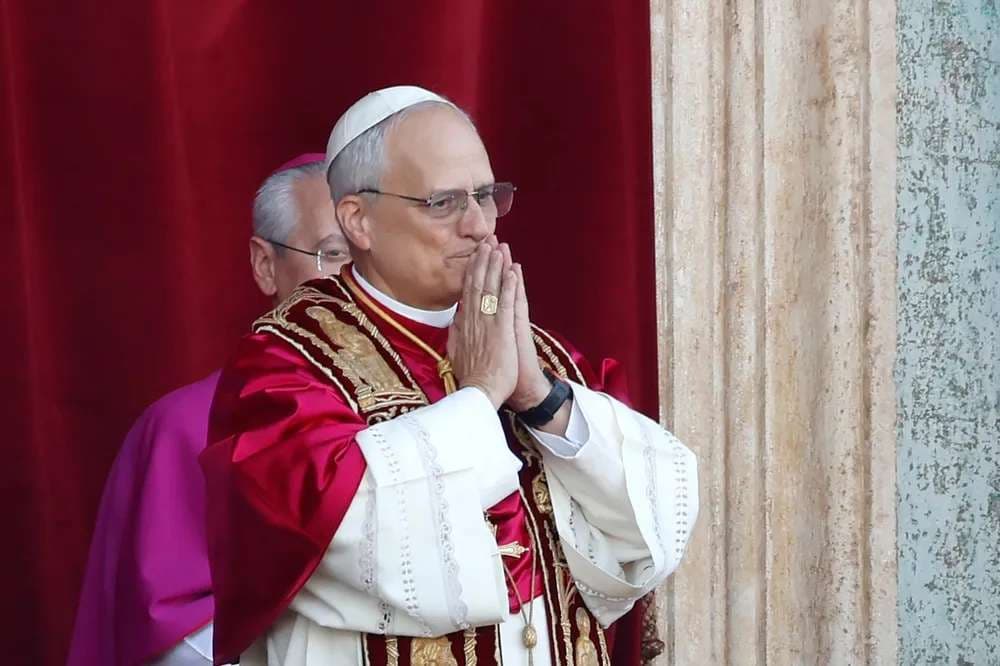
Pope Leo XIV’s first encyclical, which will focus “on preserving the human person in the age of artificial intelligence,” will be published May 25, the Vatican announced this week.
The encyclical, titled Magnifica humanitas (Latin for “magnificent humanity”), was signed May 15, the 135th anniversary of the publication of Pope Leo XIII’s Rerum novarum, according to a May 18 Vatican News report. Published in 1891 during the Industrial Revolution, Rerum novarum addressed labor, workers’ rights, and the social upheaval caused by rapid technological change.
The Vatican is also hosting a presentation of Magnifica humanitas on May 25 at Synod Hall, and Pope Leo is expected to attend. According to Vatican News, the event will feature several speakers, including Christopher Olah, co-founder and head of research on the interpretability of AI at Anthropic, an AI safety and research company based in San Francisco.
Other speakers include Cardinal Victor Fernández, prefect of the Vatican Dicastery for the Doctrine of the Faith; Jesuit Cardinal Michael Czerny, prefect of the dicastery for promoting integral human development; Anna Rowlands, a theologian and professor at the United Kingdom-based Durham University; and Leocadie Lushombo, a professor of political theology and Catholic social thought at the Jesuit School of Theology at Santa Clara University in California.
Cardinal Pietro Parolin, Vatican secretary of state, will give closing remarks before Pope Leo closes with an address and blessing.
In a May 18 post on X, Olah welcomed the Catholic Church’s involvement in the global AI debate.
“The questions posed by AI are bigger than the AI community,” he wrote. “We urgently need the world – religions, civil society, academics, governments – to participate in creating a positive outcome.”
Anthropic has previously sought Catholic input on questions regarding AI ethics. According to a March 31 report from Observer, Olah reached out to Father Brendan McGuire, a Los Altos, California–based priest with previous experience in the tech industry, for help drafting the company’s AI ethics code. Father McGuire partnered with Santa Clara University and the Vatican Dicastery for Culture and Education to help establish the Institute for Technology, Ethics, and Culture, which published a handbook on ethics in the era of disruptive technology in 2023, according to Observer.
“They basically were asking for direct help from the Vatican to convene and help the industry, because the industry was going so fast down this road,” Father McGuire told the outlet.
The forthcoming encyclical has been long anticipated as workers, theologians, and others grapple with the rapid evolution of AI. The issue has been a concern of Pope Leo’s since the earliest days of his pontificate.
Two days after his election, the Pontiff explained that he chose his papal name with his predecessor Pope Leo XIII in mind.
“There are different reasons for this, but mainly because Pope Leo XIII in his historic Encyclical Rerum Novarum addressed the social question in the context of the first great industrial revolution,” he said at the time.
He drew parallels between the challenges facing the Church today and those confronting Pope Leo XIII during the Industrial Revolution. He specifically pointed to AI as part of “another industrial revolution” that poses new challenges for human dignity, justice, and labor.
>> After the white smoke: A look back at Pope Leo’s first year <<
Days after signing the encyclical, Pope Leo returned to the subject during his May 17 Regina Caeli address about AI in light of World Communications Day.
“In this era of artificial intelligence,” he said, “I encourage everyone to commit themselves to promoting forms of communication that always respect the truth of the human person, on which every technological innovation should be focused.”





Comments