‘A thirst and hunger for God’: NYT reports record numbers of conversions to Catholicism across US
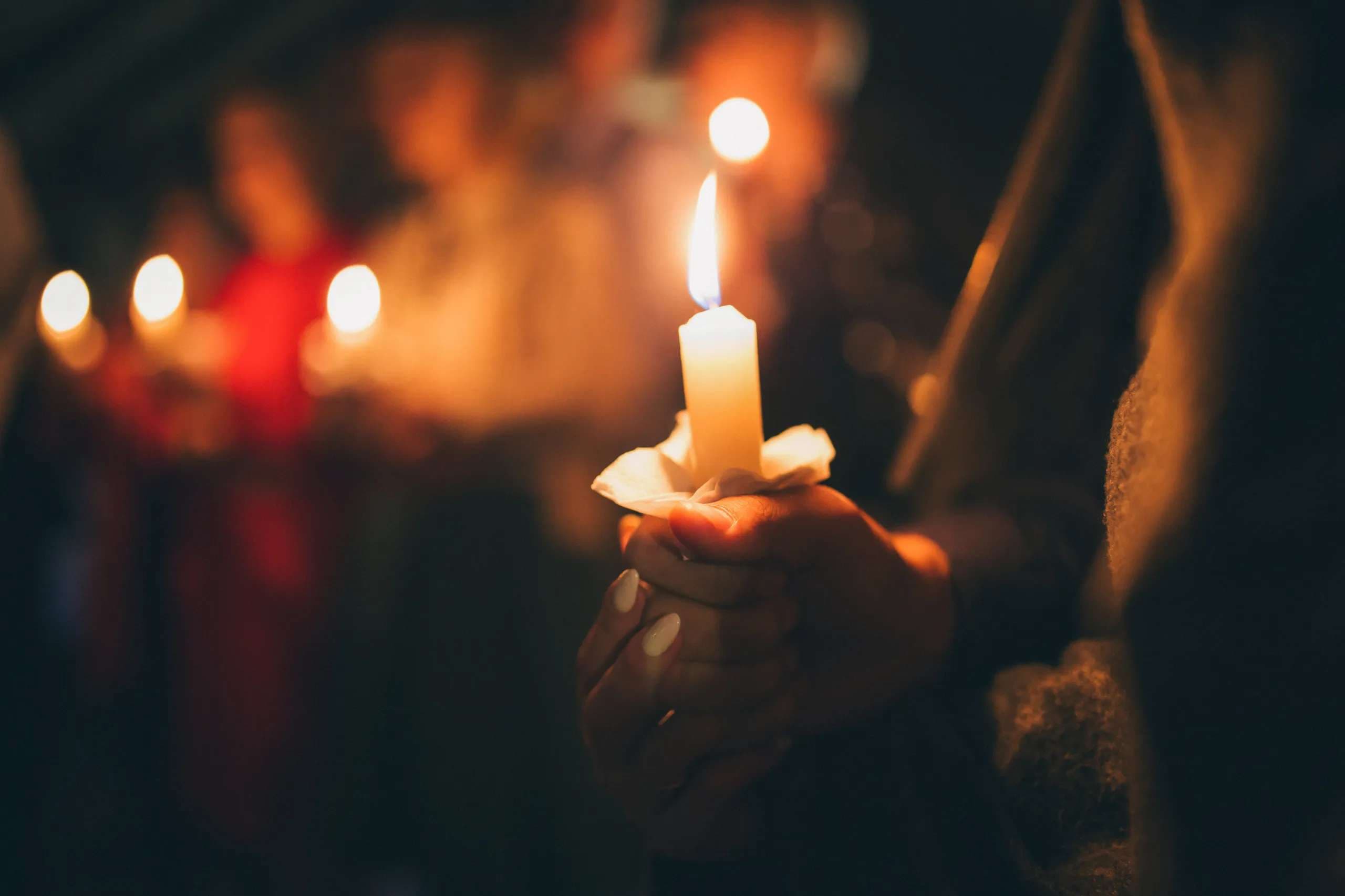
The New York Times reported March 26 that Catholic churches across the U.S. are seeing a huge surge in conversions as catechumens prepare to enter the Church on Easter Vigil.

The New York Times reported March 26 that Catholic churches across the U.S. are seeing a huge surge in conversions as catechumens prepare to enter the Church on Easter Vigil.
Reporter Elizabeth Dias contacted 24 dioceses, from large urban ones, such as Los Angeles to small ones, such as Allentown, Pennsylvania, and found that each saw “a significant jump,” the Times report states.
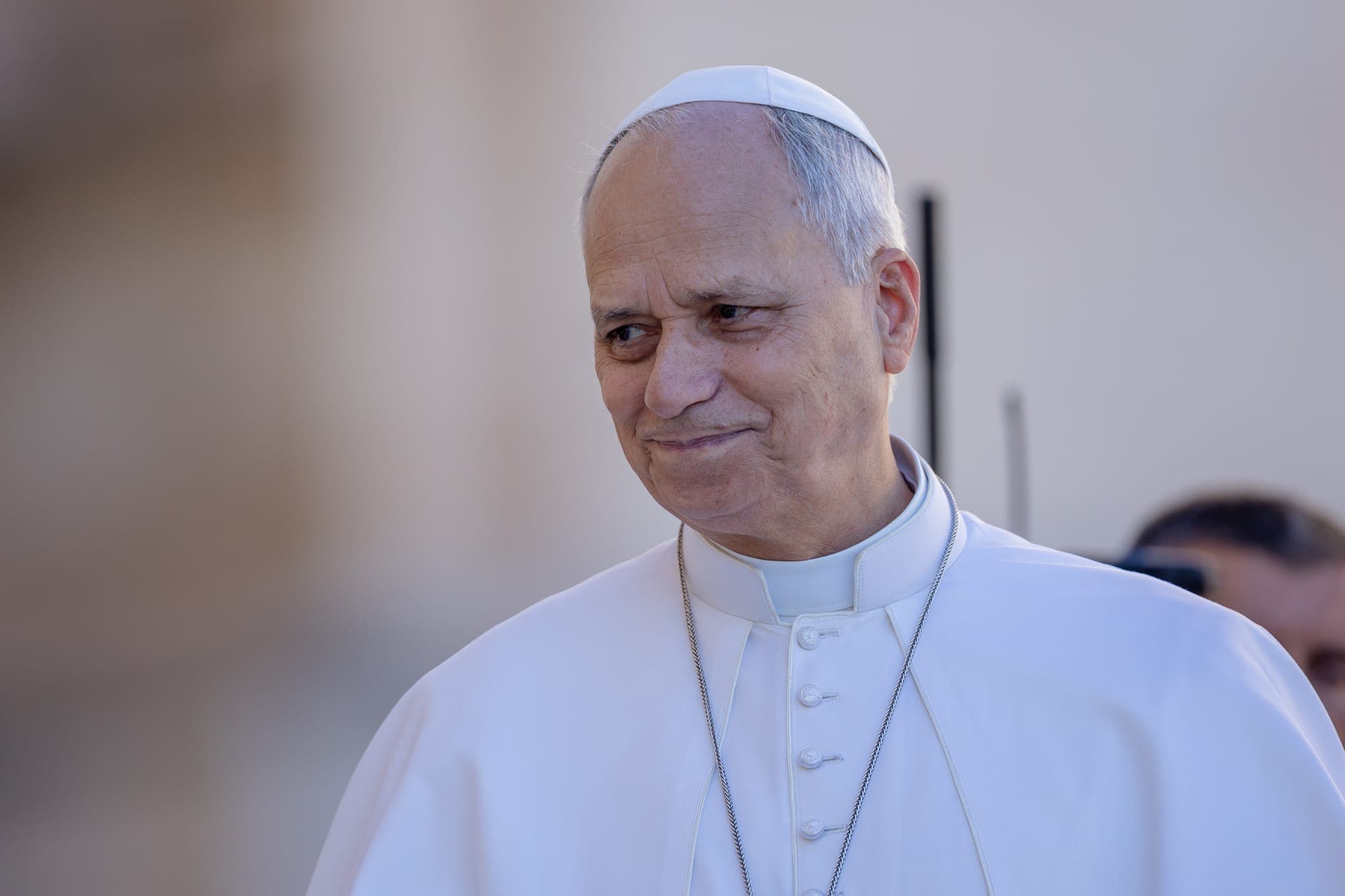
Cardinal Robert McElroy, archbishop of Washington, said in the report that his archdiocese is welcoming 1,755 people on Easter Vigil, the highest number in over 15 years.
The Archdiocese of Detroit will receive 1,428 new Catholics into the Church, its highest number in 21 years. The Archdiocese of Galveston-Houston, Texas, will have its highest number of converts in 15 years. In the Diocese of Des Moines, the count jumped from 265 people to 400, up 51% from last year, according to the report.
>> More than 110 people at Kansas State prepare to enter the Church this Easter <<
While the conversions across the country are occurring in the first year after the election of the first American pope, respondents cited a wide range of reasons that could be motivating the conversions, including a desire for community, social and political instability, outreach to young people, and technological change, according to Dias.
Archbishop Mitchell Thomas Rozanski of St. Louis told the Times, “In our age of uncertainty, and in our age of great anxiety, is a thirst and hunger for God and stability that faith brings to people’s lives.”
He said that of the people entering the Church, the loneliest group is young adults, age 18–35.
“I think technology has isolated us from one other. I think that Covid just really magnified that isolation,” he said. “We are realizing many of the ills of our society, particularly anxiety and depression, come about from that isolation.”
A 26-year-old convert from Detroit, Sharon Kalil, shared her path to the church with NYT. She was raised Jewish and became an atheist as a young adult, but last summer she felt compelled to start visiting churches. She visited the local cathedral at a friend’s invitation and prayed that she and her husband would be able to conceive a child.
She found out she was pregnant the next day, but she later lost the baby in a miscarriage. She found comfort amid the tragedy in the Church, she told Dias: “The way the community just wrapped me in prayer, wrapped me in love, and had supported me through that difficult time really just affirmed that I was in the right place.”
Dias wrote that in some cases, online Catholic voices were more formative than local churches. One of the converts she spoke to, 19-year-old Jesse Araujo, told her that Catholic podcasters like Father Mike Schmitz drew him to the faith.
“A lot of people spend their time scrolling through TikTok — my version of that is apologetics,” he said.
After Araujo learned about the sacraments, he felt obliged to join the Church. He shared that his parents are in OCIA classes as well.
23-year-old PhD student Amen-Ra Pryor also credited online apologists for part of his formation. He was raised nonreligious but friends introduced him to nondenominational churches in his freshman year of college.
He started exploring deeper questions, like “what does it mean to live a good life,” he told Dias, and started reading ancient philosophy and theology. He also watched videos from the Thomistic Institute and Taylor Marshall, and started attending Mass at a local Catholic church.
He told Dias that he is drawn to the Church’s teaching on suffering and is appreciative of the sacrament of Confession.
“To actually be able to audibly hear, ‘Your sins are forgiven,’ is also very important,” he said.
Comments