Netanyahu pushed Trump’s decision to enter war, Reuters, conservative journalists say
A March 23 report claimed that Israeli Prime Minister Benjamin Netanyahu called President Donald Trump less than 48 hours before the first U.S.-Israeli strike on Iran, making the case for a joint operation to eliminate Iran's Supreme Leader Ayatollah Ali Khamenei.

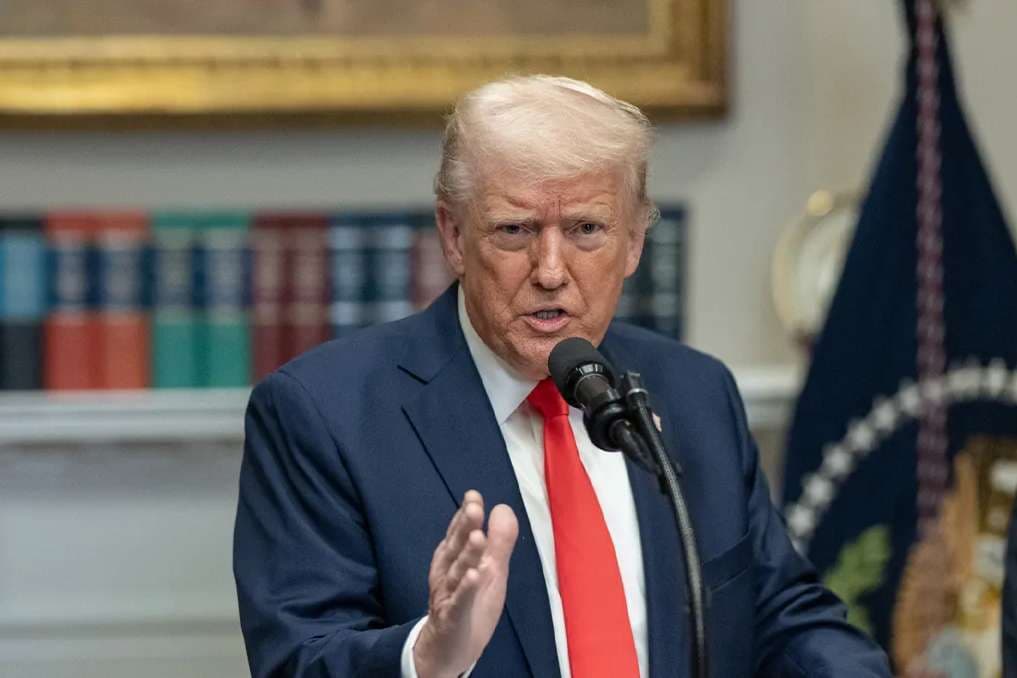
A March 23 report claimed that Israeli Prime Minister Benjamin Netanyahu called President Donald Trump less than 48 hours before the first U.S.-Israeli strike on Iran, making the case for a joint operation to eliminate Iran's Supreme Leader Ayatollah Ali Khamenei.
Three people briefed on the call described it to Reuters as a key catalyst in Trump's final decision to launch “Operation Epic Fury,” according to the Reuters report.
Trump has said publicly that the decision to strike was his alone. Netanyahu pushed back on the idea that he drove Trump's decision and dismissed it as “fake news” at a March 19 press conference.
"Does anyone really think that someone can tell President Trump what to do?" he said, according to the report. The wire service noted its reporting "does not suggest that Netanyahu forced Trump to go to war" — but that the Israeli leader played a "persuasive” role in the decision.
Corroborating reports
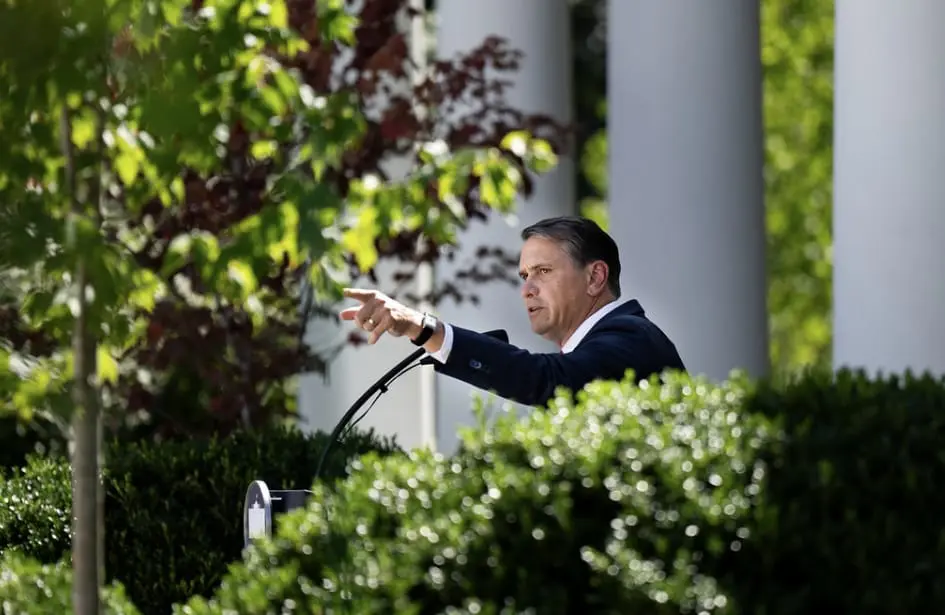
The Reuters report corroborates an analysis The Federalist's John Davidson published March 3, in which he argued that Israel had driven the U.S. into the conflict. Davidson cited Secretary of State Marco Rubio's acknowledgment that the administration believed U.S. forces would face Iranian retaliation regardless of who struck Iran first, making a joint preemptive strike the administration's preferred approach.
The Washington Examiner also reported Feb. 28 that the launch of “Operation Epic Fury” signaled Trump had moved past earlier frustrations with Netanyahu. Sources close to the White House told the outlet the joint operation had effectively "erased space" between the two leaders.
Details of the call
At the time of the call, Trump had already approved the concept of a U.S. military operation against Iran but had not settled on timing, according to the report. Intelligence had shown that Iranian Supreme Leader Ayatollah Ali Khamenei and his top lieutenants were scheduled to meet at his compound in Tehran. Updated intelligence then revealed the meeting had been moved to Saturday morning, shortening the strike window.
In his conversation with Trump, Netanyahu argued there might not be a better chance, according to Reuters. The Israeli prime minister told Trump the operation would avenge previous Iranian assassination attempts against him, including a 2024 murder-for-hire plot allegedly orchestrated by the regime. Netanyahu also argued that killing Khamenei could spark an uprising by ordinary Iranians, potentially bringing down the theocratic government that has ruled the country since the Islamic Revolution concluded in 1979.
As Zeale News previously reported, the first bombs struck the morning of Feb. 28, and Trump announced that evening that Khamenei was dead.
>> Trump confirms Iran supreme leader is dead <<
"Iran tried to kill President Trump, and President Trump got the last laugh," Defense Secretary Pete Hegseth said, according to Reuters.




.jpg&w=3840&q=75)
Comments