Abortion ballot measures put pressure on Republicans ahead of midterms
Voters in at least two battleground states will face direct questions on abortion in November, putting new pressure on Republican candidates to take clearer positions on an issue many GOP campaigns have tried to subordinate to immigration, election integrity, deportations, government spending, and President Donald Trump’s agenda, according to a June 21 Politico report.

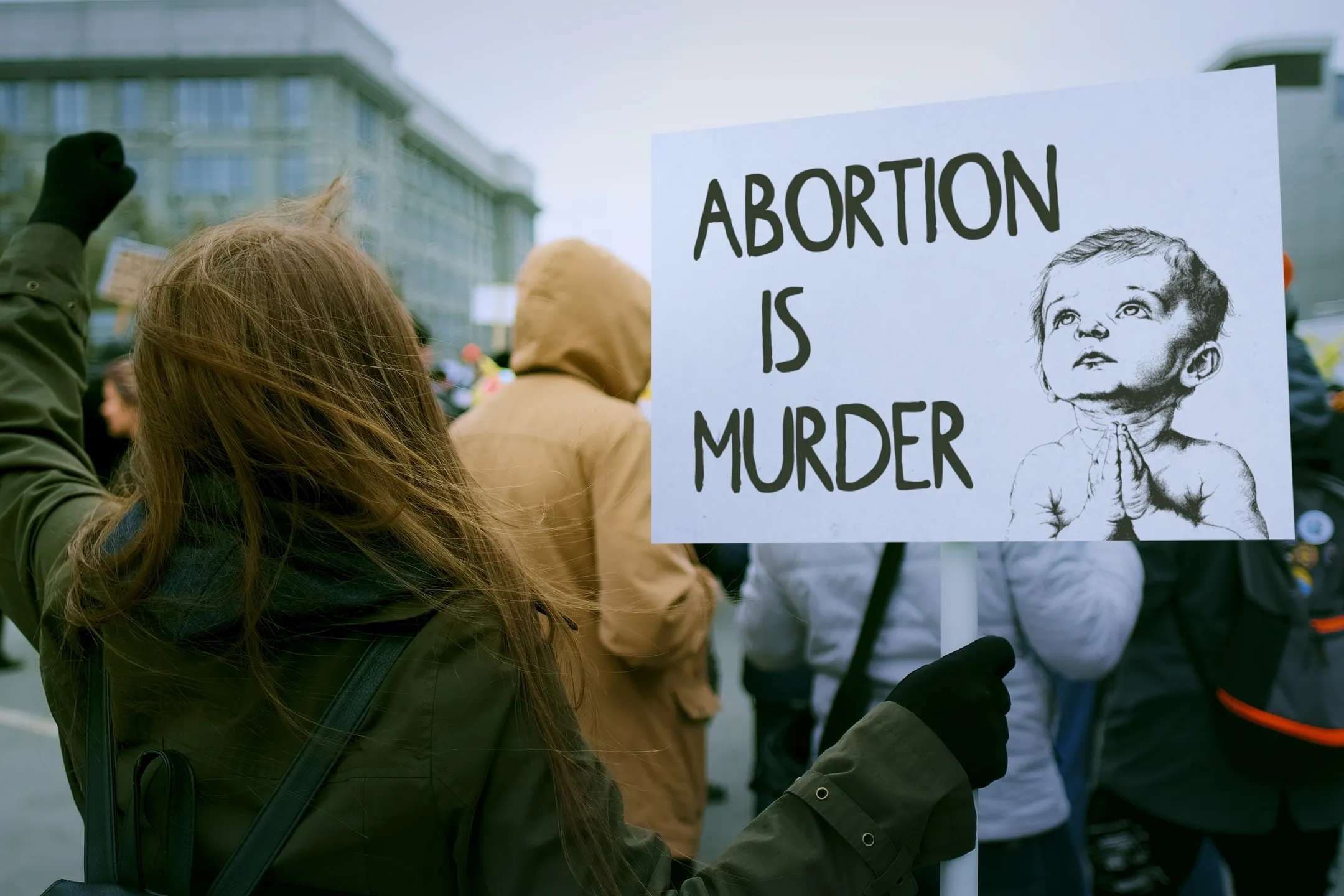
Voters in at least two battleground states will face direct questions on abortion in November, putting new pressure on Republican candidates to take clearer positions on an issue many GOP campaigns have tried to subordinate to immigration, election integrity, deportations, government spending, and President Donald Trump’s agenda, according to a June 21 Politico report.
In Virginia and Nevada, voters will decide whether to amend their states’ constitutions to enshrine pro-abortion measures. Idaho may also vote on an abortion measure that would allow abortion up to fetal viability, generally considered to be around 24 weeks of pregnancy, and after viability in cases of medical emergency or fatal fetal diagnosis.
Missouri voters, meanwhile, are expected to consider a pro-life measure aimed at reversing a 2024 amendment that established a constitutional right to abortion in the state. The 2026 measure, Amendment 3, would repeal that right and restore stronger pro-life protections.
The measures are drawing national attention because pro-abortion groups see the ballot initiatives as a way to drive turnout among younger voters and independents while putting Republicans on defense in competitive races, according to Politico.
The outlet reported that Democratic strategists in Virginia say the referendum could help flip GOP-held House seats, including districts represented by Reps. Jen Kiggans, Rob Wittman, and John McGuire, by highlighting incumbents’ records on pro-life laws.
Republicans, for their part, have largely focused their campaign messaging on immigration, government spending, election integrity, and other priorities, Politico reported. But pro-life groups argue Republicans risk repeating past mistakes if they try to avoid the issue.
Susan B. Anthony Pro-Life America has warned that silence on abortion could dampen enthusiasm among pro-life voters. The group announced plans in November 2025 to spend at least $80 million to support pro-life candidates and reach millions of voters across key House and Senate battlegrounds.
“Republicans simply cannot win without their pro-life base, especially in midterm elections when overall turnout drops,” SBA Pro-Life America President Marjorie Dannenfelser said when announcing the group’s 2026 political program. “Pro-life voters are the heart and soul of the Republican Party.”
SBA Pro-Life America has repeatedly urged GOP candidates to answer questions about pro-life policy directly and has pushed back on the Trump administration’s strategy of leaving abortion policy largely to the states. Chemical abortions now account for roughly 3 in 5 abortions nationwide, and many pro-life groups argue that the administration has done little to restrict access to abortion pills, as Zeale News previously reported. Dannenfelser’s group reportedly plans to spend money only on candidates who commit to pro-life action at the national level.
>> Is Trump losing the pro-life movement over abortion pills? <<
Other pro-life leaders, including figures at the American Academy of Pro-Life Obstetricians and Gynecologists, have also called on Republicans to speak more clearly about abortion and defend pro-life laws.
“My message to the legislators would be: burying your head in the sand on this issue does not make it go away,” Christina Francis, the CEO of the American Academy of Pro-Life Obstetricians and Gynecologists, said, according to Politico. “It’s there, so you need to be speaking clearly about this.”
“Many lawmakers erroneously see being pro-life as a losing issue,” she added. “What they need is courage.”
Meanwhile, pro-abortion groups are preparing their own major investments. According to Politico, Reproductive Freedom for All plans to spend $23.5 million this year — the most it has ever invested in midterm elections— targeting independents, soft Republicans, and split-ticket voters in states including Arizona, Nevada, Michigan, Georgia, and California.
Abortion groups also argue that the ballot measures serve another purpose: forcing Republican candidates to answer questions about abortion, including whether they support state limits, federal action, or restrictions on abortion pills. Politico reported that those questions have “proven fatal for some Republicans” in recent election cycles, particularly candidates who have tried to distance themselves from their pro-life stances.
For Republicans, the midterm fight may come down to whether candidates can appeal to voters on border security, immigration enforcement, and fraud crackdowns while also maintaining support from pro-life voters who want the party to speak more forcefully on abortion.






Comments